Tag

Soil

All articles tagged with #soil

Global map uncovers a 62 quadrillion-mile underground fungal web
science1 month ago

Global map uncovers a 62 quadrillion-mile underground fungal web

Scientists mapped underground fungal networks and found they total about 62 quadrillion miles in length within the top 15 cm of soil; the new interactive map shows hotspots in grasslands and wetlands and aims to protect fungi as part of conservation efforts, noting that dense networks support plant nutrition and carbon storage while intensive agriculture reduces hyphae density; more than 8,000 fungal species are known, but most have not been assessed for endangerment.

Global map shows subterranean fungal networks stretching 110 quadrillion kilometers
science1 month ago

Global map shows subterranean fungal networks stretching 110 quadrillion kilometers

Scientists mapped arbuscular mycorrhizal fungi from over 16,000 soil cores to produce the first global network density map, estimating that the networks could reach about 110 quadrillion kilometers end-to-end—roughly 750 million times the distance from the Earth to the Sun. These networks supply nutrients and water to plants and help store carbon, but densities are higher in wild ecosystems and lower in croplands due to farming practices like tilling and fertilizer use. Preserving and restoring underground fungal networks could boost nutrient cycling, reduce fertilizer needs, and enhance carbon storage, with data intended to inform policymakers and farming practices.

Soil-born antibiotic hits a novel ribosome site to tackle resistant bacteria
science1 month ago

Soil-born antibiotic hits a novel ribosome site to tackle resistant bacteria

Researchers from the U.S., Canada, and Germany identify manikomycin, a naturally produced peptide antibiotic from the soil bacterium Streptomyces rimosus, that binds a previously untargeted site on bacterial ribosomes and kills difficult strains like Escherichia coli and Klebsiella pneumoniae; while promising due to its novel mode of action, it does not affect many Gram-positive bacteria and metabolizes quickly in the body, meaning it’s not yet a drug and will require optimization before clinical use.

Sterile Dirt Hints at Life’s Metabolic Beginnings
science1 month ago

Sterile Dirt Hints at Life’s Metabolic Beginnings

A six-year study of irradiated, life-free soil shows ongoing CO2 release and oxygen consumption, plus measurable electron flow and Krebs-cycle intermediates, suggesting metal- and mineral-catalyzed, metabolism-like chemistry can occur outside living cells and may predate life; while these findings support a geology-driven view of metabolism, the possibility that residual enzymes could contribute cannot be completely ruled out.

Plastic micro-habitats in soil spark microbial battlegrounds, reshaping farm soil health
environment4 months ago

Plastic micro-habitats in soil spark microbial battlegrounds, reshaping farm soil health

A scientific review finds microplastics in agricultural soils form plastisphere microhabitats that host dense microbial networks and virus-mediated gene exchange, potentially altering soil fertility and nutrient cycling. While researchers explore virus-assisted plastic degradation, long-term field data and biosafety considerations remain uncertain, underscoring the need for multidisciplinary study to understand and manage these tiny but influential ecosystems.

Waste-to-Soil: Astronaut Waste Could Grow Crops on Mars
space-exploration4 months ago

Waste-to-Soil: Astronaut Waste Could Grow Crops on Mars

Researchers weathered lunar and Martian regolith with waste-derived effluent from NASA’s bio-regenerative life-support system (BLiSS), releasing nutrients like sulfur, calcium, and magnesium that could help convert in-situ materials into soil-like growth media for crops on the Moon or Mars—though real regolith lacks some nutrients and the approach still needs refinement.

Unraveling Why Worms Emerge During Rainfall
science1 year ago

Unraveling Why Worms Emerge During Rainfall

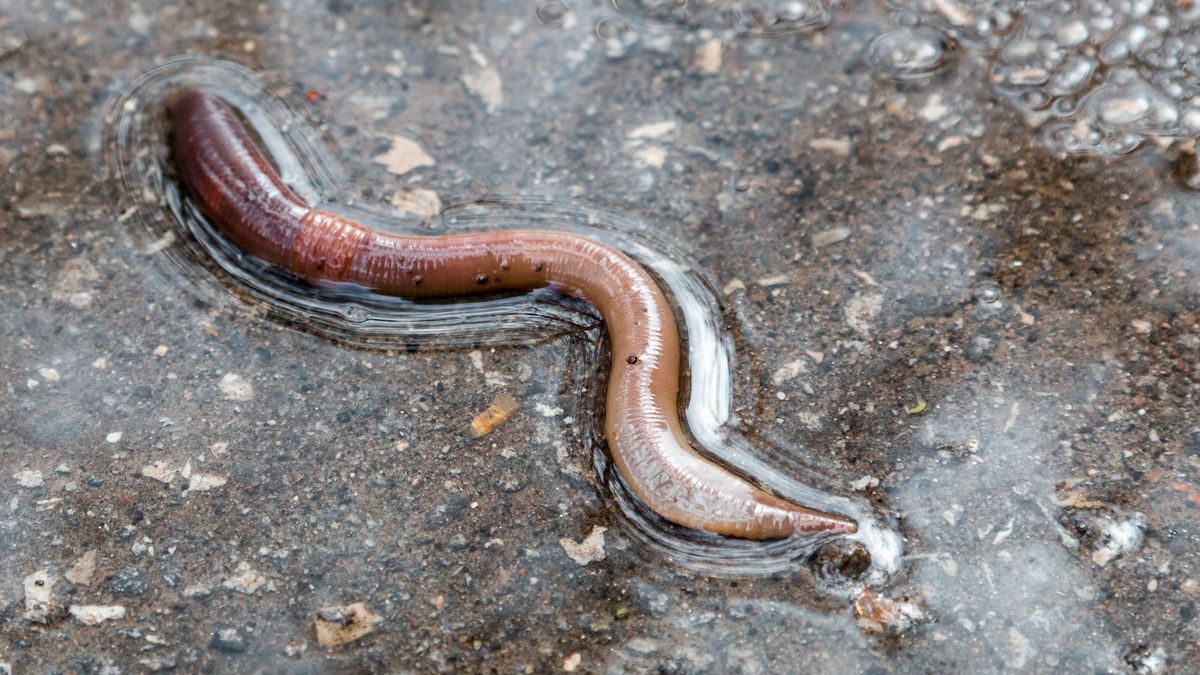
Earthworms often surface during rain, not to avoid drowning, as they can breathe through their skin in water, but possibly due to needing higher oxygen levels, mistaking rain vibrations for predators, or to move more easily on wet ground. Some species are more sensitive to low oxygen, prompting them to surface, while others may remain underground. Additionally, wet conditions may facilitate mating or migration. The phenomenon is also exploited in practices like 'worm charming,' where vibrations are used to lure worms to the surface.

"Scientists Concerned as Dormant Organisms Awaken After Millennia"
environment2 years ago

"Scientists Concerned as Dormant Organisms Awaken After Millennia"

As global temperatures rise, previously dormant bacteria in Earth's soil are becoming active, potentially impacting carbon stocks and contributing to global warming. A new study by researchers at the University of Vienna reveals that the activation of dormant bacteria, rather than accelerated growth of existing microbes, is the primary mechanism behind the release of carbon into the atmosphere. The findings highlight the complex relationship between microbial activity, soil temperature, and the global carbon cycle, providing valuable insights for climate modeling and understanding the impact of warming temperatures on Earth's microbiome.

"Global Crop Yields at Risk Due to Potassium Depletion in Soil"
agriculture-and-environment2 years ago

"Global Crop Yields at Risk Due to Potassium Depletion in Soil"

A study published in Nature Food reveals that potassium deficiency in agricultural soils poses a significant threat to global food security, with more potassium being removed from soils than added in many regions. This depletion can inhibit plant growth and reduce crop yields, affecting food supplies for millions of people. The researchers recommend policies and practices to address this issue, including global assessment of potassium stocks, monitoring and responding to price fluctuations, sustainable application practices, and intergovernmental cooperation to develop global policy coordination.

"Conserved Microbial Network Unveils Clues for Forensic Science"
science2 years ago

"Conserved Microbial Network Unveils Clues for Forensic Science"

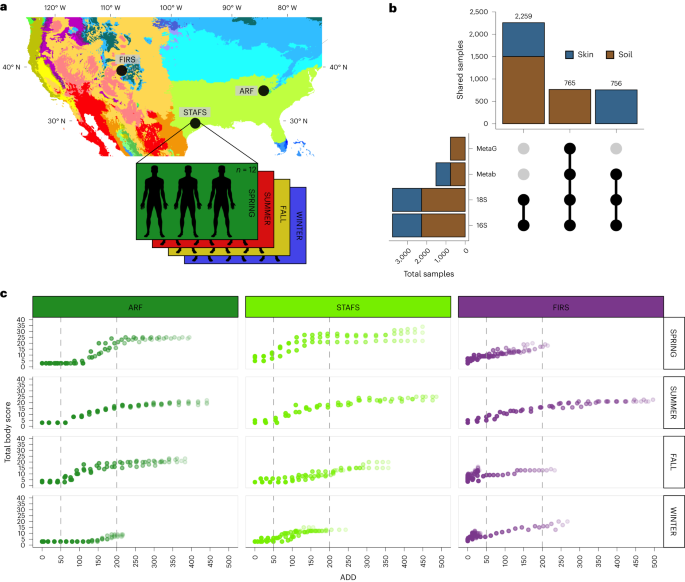
Researchers have discovered a universal network of microbes that respond to cadaver decomposition, despite variations in climate, location, and season. The study used multi-omic data to reveal that a conserved interdomain soil microbial decomposer network assembles in response to mammalian remains, with evidence of increased metabolic efficiencies to process lipid- and protein-rich compounds. Key members of the microbial decomposer network are associated with various mammalian carrion, suggesting that they are not human-specific. The findings have implications for forensic science, agriculture, sustainability, and the human death care industry.

"Uncovering the Ancient Amazonians' Mysterious 'Dark Earth' for Humanity's Salvation"
science2 years ago

"Uncovering the Ancient Amazonians' Mysterious 'Dark Earth' for Humanity's Salvation"

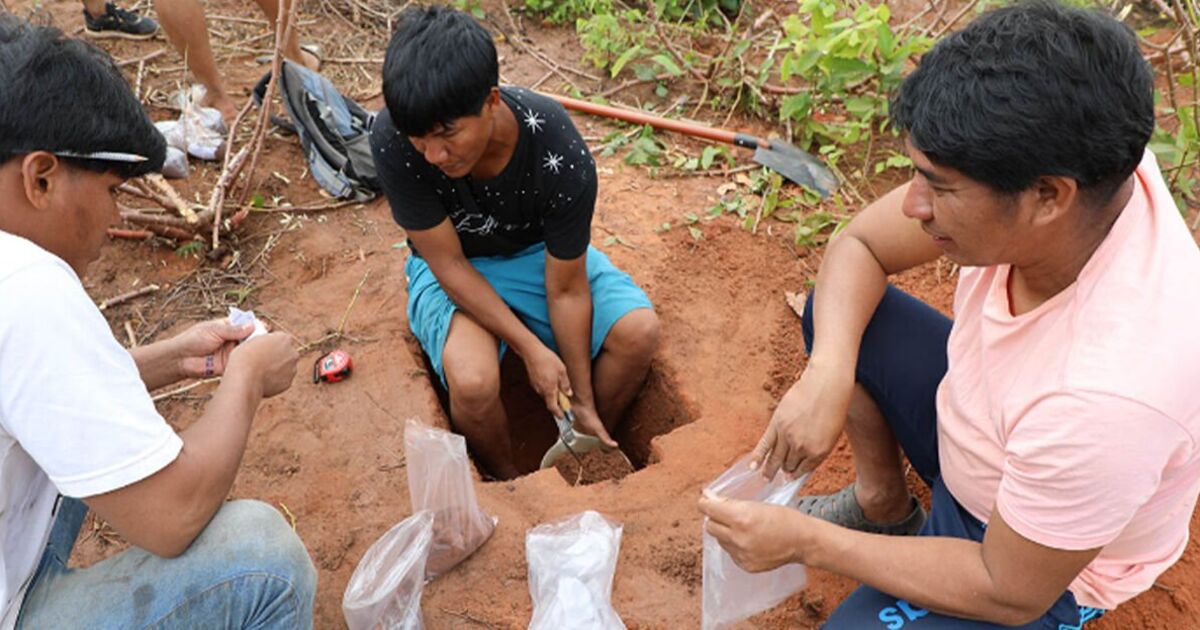
Ancient Amazonians are believed to have intentionally created extremely fertile soil known as terra preta, or 'Amazonian dark earth', by enriching it with food scraps, charcoal, and waste over hundreds to thousands of years. This discovery could change our understanding of the region's history and the potential of organic matter vital to human well-being. The unintentional carbon sequestration in this soil has scientists excited about its potential to mitigate the negative effects of climate change, and the study suggests that modern sustainable agriculture and climate change mitigation efforts could draw on traditional methods practiced by Indigenous Amazonians.

"Farmland's Rock Solid Solution: Harnessing Rocks to Combat Global Warming"
environment2 years ago

"Farmland's Rock Solid Solution: Harnessing Rocks to Combat Global Warming"

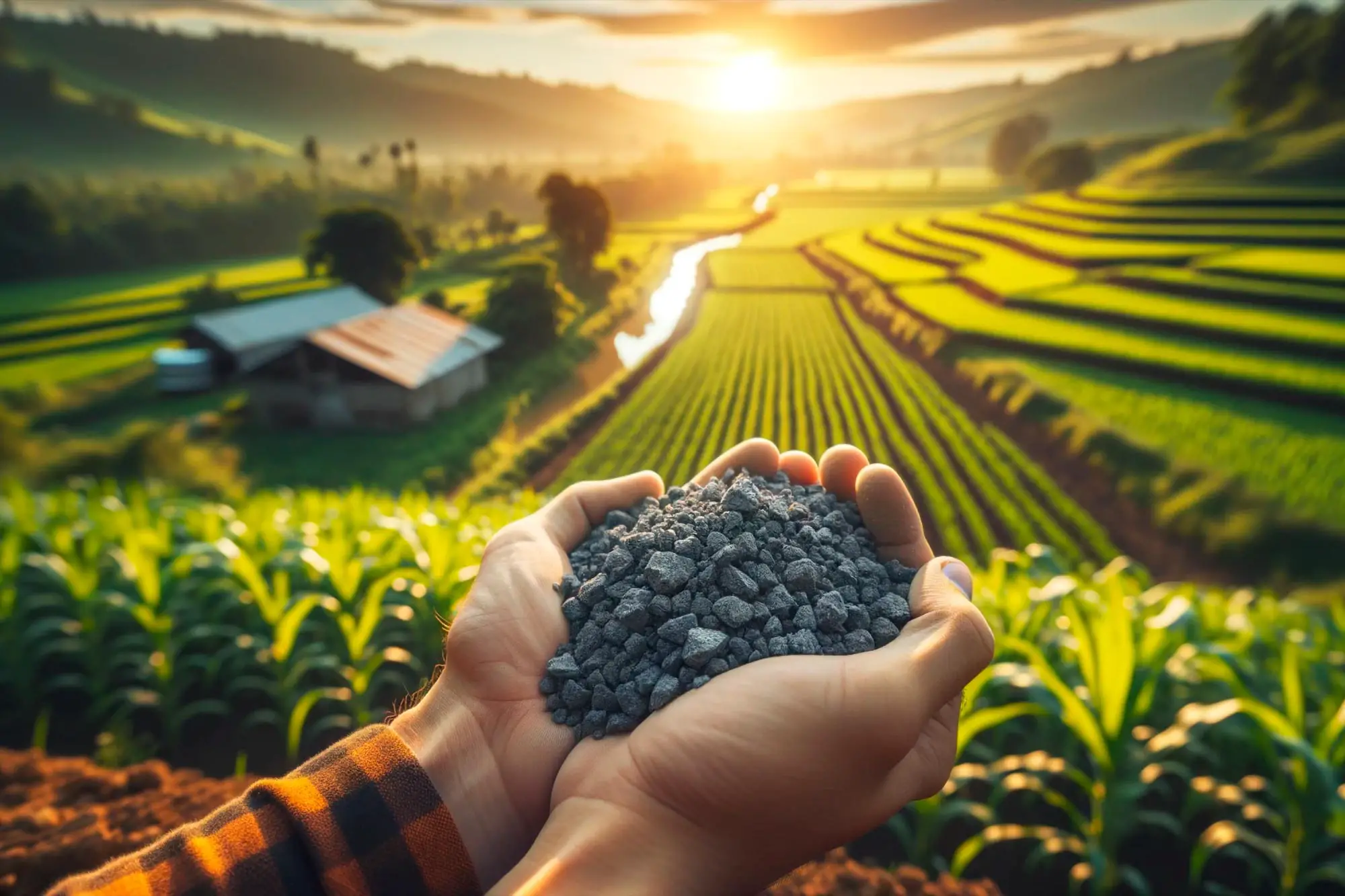
Scientists from UC Davis and Cornell University have conducted a field study demonstrating that applying crushed volcanic rock to croplands can store carbon in soil, even in dry climates like California. This "enhanced rock weathering" technique could potentially capture up to 215 billion tons of CO2 over 75 years if implemented globally. The study found that the addition of crushed rock stored carbon dioxide in the soil, even during an extreme drought. This research suggests that drylands, which cover a significant portion of Earth's land surface and are expanding due to climate change, could play a crucial role in carbon storage efforts.

The Circle of Life: Your Necrobiome's Role in Recycling
science2 years ago

The Circle of Life: Your Necrobiome's Role in Recycling

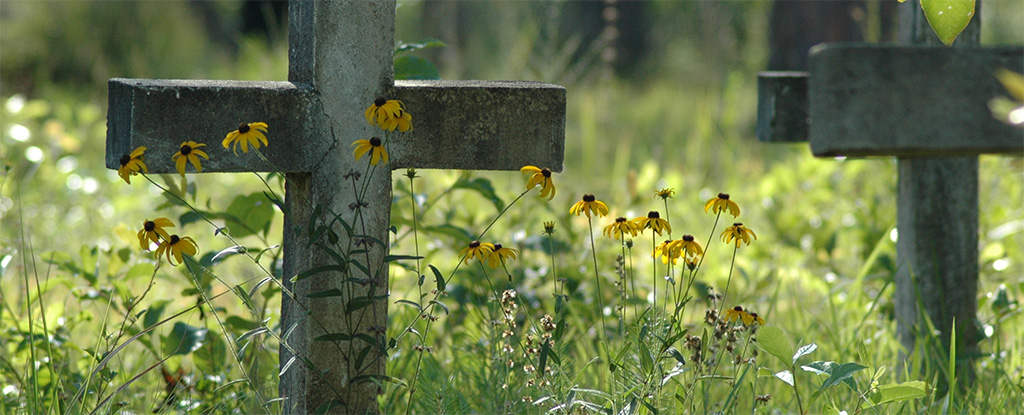
Trillions of microorganisms, known as the necrobiome, live in and around our bodies and continue to thrive after we die. These symbiotic bacteria play a crucial role in decomposing our bodies, recycling nutrients, and supporting new life. When our bodies break down, the cellular breakdown products become food for these bacteria, especially gut bacteria like Clostridia. As our bodies decompose, our microbes are flushed into the soil, where they encounter a diverse microbial community. Research suggests that our host-associated microbes are not only alive in the soil but also cooperate with native soil microbes to enhance decomposition rates and nitrogen cycling. This microbial recycling process is essential for fueling biodiversity and supporting ecosystems.

The Eternal Legacy of Your Necrobiome: How Your Microbes Sustain Life Beyond Death
science2 years ago

The Eternal Legacy of Your Necrobiome: How Your Microbes Sustain Life Beyond Death

Trillions of microorganisms that reside in the human body continue to live on and play a crucial role in recycling the body after death. These symbiotic bacteria, especially Clostridia, feed on the breakdown products of cells during decomposition and aid in the process of putrefaction. When the body is buried, these microbes are flushed into the soil, where they encounter a diverse microbial community. Recent research suggests that these host-associated microbes are not only alive in the soil but also cooperate with native soil microbes to enhance decomposition rates and nitrogen cycling. This microbial activity contributes to the recycling of nutrients from dead bodies, supporting new life in ecosystems.