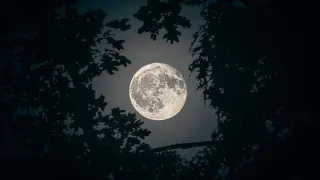
The article explains when to catch the rare blue moon as it rises at dusk this weekend, providing local moonrise windows and viewing tips to help observers spot the second full moon of the month with optimal visibility.
Hengefinder is an app that predicts moments when the sun or moon lines up with city streets or buildings, creating a “henge” frame. Using astronomical calculations plus road data, it delivers instant results worldwide, showing sunrise, sunset, moonrise, and moonset for any place. Available on iPhone, Android, and the web, it stems from open-source code by Victoria Ritvo and highlights the real-world complexities of modeling roads, latitude/longitude, and the nuanced definition of “sunset.”
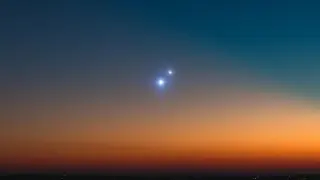
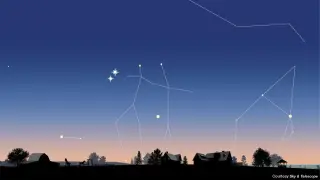
Three bright planets will glow after sunset this weekend, creating a planetary parade in the evening sky; binoculars or a small telescope can enhance the view, though the event is often visible to the naked eye with clear skies.
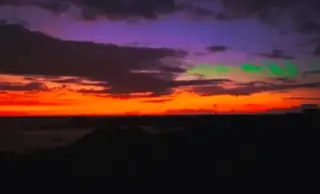
A mysterious green glow seen over Hawaii at sunset is explained as airglow—faint light from oxygen in the upper atmosphere—amplified and structured by gravity waves, visible mainly through cameras with long exposure rather than to the naked eye; satellites and auroras were ruled out, and scientists call for more public observations to better understand this subtle phenomenon.
Look east at sunset on March 26 to see Jupiter near a waxing Moon; the Moon–Jupiter close approach occurs at 9:19 PM EDT (1319 GMT), with Jupiter about 5 degrees to the lower-right of the Moon. The pairing is best viewed from the northern hemisphere and remains visible through the evening, with Jupiter staying prominent in the spring sky until solar conjunction in July. A small telescope or binoculars will reveal the Moon’s craters and lunar seas and Jupiter’s cloud bands and moons; for exact rise/set times, check Time and Date for your location.
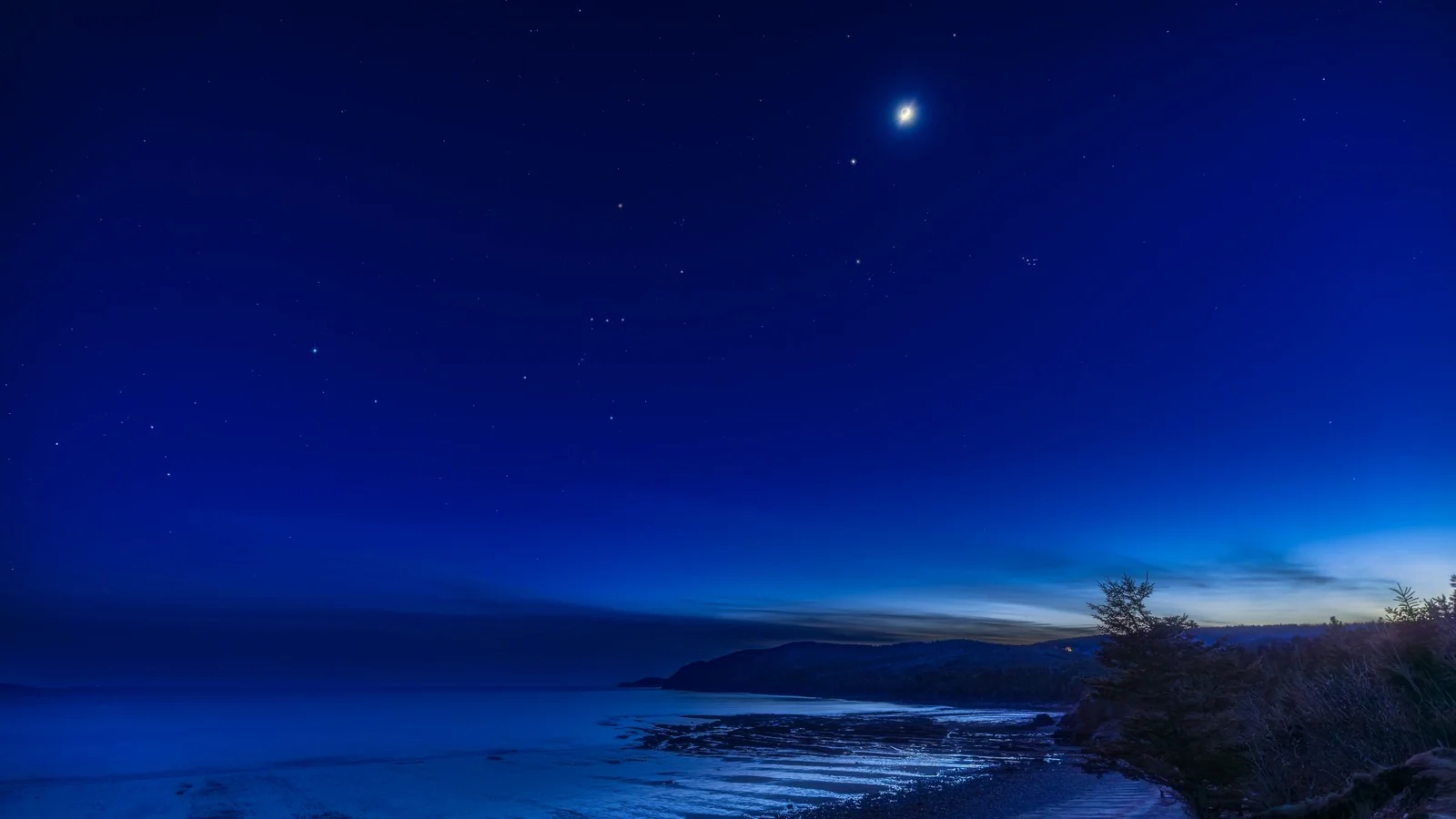
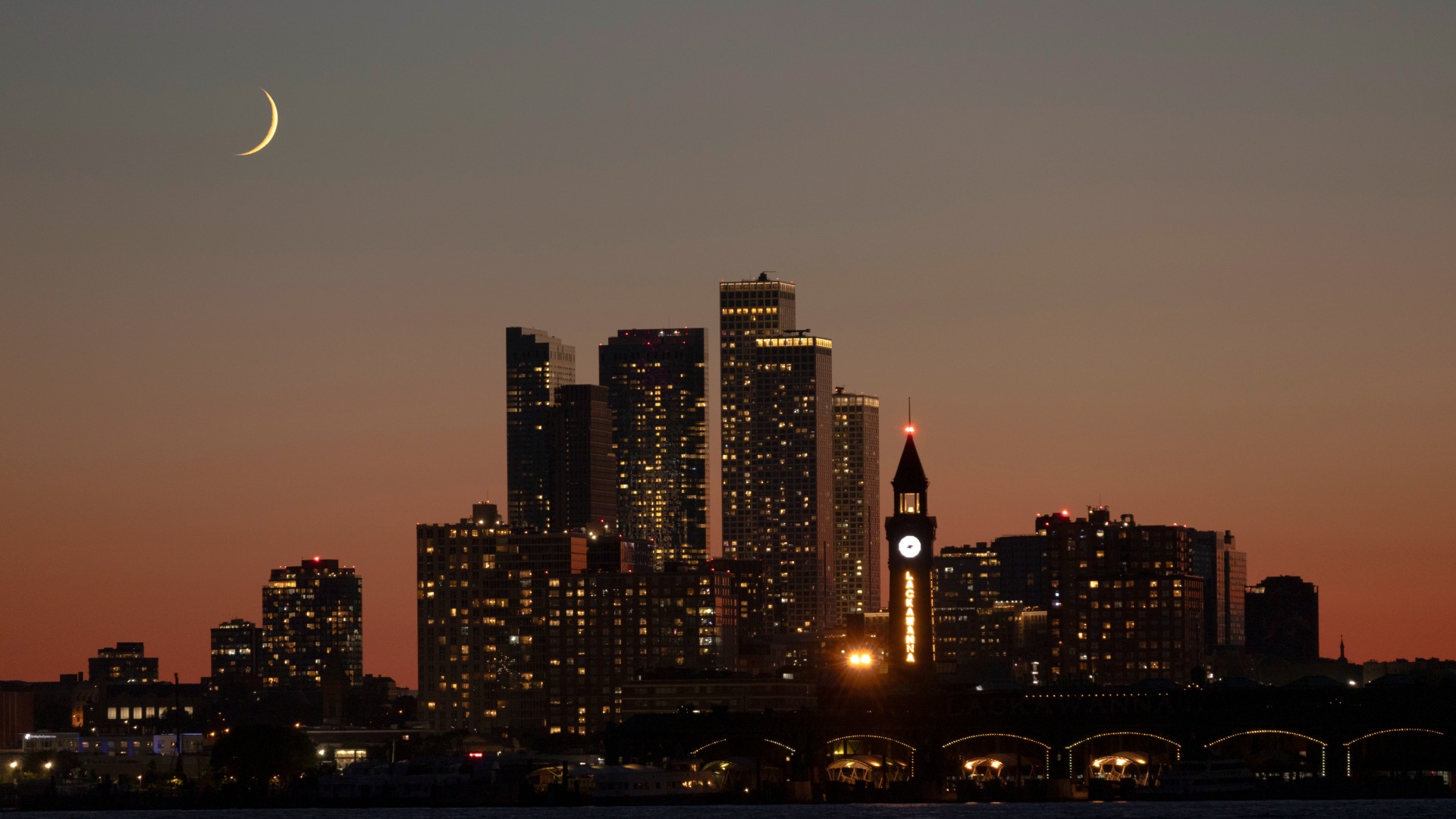
Tonight (March 19) after sunset, a slim crescent Moon sits just below Venus in the western sky. Venus will be easy to spot about 30–40 minutes after sunset, while the 1% illumination Moon will be a tricky, binoculars-helped target; if skies aren’t clear, tomorrow’s sighting should be easier.
Meta says Horizon Worlds will become a mobile-only experience, removing it from the Quest Store on March 31; users who already have the app can continue to use it until June 15, after which Horizon Worlds on Quest will be sunsetted and limited to a mobile experience (with the legs feature accessible on mobile).
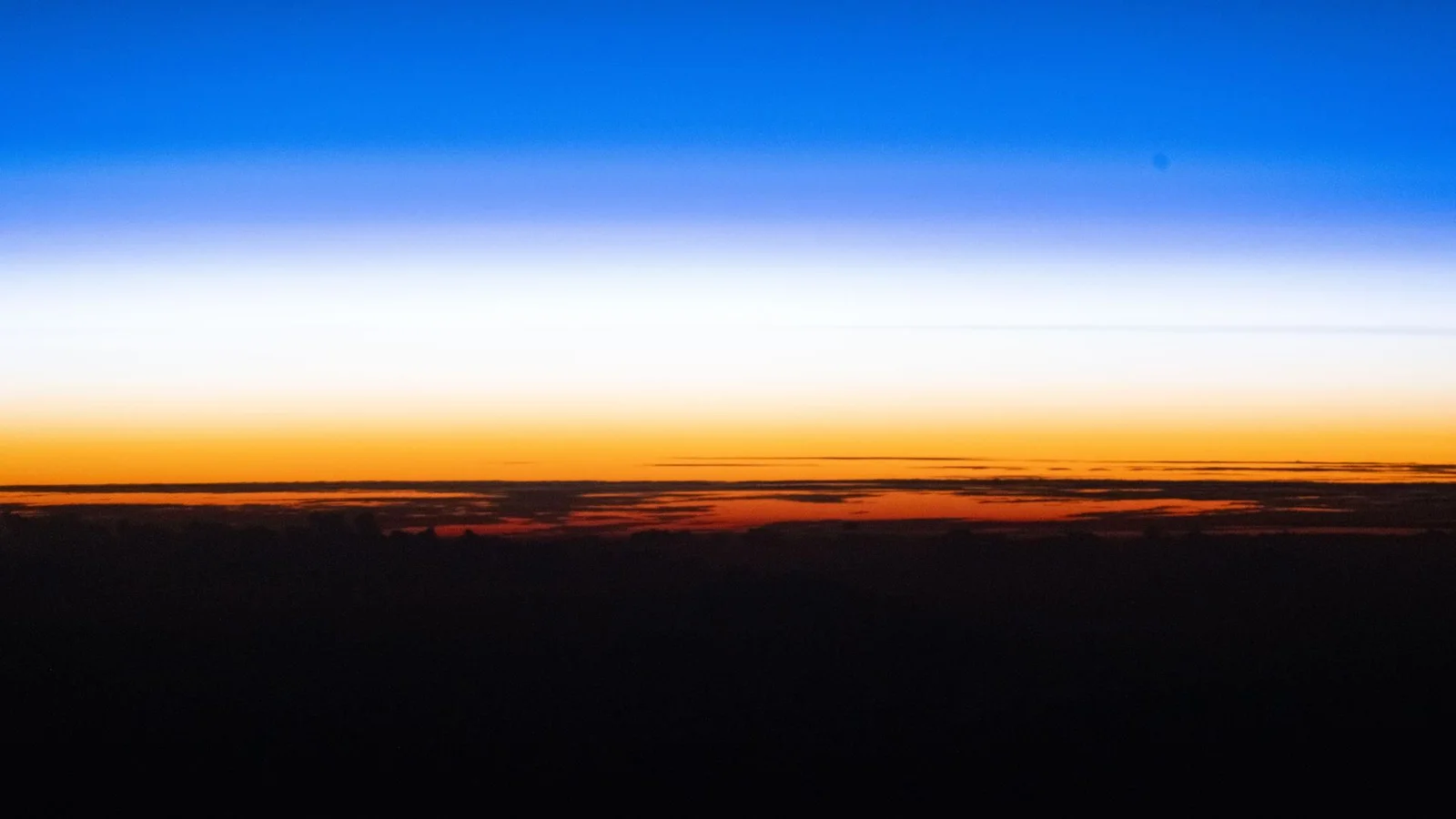
A sunset over the Pacific is captured by astronauts aboard the International Space Station, which orbits roughly 250 miles above Earth and experiences about 15–16 sunrises and sunsets each day. The image highlights Earth's curved silhouette and the vivid colors produced as sunlight passes through the atmosphere at a different angle, offering a unique perspective on our planet and the ongoing work aboard the ISS.
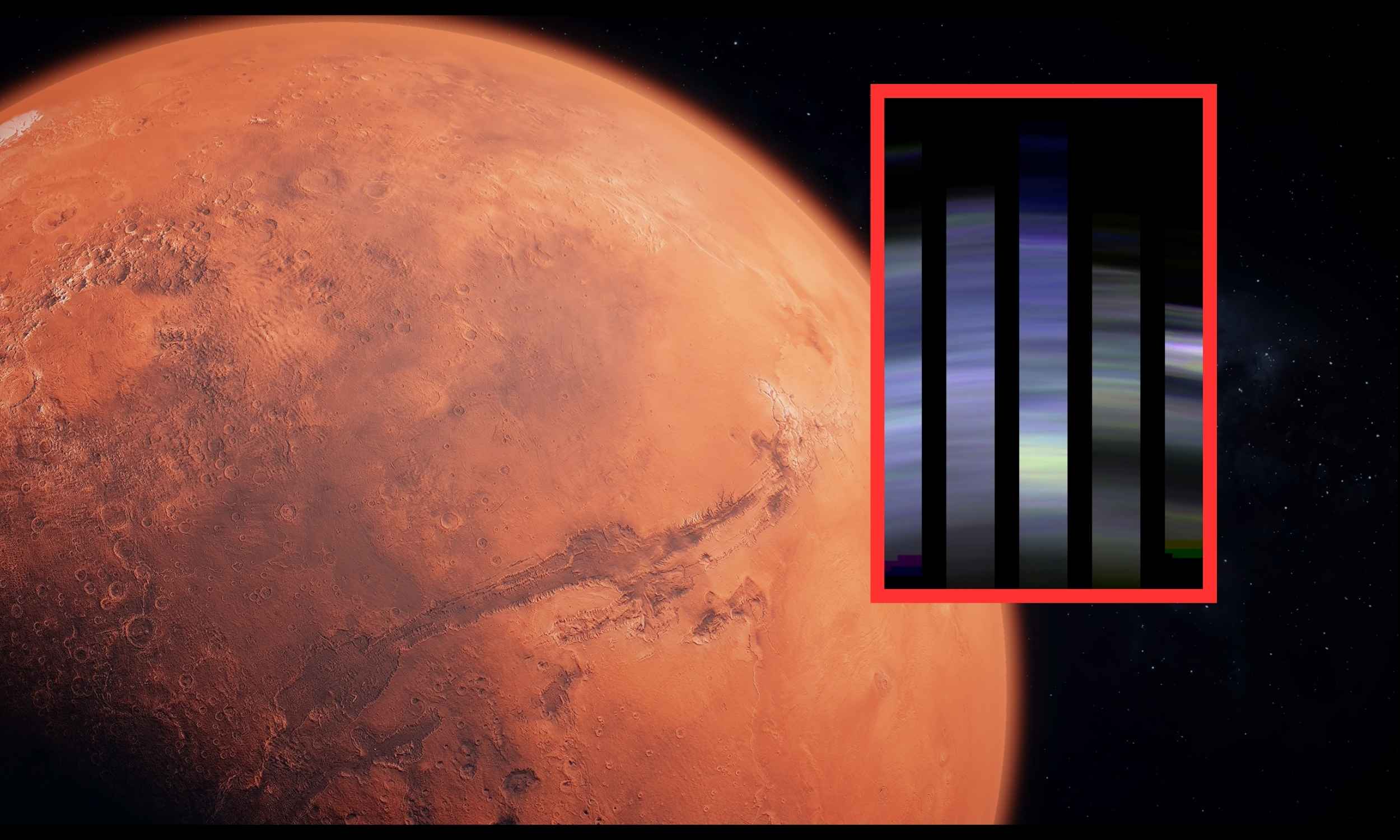
European orbiter captures the most detailed images of Mars' sunset, revealing layered atmospheric structures, particle sizes, and color variations that provide insights into the planet's climate and atmospheric composition, with plans to monitor these layers over time.
EA announced that The Sims Mobile will shut down on January 20, 2026, as part of the franchise's transition towards the upcoming project, Project Rene, which aims to be a new cross-platform Sims experience. The mobile game, launched in 2018, will be delisted and unplayable after the shutdown, reflecting EA's shift in focus to the next big iteration of the series.
On September 24, a fleeting view of the crescent moon and Mars will be visible above the western horizon shortly after sunset, with both disappearing within an hour. The event offers a rare opportunity to observe the red planet's distinctive hue and the moon's Earthshine glow, ideal for skywatchers with a clear view of the horizon.
EA announced that Anthem will be shut down and unplayable starting January 12, 2026, with servers going offline and the game being removed from EA Play in August 2025. Despite its struggles and mixed reception, BioWare continues its development efforts, focusing on a new Mass Effect game, amid declining staff numbers.
Crowds in New York City gather annually to witness 'Manhattanhenge,' when the Sun aligns with the city's street grid, creating a stunning sunset view between skyscrapers. This year's key dates are May 28 and July 13 for half-disc visibility, and May 29 and July 12 for full-disc visibility.
Manhattanhenge is a biannual event where the setting sun aligns perfectly with Manhattan's street grid, creating a stunning visual effect. Coined by astrophysicist Neil deGrasse Tyson, this phenomenon occurs around the summer solstice and draws large crowds eager to capture the golden hour light framed by the city's skyscrapers. The best viewing spot is on 42nd Street, but it can be challenging to see from below 14th Street.
Manhattanhenge is a biannual event where the setting sun aligns with Manhattan's street grid, creating a stunning sunset framed by skyscrapers. Coined by astrophysicist Neil deGrasse Tyson, this phenomenon draws crowds of spectators and photographers. The best viewing spot is on 42nd Street, and it occurs around the summer solstice.