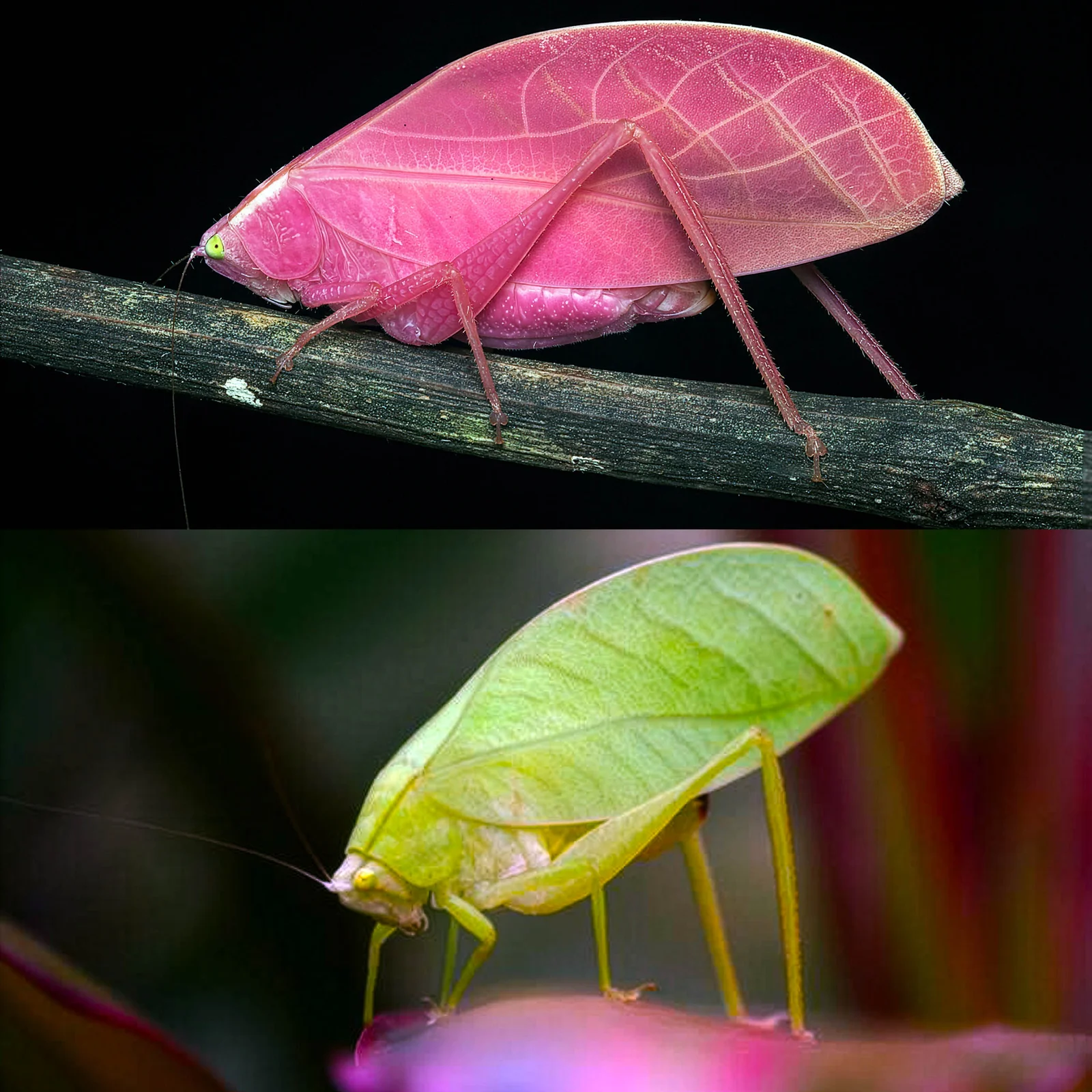
A rare rainforest katydid, Arota festae, starts life bright pink and gradually shifts to green over about two weeks, likely as camouflage that tracks the leaves’ delayed greening in tropical forests, a survival strategy observed on Barro Colorado Island, Panama.
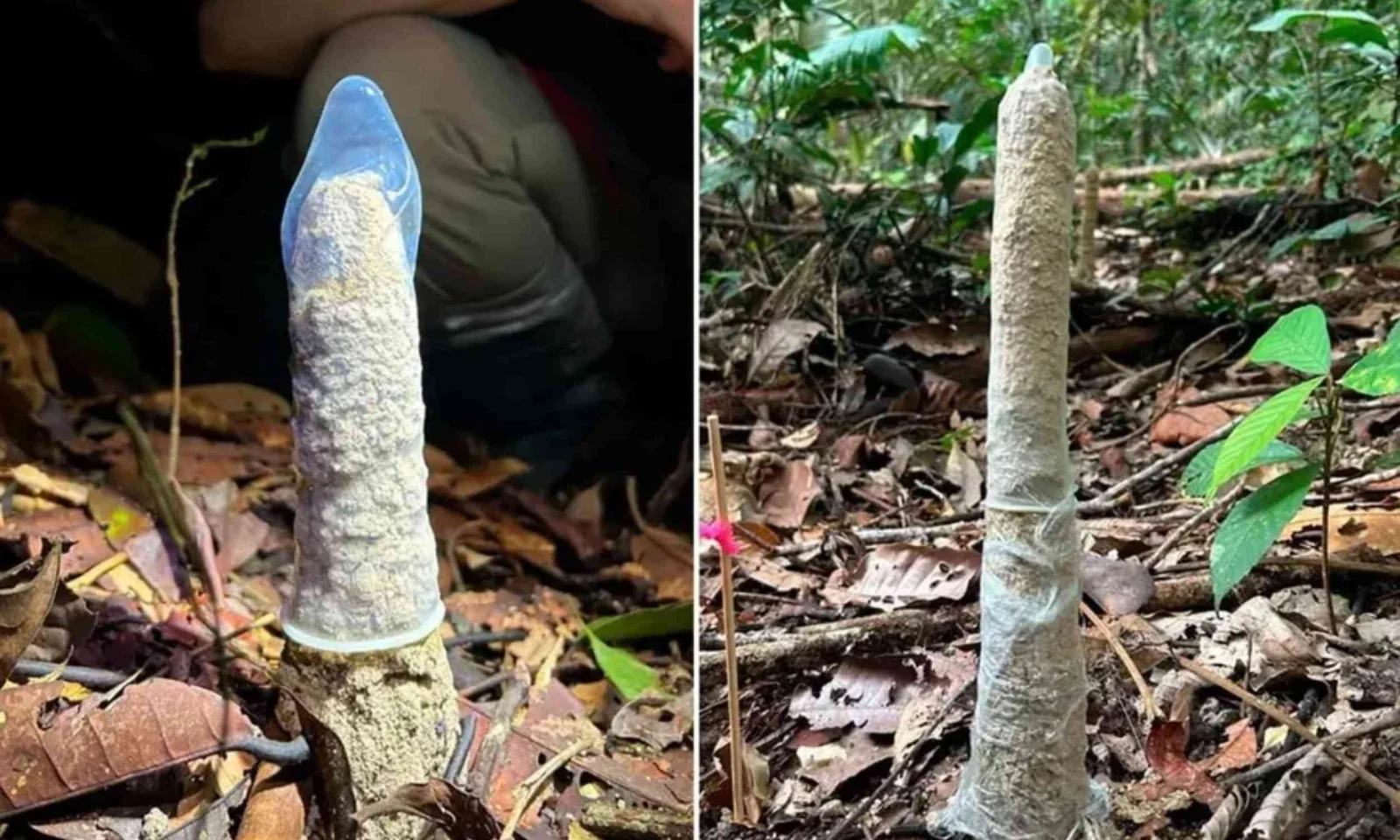
Researchers studying Amazonian cicadas found that their mud towers protect underground nymphs from predators and help regulate air flow during metamorphosis, effectively making the towers an extended phenotype that boosts survival; experiments showing predator avoidance and airflow disruption also found tower size influences recovery, reframing the towers as purposeful biology rather than mere dirt (Biotropica).
In Borneo’s rainforests, the earless monitor lizard (Lanthanotus borneensis) — a rare 'living fossil' dating back about 66 million years — moves through shadows with no external ears, rough camouflage scales, and a prehensile tail. It is elusive and nocturnal, feeding on earthworms, small crabs, and fish, and scientists warn that habitat destruction and illegal wildlife trade threaten its survival as the sole living member of its family.
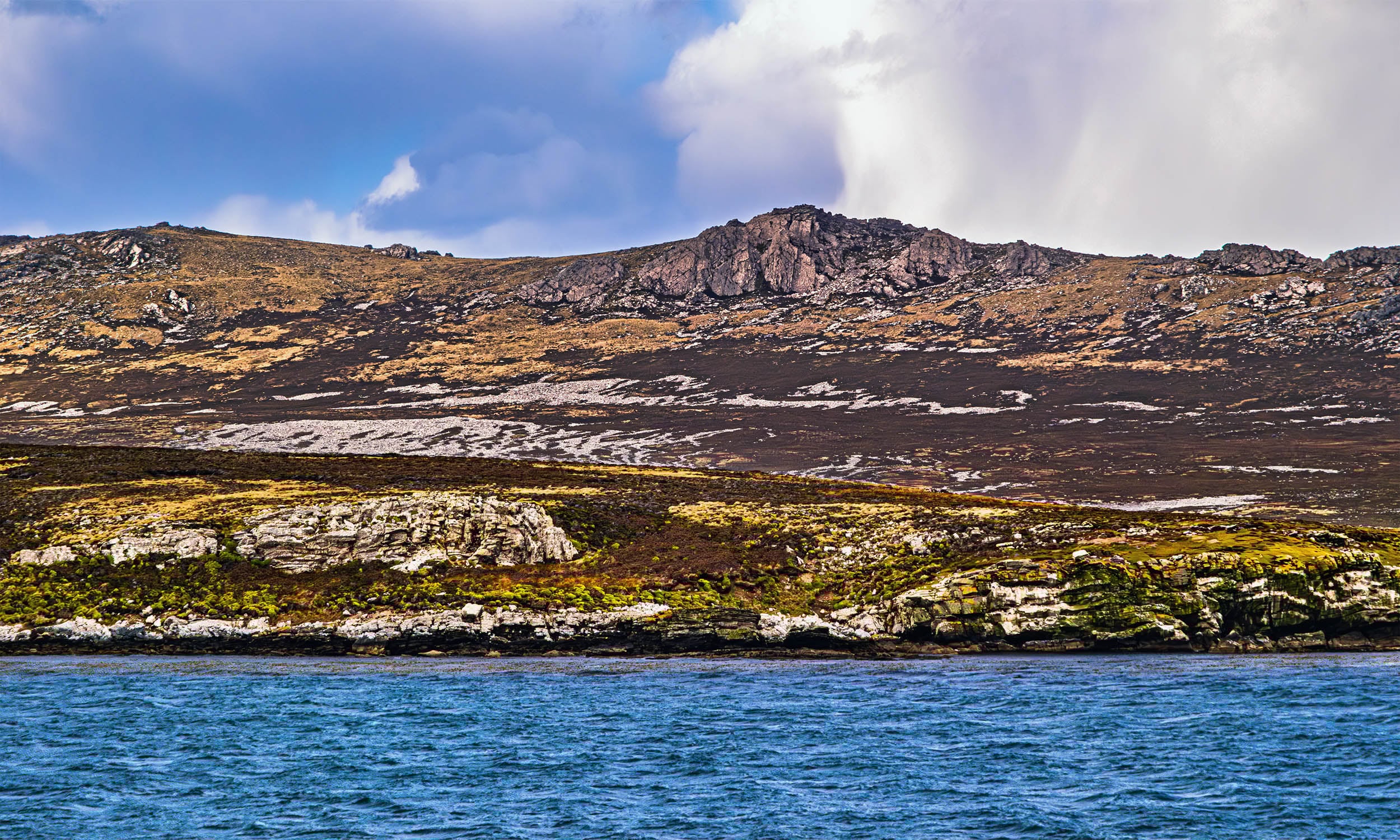
Scientists discovered a buried ancient cool-temperate rainforest on the Falkland Islands, dating back to the mid-to-late Cenozoic era, revealing a wetter, forested past that contrasts with the current treeless landscape, and providing valuable data for understanding climate change and ecosystem shifts over millions of years.
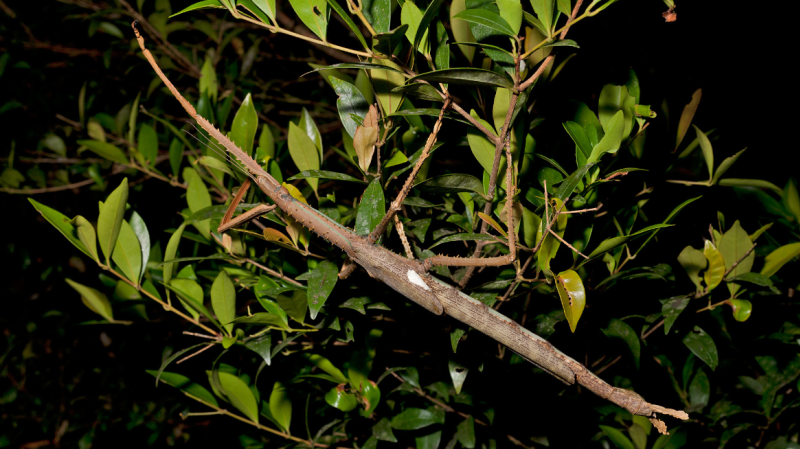
Scientists in Australia have discovered a new, notably heavy species of stick insect in the remote rainforest of Far North Queensland, weighing about the same as a golf ball and measuring 40 cm long, likely an adaptation to its cold, wet environment.
Scientists in Australia have discovered a new species of stick insect, Acrophylla alta, in the rainforest canopy of Far North Queensland, which is the heaviest insect found in the country, weighing 44 grams and measuring 40 centimeters long, likely an adaptation to colder high-altitude environments.
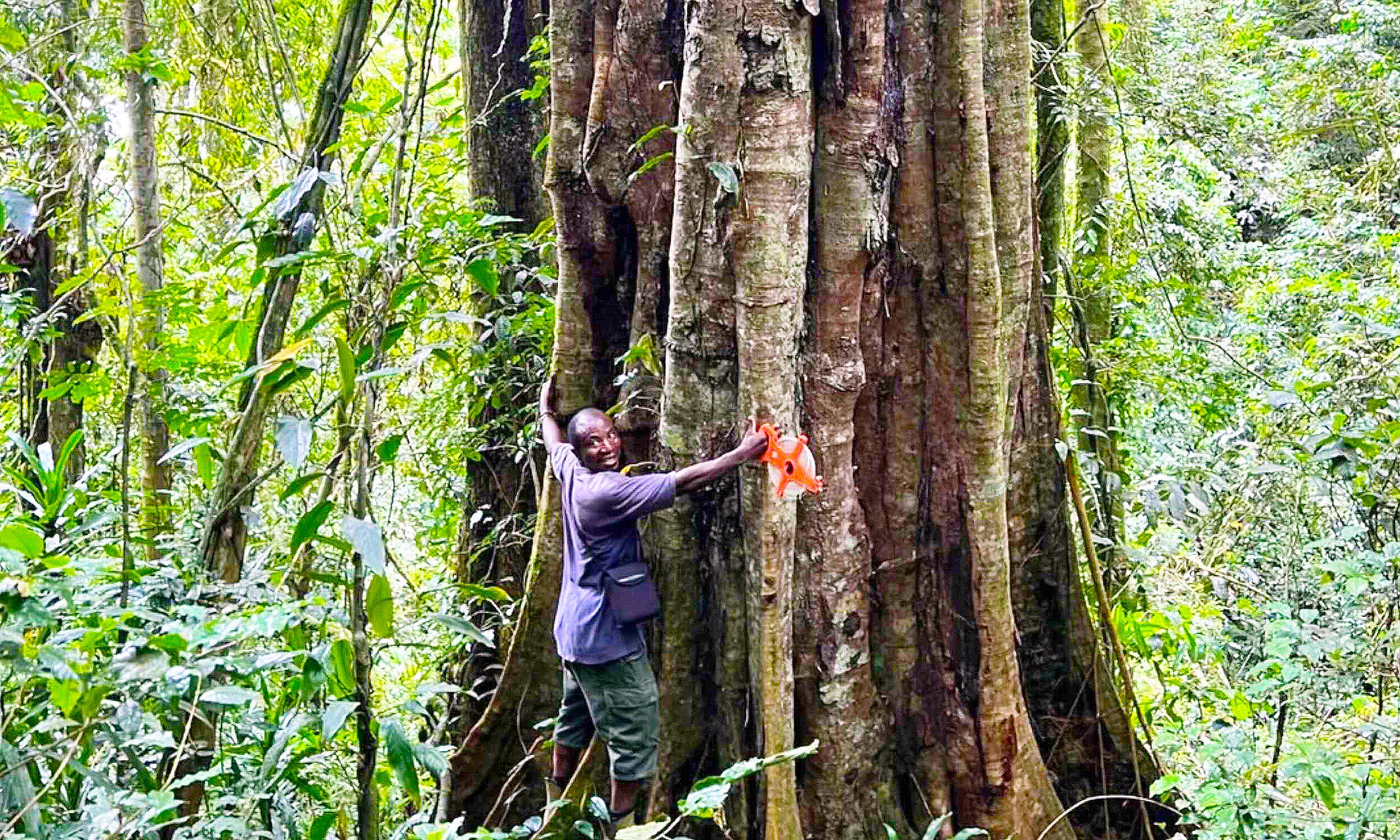
Scientists in Tanzania have discovered a new species of giant, ancient tree called Tessmannia princeps, which is estimated to be 2,000-3,000 years old, with some individuals reaching over 130 feet tall and possessing trunks nearly nine feet across. The tree's longevity and unique habitat highlight its ecological importance and vulnerability, leading to its classification as 'Vulnerable' by the IUCN. This discovery underscores the significance of rainforest conservation and the potential for uncovering more hidden biodiversity.
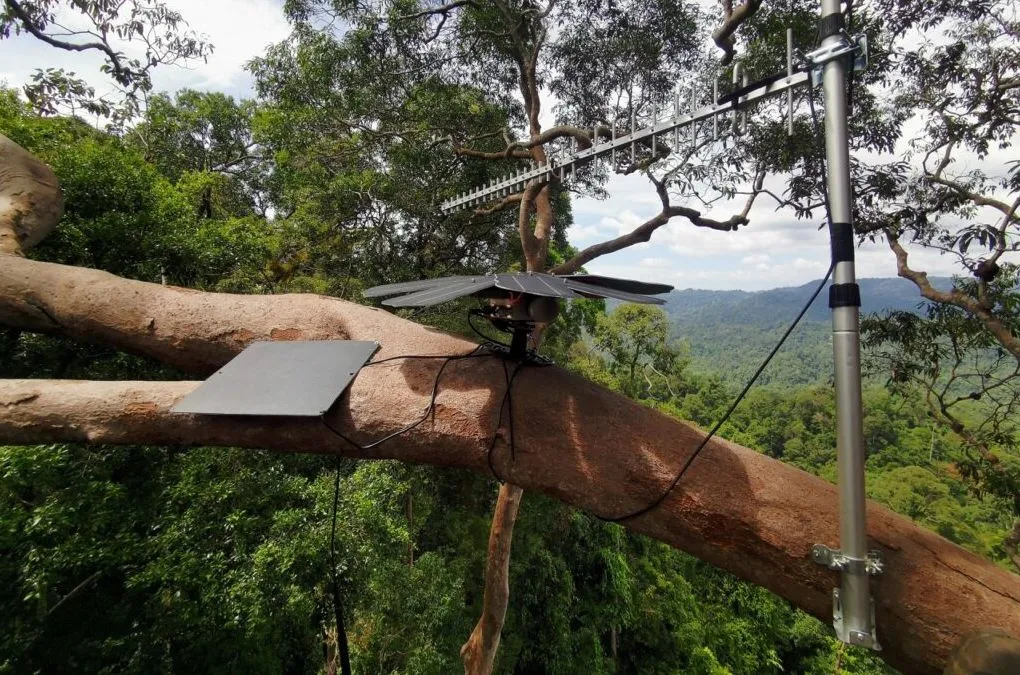
The Rainforest Connection's Guardian system, initially developed to detect illegal logging using upcycled smartphones, has evolved into a sophisticated bioacoustic monitoring platform. Now active in ten countries, it uses custom hardware to capture real-time audio data for both conservation efforts and scientific research. The system's data is accessible to the public through mobile apps, allowing users to listen to rainforest sounds and aiding in the protection of these vital ecosystems.
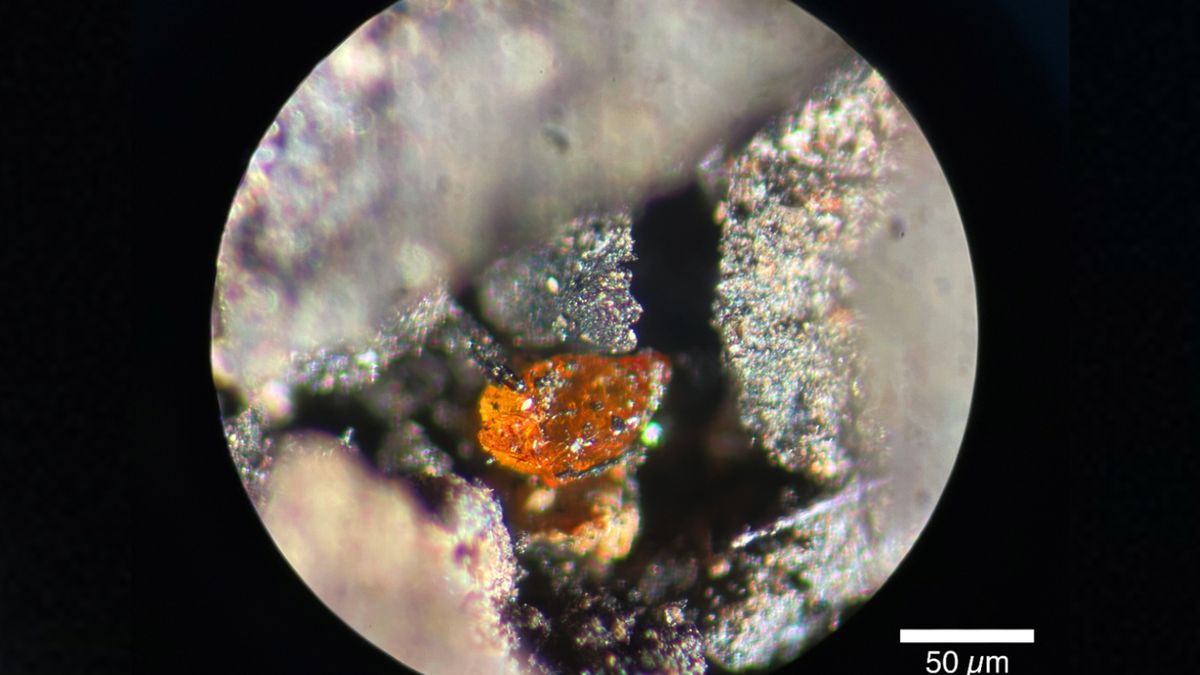
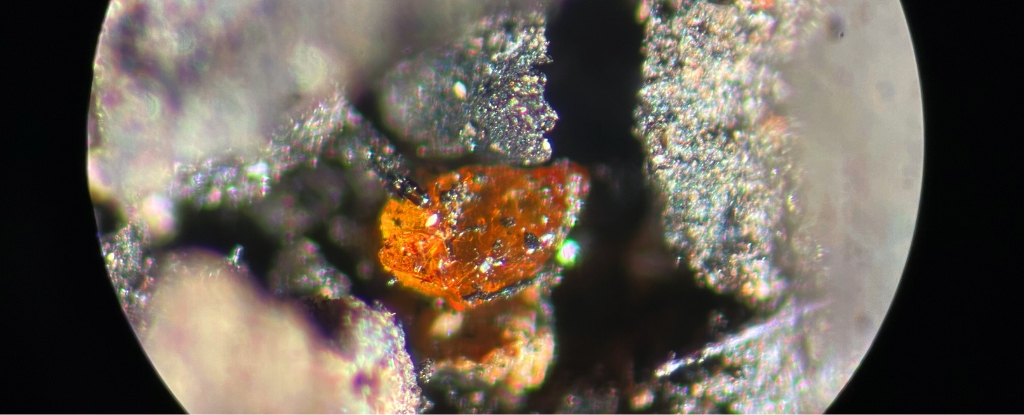
Researchers have discovered the first piece of amber in Antarctica, found in sediment cores from the seafloor near Pine Island Glacier. This tiny fossilized resin fragment, dating back 90 million years to the Cretaceous period, contains remnants of a temperate rainforest that once covered the continent. The amber's preservation offers insights into the ancient ecosystem and could lead to further discoveries about Antarctica's prehistoric environment.
Scientists have discovered amber in Antarctica for the first time, providing evidence that a mid-Cretaceous rainforest existed near the South Pole around 83 to 92 million years ago. This discovery, along with fossils of roots, pollen, and spores, suggests that the region was once warm and wet enough to support coniferous trees similar to those in New Zealand and Patagonia today. The amber, found in a drill sample from West Antarctica, indicates that resin-producing trees survived in this prehistoric environment, despite months of darkness during winter.
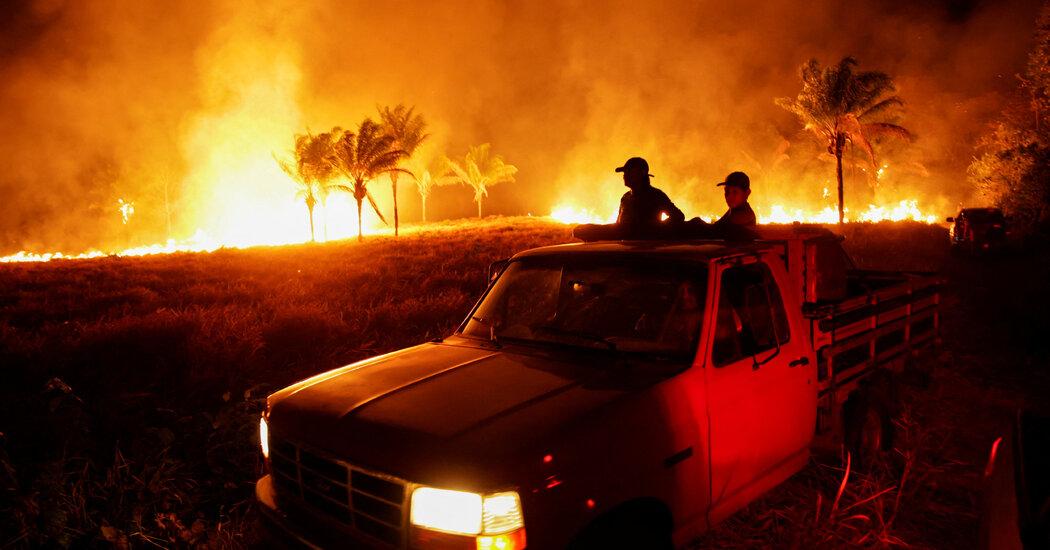
A punishing drought in the Amazon rainforest has led to scarce rains and created dry conditions for fires, resulting in hundreds of square miles of the rainforest burning as countries in the region battle a record number of fires fueled by extreme weather. The fires, a result of an extreme drought fueled by climate change, have turned the end of the dry season into a crisis, with firefighters struggling to contain enormous blazes that have sent choking smoke into cities across South America.
Scientists in Peru's Manu Biosphere Reserve are using dung beetles to collect DNA samples from various wildlife species for biodiversity studies. By sequencing the DNA found in the beetles' stomachs using Nanopore technology, researchers are able to identify the animals represented in the region. This innovative approach allows for non-invasive data collection and provides insights into the diets and interactions of different species within the rainforest ecosystem.
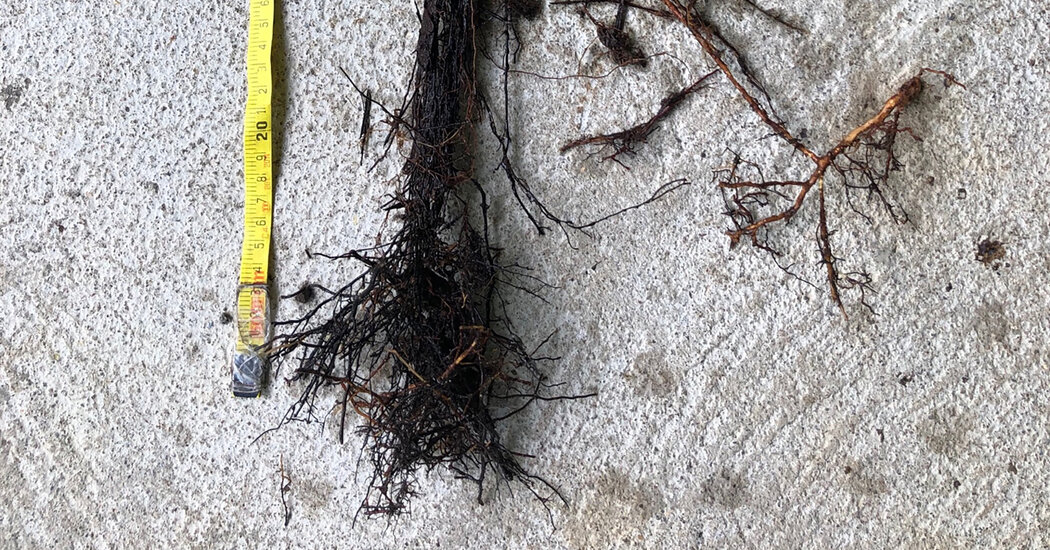
In the rainforests of Panama, scientists discovered a tree fern species, Cyathea rojasiana, that transforms the decaying tissue of its leaves into a new source of nutrients by sprouting unusual roots from the remnants of its dead or dying fronds. This unique process allows the plant to avoid rotting and provides it with a new way to anchor in the soil and obtain nutrients, making it the first known plant species to exhibit this behavior.
Scientists have attributed the severe 2023 drought in the Amazon rainforest to climate change, stating that extreme temperatures leading to low water levels would have been highly unlikely without human-induced climate change. Deforestation has also contributed to decreased rainfall and weakened the forest's ability to retain moisture, making it less resilient to events like wildfires. The Amazon River and its tributaries reached their lowest levels in 120 years, with the drought classified as "exceptional" due to the impact of fossil fuel emissions on the climate.
A wildfire on Oahu, Hawaii, has destroyed irreplaceable native rainforest, home to nearly two dozen fragile species. The fire, fueled by severe drought caused by climate change, highlights the changing landscape of the island state. Although no homes were burned, the fire ravaged the Oahu Forest National Wildlife Refuge, which is home to 22 endangered or threatened species. The burn area may seem small compared to mainland wildfires, but Hawaii's native ecosystems are already limited, making even small fires significant. The loss of native forest has cultural and ecological implications, as non-native plants prone to fire replace native species. Efforts are underway to restore the damaged area, but the landscape has been forever changed.