Tag

Vertebrates

All articles tagged with #vertebrates

Blood’s Ancestral Blueprint: A 700-Million-Year Link to Single-Celled Ancestors
science2 days ago

Blood’s Ancestral Blueprint: A 700-Million-Year Link to Single-Celled Ancestors

An international team led by Kyoto University traced the evolution of blood cells back about 700 million years, showing blood likely formed from ancient unicellular gene programs rather than arising anew with multicellular life. By comparing transcriptomes across species, they found macrophage-like ancestors and shared regulatory genes (notably Fos) that link early single-celled organisms to later mast cells, T cells, red blood cells, and platelets, revealing a deep evolutionary history with implications for understanding diseases such as cancer.

A lone ancestral eye gave rise to vertebrate vision, new theory claims
science2 months ago

A lone ancestral eye gave rise to vertebrate vision, new theory claims

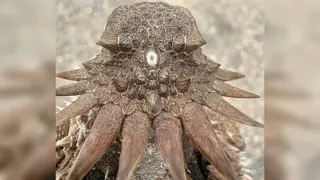
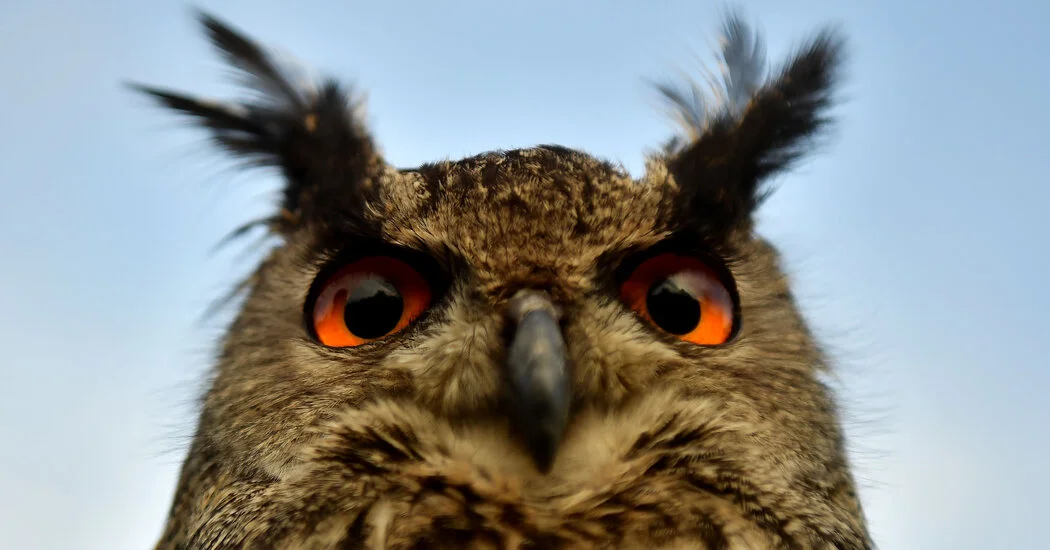
Researchers from the University of Sussex and Lund University propose that vertebrate eyes did not evolve from early paired eyes but were reinvented from a single central photoreceptive organ after ancestral deuterostomes lost their eyes. This organ supposedly integrated both rhabdomeric and ciliary photoreceptors, with the pineal gland as a remaining link to this history. Published in Current Biology, the hypothesis offers testable predictions but still requires firmer evidence.

600-Million-Year Cyclops Traced as Progenitor of Vertebrate Vision
science3 months ago

600-Million-Year Cyclops Traced as Progenitor of Vertebrate Vision

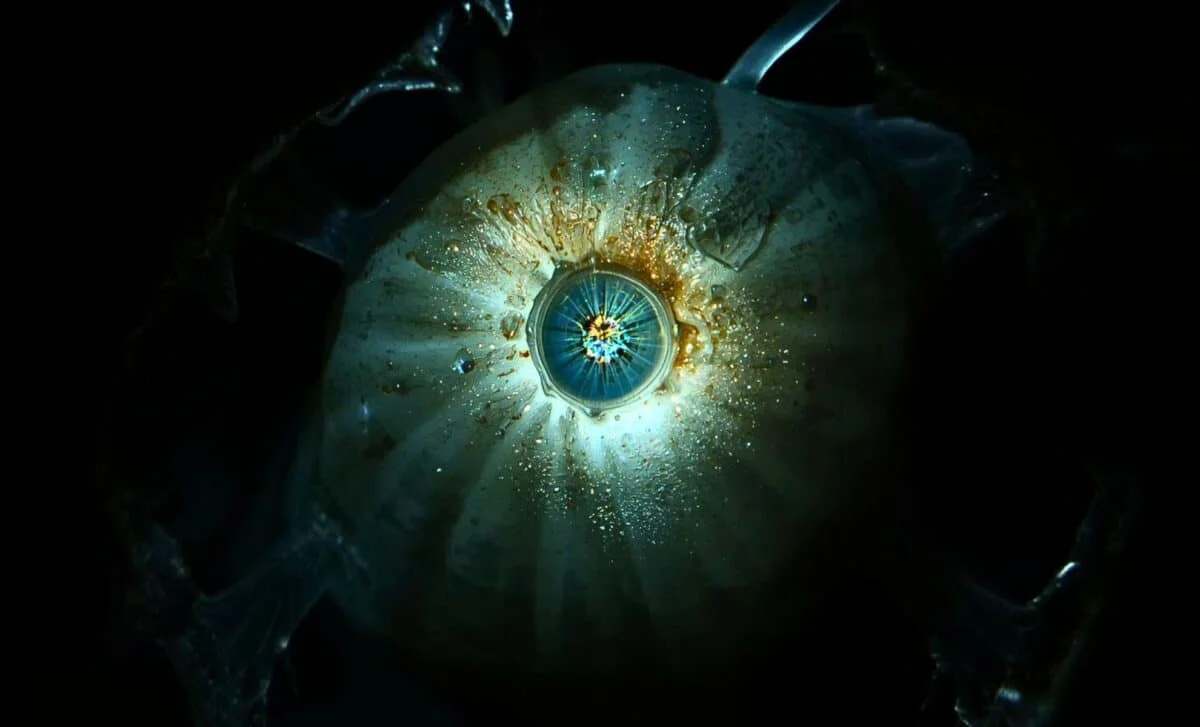
New research links vertebrate vision to a 600-million-year-old wormlike ancestor that had a single median eye. Over time, that eye’s light-sensing cells organized into the modern image-forming eyes, while the pineal gland remains a direct descendant; this explains why vertebrate retinas develop from brain tissue and why insect and squid eyes originate from skin.

"Evolutionary Insights: Nightmare Fish and the Origin of the Sympathetic Nervous System"
science2 years ago

"Evolutionary Insights: Nightmare Fish and the Origin of the Sympathetic Nervous System"

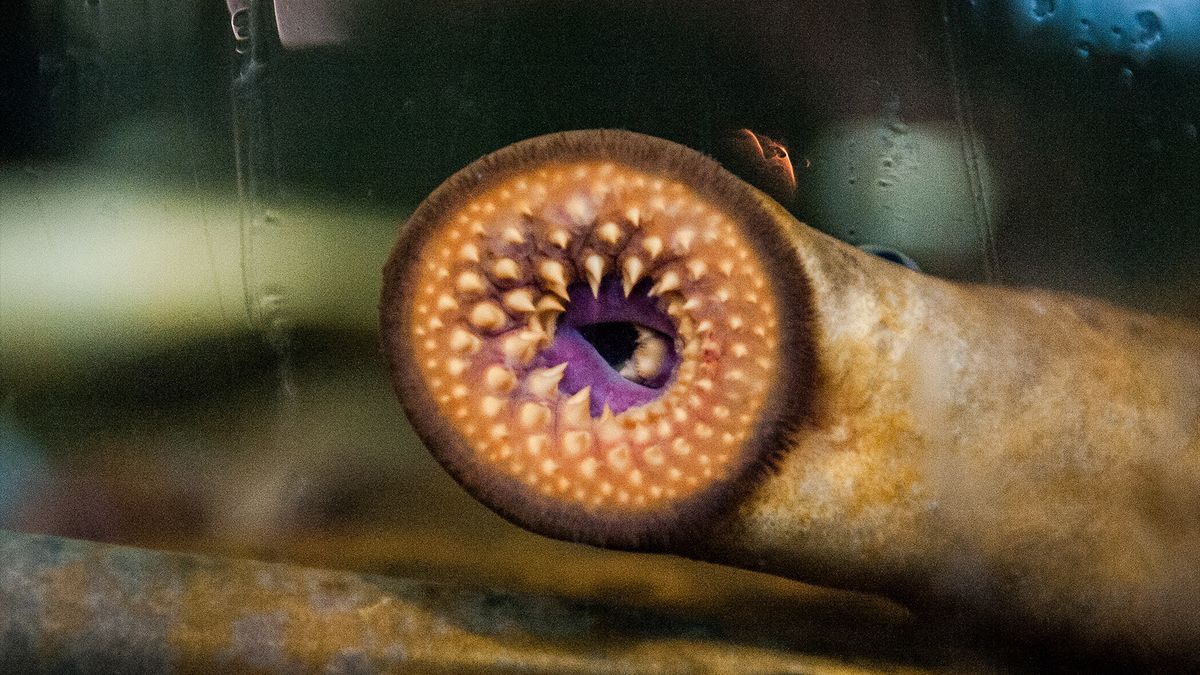
Lampreys, ancient jawless fish, were previously thought to lack a "fight or flight" response due to the absence of a structure called the neural crest. However, a new study published in Nature reveals that lampreys do have sympathetic nerve cells, suggesting that the vertebrate flight-or-flight response is more ancient than previously believed. This discovery sheds light on the evolution of this system and challenges previous assumptions about these primitive vertebrates.

"Meet the Brazilian Flea Toad: The World's Tiniest Vertebrate"
science-and-nature2 years ago

"Meet the Brazilian Flea Toad: The World's Tiniest Vertebrate"

Researchers have confirmed that the flea toad, Brachycephalus pulex, found in Brazil, is the tiniest frog and vertebrate species in the world, measuring an average of 7.1 millimeters for adult males. This discovery challenges the previous record held by Papua New Guinea's Paedophryne amauensis. The extremely small size of these frogs presents physical limitations for vertebrates, such as the inability to fit enough cell types to create vital organs and the loss of common frog features. Despite these limitations, the flea toads continue to thrive in their mountainous forest habitats.

"Unveiling the Surprising Role of Ancient Viruses in Vertebrate Brain Evolution"
science2 years ago

"Unveiling the Surprising Role of Ancient Viruses in Vertebrate Brain Evolution"

Scientists have discovered a crucial link between ancient viruses and the development of myelination, a process essential for advanced nervous system functioning in vertebrates. The study reveals that a genetic element derived from retroviruses, called "RetroMyelin," is vital for myelin production in a wide range of vertebrates, including mammals, amphibians, and fish. This finding suggests that viral sequences integrated into early vertebrate genomes played a pivotal role in the evolution of myelination, enabling the development of complex brains and diverse vertebrate life. The research sheds light on the molecular mechanisms of myelin production and its evolutionary origins, opening new avenues for understanding the role of retroviruses in directing evolution.

"Evolutionary Impact: Ancient Viruses Shaping Our Bodies and Brains"
science2 years ago

"Evolutionary Impact: Ancient Viruses Shaping Our Bodies and Brains"

A study published in the journal Cell suggests that ancient viruses that infected vertebrates millions of years ago played a crucial role in the evolution of advanced brains and large bodies. Researchers found that a gene sequence acquired from retroviruses is crucial for myelin production, enabling faster nerve impulse conduction and structural support, leading to the development of larger bodies. The study also suggests that the retroviral infection may have occurred multiple times in the evolutionary history of vertebrates, shedding light on the complex relationship between viruses and evolution.

Unraveling the Hagfish Genome: Insights into Vertebrate Evolution
science2 years ago

Unraveling the Hagfish Genome: Insights into Vertebrate Evolution

An international scientific team has successfully sequenced the first genome of myxini, also known as hagfish, which is the only large group of vertebrates without a reference genome. This achievement has provided insights into the evolutionary history of genome duplications in vertebrates, shedding light on the origin of unique vertebrate structures such as the complex brain, jaw, and limbs. The study, which took nearly a decade and involved over 40 authors from seven countries, has significant implications for understanding the genomic events that led to the emergence of key vertebrate characteristics.

"High-altitude Mice: Earth's Highest-dwelling Vertebrates Found on Volcano Summit"
biology2 years ago

"High-altitude Mice: Earth's Highest-dwelling Vertebrates Found on Volcano Summit"

A study confirms that the world's highest-dwelling vertebrates are small mammals living on the snow-capped tops of volcanoes in the Andes, challenging previous assumptions about the limits of vertebrate life. Researchers discovered live and mummified leaf-eared mice at elevations of up to 22,000 feet, with evidence suggesting that these mice are resident populations rather than transient visitors. The genetic similarity among the high-dwelling rodents and the presence of rodent burrows further support their ability to thrive in these extreme conditions. The mystery of how these mice survive in their frigid habitat remains unsolved, but ongoing research aims to shed light on their diet and thermoregulation.