Tag

Water Vapor

All articles tagged with #water vapor

Gigantic Water Vapor Cloud Detected Around Ancient Quasar
space11 hours ago

Gigantic Water Vapor Cloud Detected Around Ancient Quasar

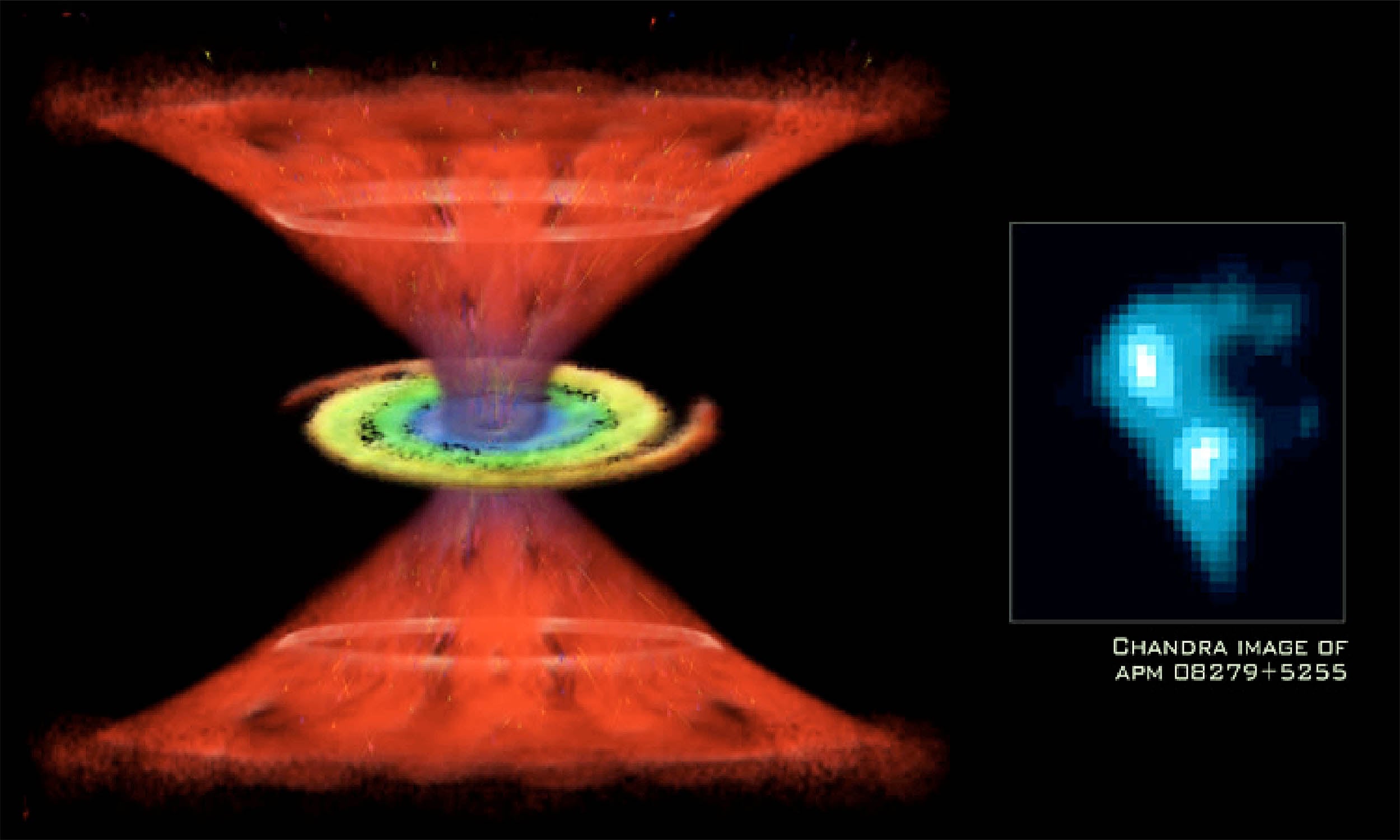
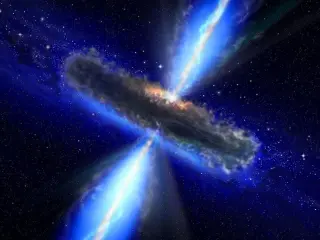
Astronomers detected an immense reservoir of water vapour around quasar APM 08279+5255 (more than 12 billion light-years away), amounting to about 100,000 solar masses or roughly 140 trillion times all Earth's oceans, spread across hundreds of light-years. The water’s spectral signatures reveal a warm, dense gas environment, making it a useful tool for studying conditions in the young universe; the “largest ever” label is observational, reflecting current instrument limits rather than a universal cosmic ranking.

Tonga Eruption Cooled the Stratosphere and Redrew How We Read the Sky
science24 days ago

Tonga Eruption Cooled the Stratosphere and Redrew How We Read the Sky

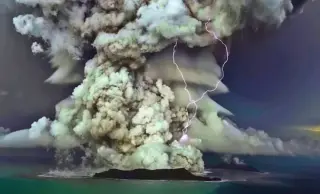
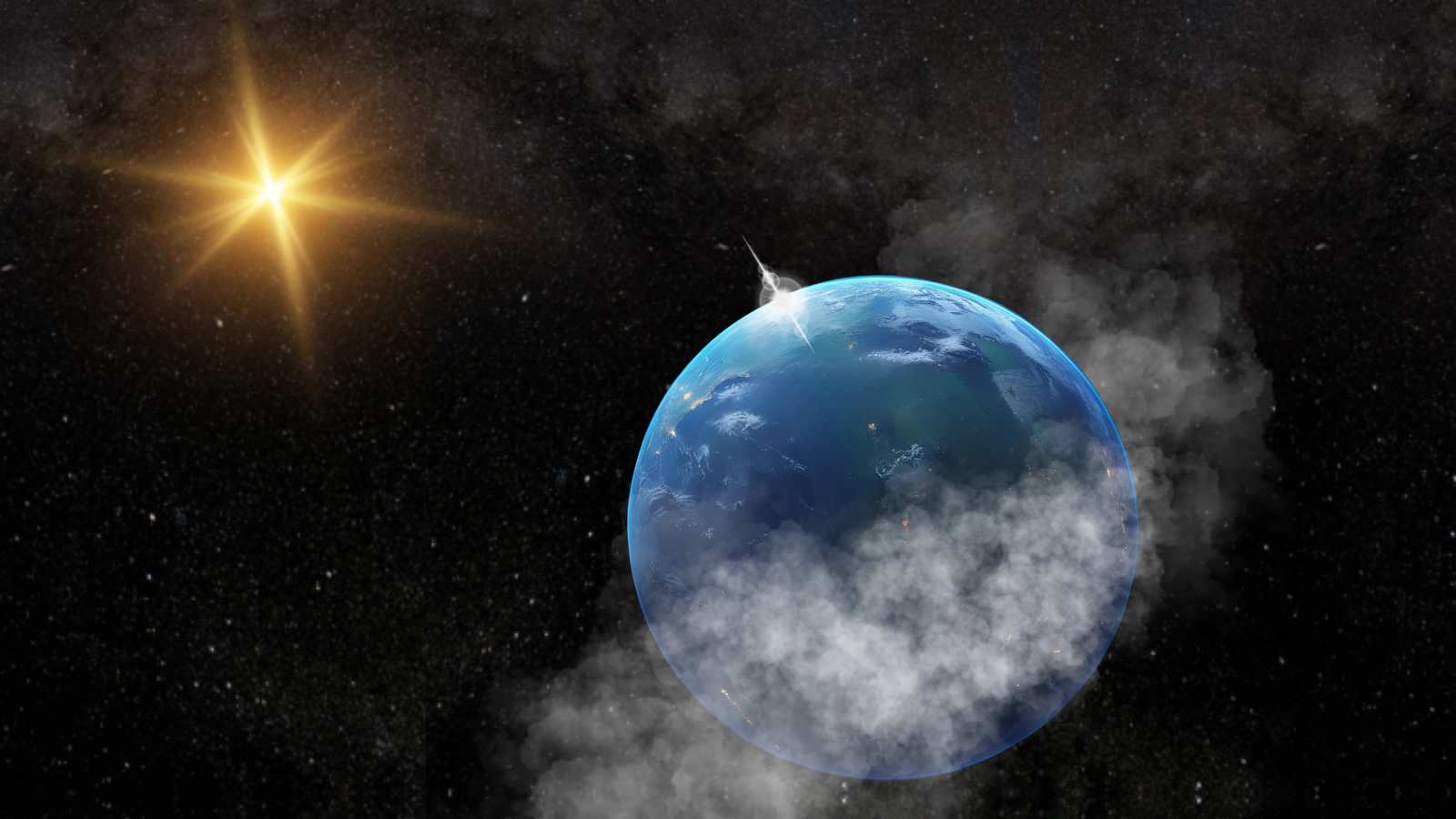
The January 2022 Hunga Tonga eruption sent roughly 146 teragrams of seawater vapor into the stratosphere, cooling that atmospheric layer by about 0.5–1°C rather than warming it, and leaving no clear imprint on global surface temperatures in 2023–2024. The eruption's depth (about 490 feet below sea level) let magma vaporize seawater and fuel the plume, which reached the mesosphere and generated planetary-scale pressure waves and a Mediterranean meteo-tsunami. The event injected more water vapor than any prior eruption and, because the moisture persists, it is expected to influence atmospheric chemistry into the late 2020s, reshaping how scientists model volcanic impacts on the climate.

Interstellar comet 3I/ATLAS pours water into space, JUICE reveals
space1 month ago

Interstellar comet 3I/ATLAS pours water into space, JUICE reveals

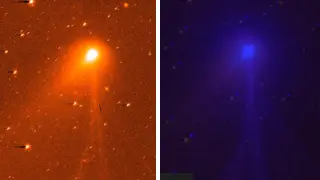
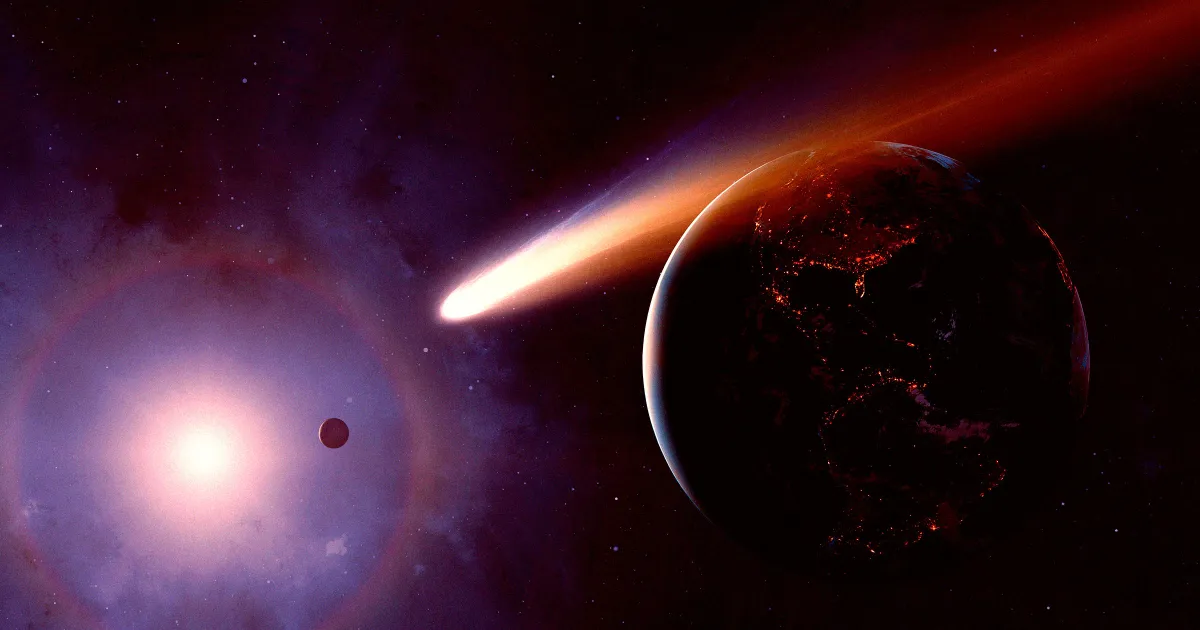
Interstellar comet 3I/ATLAS is actively ejecting water vapor as it passes near the Sun, with an outflow of about two tons per second (roughly 70 Olympic swimming pools of water vapor per day), observed by ESA’s JUICE spacecraft using the MAJIS and JANUS instruments. Infrared detections of water vapor and carbon dioxide around perihelion show an extended coma, tail, and jets, offering a glimpse into materials formed around another star billions of years ago. The observations were unplanned and conducted in 2025, with data reaching Earth in 2026, highlighting JUICE’s capability to study interstellar visitors on its journey to Jupiter.

Martian Volcanoes and Ice Deposits: Unveiling the Red Planet's Climate History
science7 months ago

Martian Volcanoes and Ice Deposits: Unveiling the Red Planet's Climate History

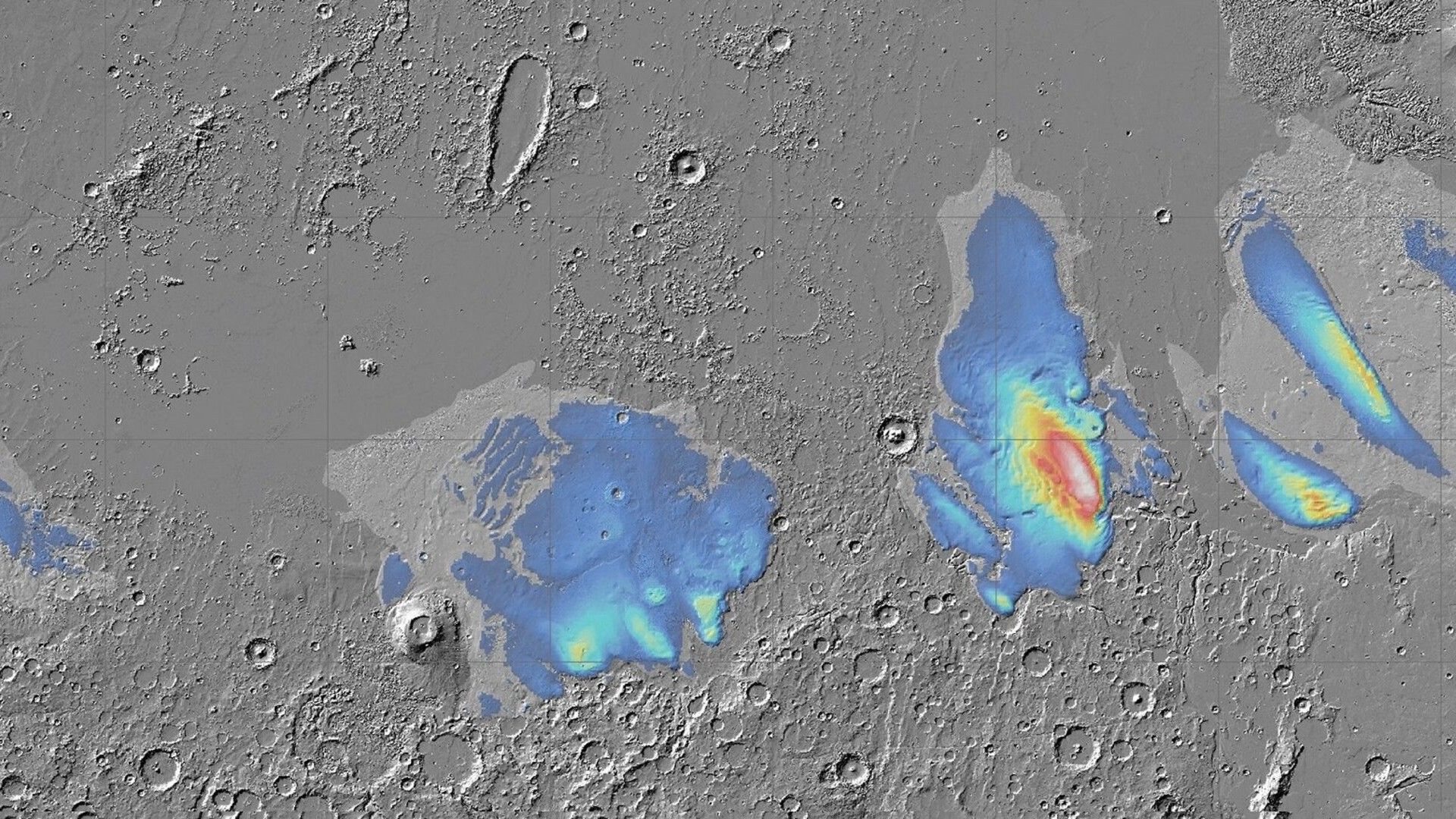
Ancient volcanic eruptions on Mars may have released water vapor that froze into ice, potentially creating significant underground ice deposits near the equator, which could be valuable for future human exploration. The study suggests repeated eruptions over millions of years could have contributed to these ice deposits, although further research is needed to confirm their presence and composition.

Steam Worlds and Sub-Neptunes: New Frontiers in the Search for Extraterrestrial Life
science9 months ago

Steam Worlds and Sub-Neptunes: New Frontiers in the Search for Extraterrestrial Life

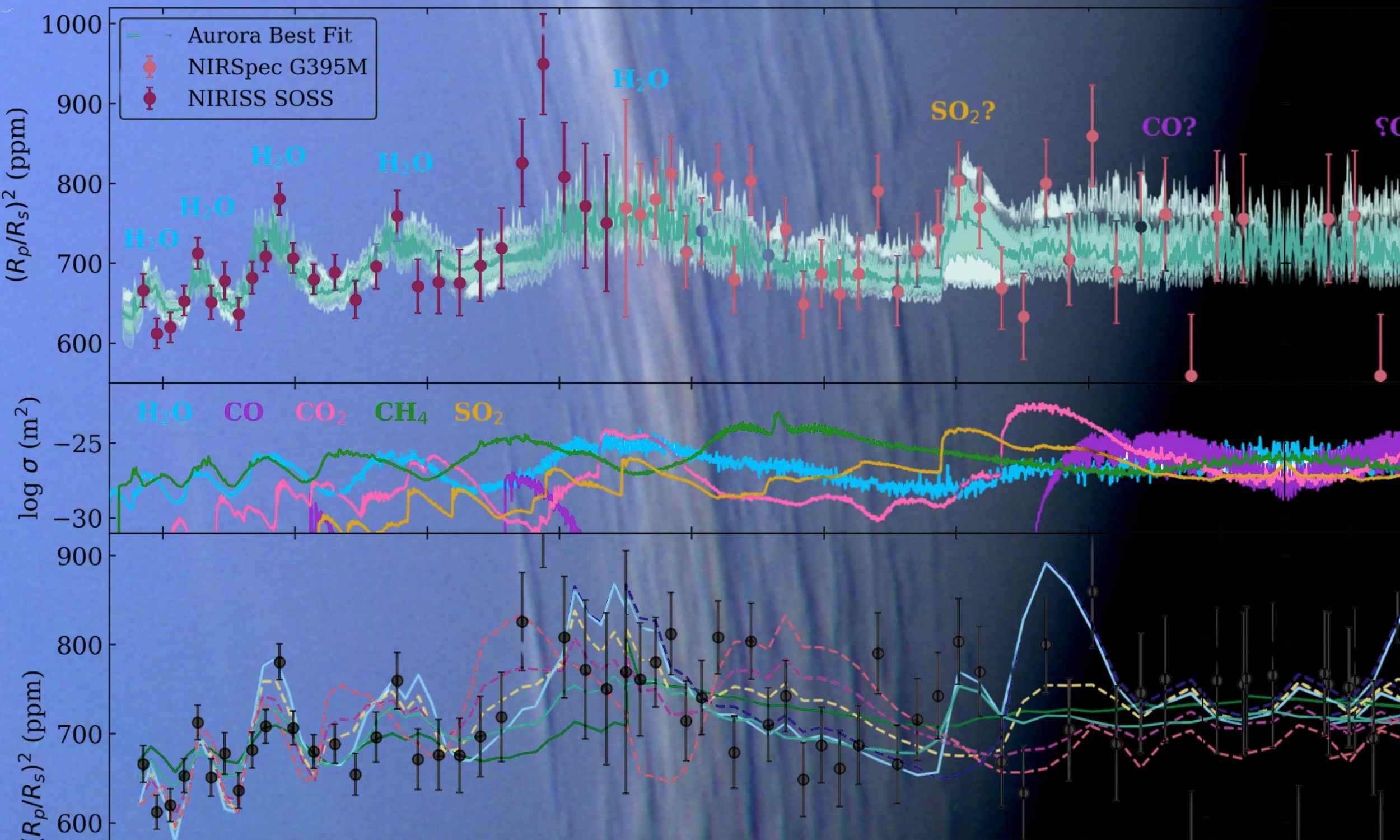
Scientists have developed a new model to better understand 'steam worlds,' planets too hot for liquid water and filled with water vapor, which could help in the search for habitable planets. The model considers exotic water states like supercritical water and superionic ice, and is relevant for interpreting observations from telescopes like JWST and future missions like ESA's PLATO. This research enhances our understanding of the most common types of exoplanets and their potential for hosting life.

"Unveiling Water's Role in Planet Formation Across the Universe"
astronomy2 years ago

"Unveiling Water's Role in Planet Formation Across the Universe"

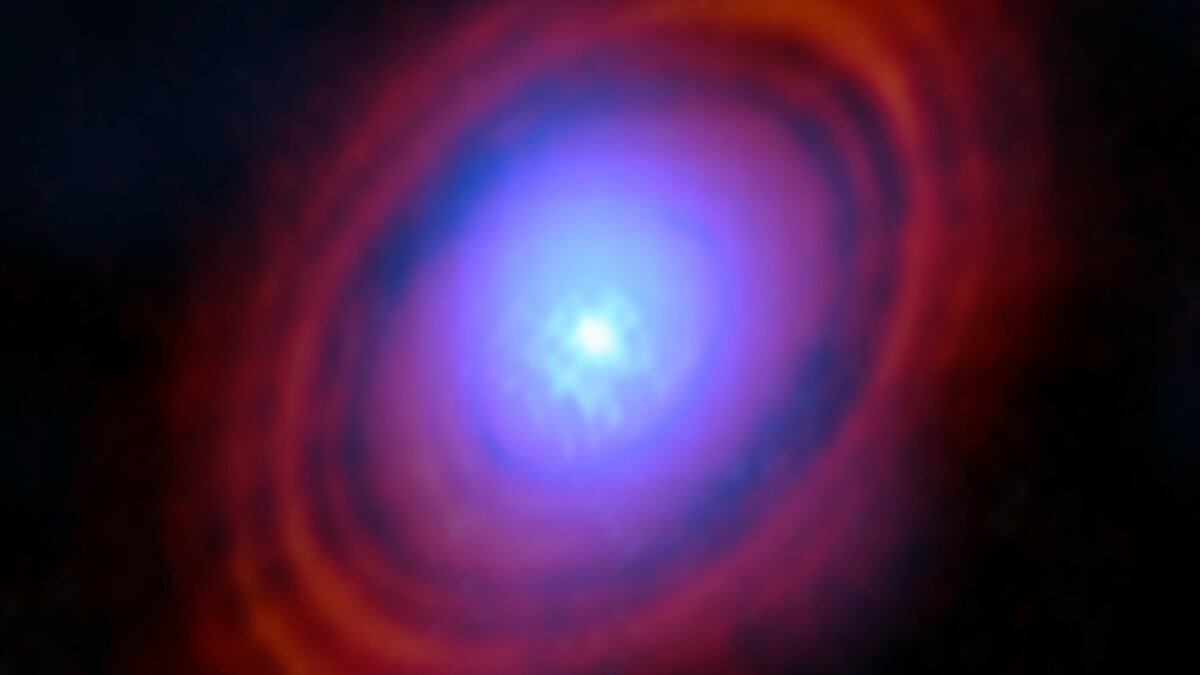
Water vapor has been detected in the disc around a young star, HL Tauri, where planets are likely forming, revealing its potential impact on planet composition. The discovery, made using the ALMA observatory, is significant as water is crucial for life and plays a key role in planet formation. The findings provide detailed images and spatially resolve water vapor at a distance of 450 light-years from Earth, shedding light on the distribution of water in a stable, cool disc, which offers favorable conditions for planet formation. This discovery has implications for understanding planet formation and the role water plays in it, with future upgrades at ALMA and the Extremely Large Telescope set to provide even clearer insights.

"Water-Rich Discoveries: Unveiling the Secrets of Distant Solar Systems and Planet Formation"
astronomy2 years ago

"Water-Rich Discoveries: Unveiling the Secrets of Distant Solar Systems and Planet Formation"

Using the Atacama Large Millimeter/submillimeter Array (ALMA), astronomers have detected vast amounts of water vapor in the protoplanetary disk around the young star HL Tauri, located 450 light-years away. This discovery, detailed in a study published in Nature Astronomy, also revealed a visible gap in the disk where a planet may be forming. The findings suggest the potential for a water-covered planet to develop around HL Tauri, offering insights into the prevalence of watery worlds in the cosmos.

"Vast Water Source Discovered in Cosmic Nursery Around Young Star"
space-science2 years ago

"Vast Water Source Discovered in Cosmic Nursery Around Young Star"

Scientists using the ALMA observatory have discovered an immense presence of water vapor surrounding the young star HL Tauri, located 450 light-years away, which amounts to three times the volume of Earth's oceans. This finding could enhance the potential habitability of planets forming in this region, as it mirrors the conditions present during Earth's formation. The discovery underscores the fundamental role of water in various recent scientific breakthroughs, including the detection of water leaking towards Earth's core and the identification of the oldest water on the planet.

"NASA's Radical Plan: Injecting Ice to Cool Earth and Fight Climate Change"
science-and-environment2 years ago

"NASA's Radical Plan: Injecting Ice to Cool Earth and Fight Climate Change"

NASA and NOAA have proposed a radical plan to combat climate change by seeding the atmosphere with ice particles to freeze water vapor and prevent it from turning into greenhouse gas emissions. The plan involves using high-altitude planes to inject two tons of ice particles into the upper atmosphere each week, aiming to cool the atmosphere by a small amount. While the idea is a part of geoengineering efforts, it is not a substitute for reducing carbon pollution and may have potential side effects, according to some scientists.