Tag

Neuroprotection

All articles tagged with #neuroprotection

Green tea’s EGCG may act as maintenance for brain arteries, reducing white matter lesions in older adults
health2 months ago

Green tea’s EGCG may act as maintenance for brain arteries, reducing white matter lesions in older adults

A large Japanese study links daily green tea consumption to fewer white matter lesions in older adults, suggesting the compound EGCG helps maintain brain artery elasticity. While short-term trials show cognitive benefits, experts caution that tea is not a cure for neurodegenerative diseases and that correlation does not prove causation.


New Study Links Shingles Vaccine to 24% Lower Dementia Risk in Nursing Home Residents
health-and-medicine3 months ago

New Study Links Shingles Vaccine to 24% Lower Dementia Risk in Nursing Home Residents

A large observational study involving over 500,000 older adults found that receiving the Shingrix shingles vaccine was associated with a 24% lower risk of dementia diagnosis over four years. While the study cannot prove causation, it adds to a growing body of evidence suggesting that vaccines may offer neuroprotective benefits beyond preventing the targeted disease. Researchers estimate this reduction could prevent approximately one dementia case for every 17 people vaccinated. The findings align with earlier studies, including a natural experiment in Wales, which found similar protective effects, though experts caution that healthier individuals are more likely to be vaccinated. The study highlights the potential for existing preventive measures to support both physical and cognitive health in aging populations.

Low-dose lithium explored as potential disease-modifying therapy for Alzheimer's
science5 months ago

Low-dose lithium explored as potential disease-modifying therapy for Alzheimer's

New research argues that low-dose lithium, a long-used bipolar disorder drug, may slow Alzheimer's progression by boosting brain resilience and countering neuroprogression, acting on multiple pathways (BDNF, bcl-2, GSK-3) to promote neuroprotection. While traditional psychiatric doses carry risks to kidney and thyroid function, the study suggests much lower doses could offer benefits with fewer side effects, and experts emphasize that rigorous clinical trials are needed before any change in medical practice. The findings fuel interest in repurposing an affordable, widely available drug as part of a multi-target approach to dementia, but caution remains about safety and efficacy in older adults.

Systemic Peptide Therapy Reduces Brain Damage After Stroke in Mice
science10 months ago

Systemic Peptide Therapy Reduces Brain Damage After Stroke in Mice

Researchers tested IKVAV-PA, a peptide-based nanomaterial, in a mouse model of acute ischemic stroke and found that systemic delivery allows the molecules to cross the blood-brain barrier and reduce brain tissue damage, inflammation, and harmful immune responses after reperfusion, indicating potential as an adjunct therapy—though human safety and long-term efficacy remain to be studied.

Switch Reprograms Brain Defenses to Combat Alzheimer's
health11 months ago

Switch Reprograms Brain Defenses to Combat Alzheimer's

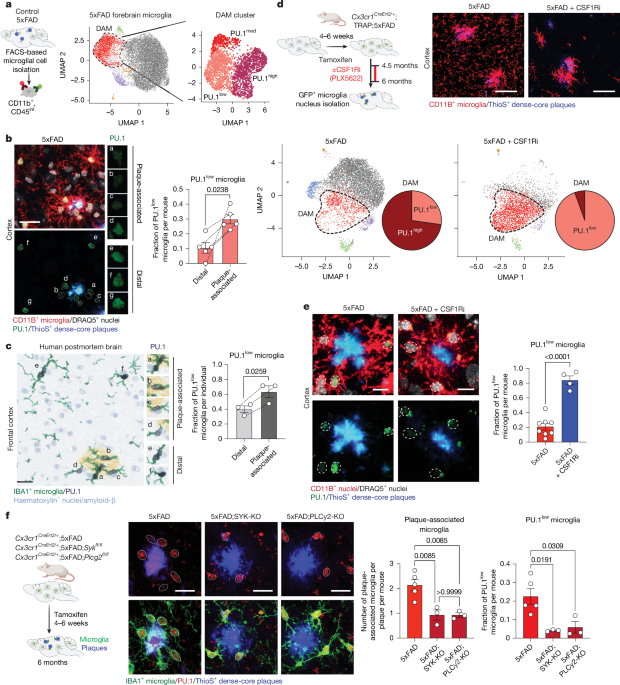
A new study suggests that specific immune cells in the brain called microglia can switch to a protective state that may prevent or slow Alzheimer's disease progression, opening potential avenues for immunotherapy. The research highlights the importance of microglia's plasticity and their role in combating harmful protein buildup associated with Alzheimer's, with implications for future treatments targeting immune cell states.

Neurologist Recommends Vitamin B Complex for Brain Health
health1 year ago

Neurologist Recommends Vitamin B Complex for Brain Health

Emerging research highlights the importance of the full vitamin B complex, including B1, B2, B3, B5, B7, and B9, in supporting brain energy, neurotransmitter synthesis, and potentially slowing cognitive decline. Incorporating B-rich foods like whole grains, leafy greens, nuts, and eggs into your diet can help maintain brain health without supplements, but always consult a healthcare professional before making dietary changes.

Lithium Deficiency Linked to Alzheimer’s and Its Potential as a Treatment
health1 year ago

Lithium Deficiency Linked to Alzheimer’s and Its Potential as a Treatment

A new study suggests that low levels of lithium in the brain are linked to Alzheimer's disease, with findings indicating that lithium naturally occurs in the brain and plays a crucial role in its function. Reduced lithium levels may serve as an early warning sign and a potential target for treatment, as supplementing lithium in animal models reversed brain damage and improved memory, highlighting a promising new approach for Alzheimer's prevention and therapy.