Tag

Personalized Nutrition

All articles tagged with #personalized nutrition

Viome Gut Test Upends My Diet: Avoiding Cruciferous Veggies, Embracing Dairy
health22 days ago

Viome Gut Test Upends My Diet: Avoiding Cruciferous Veggies, Embracing Dairy

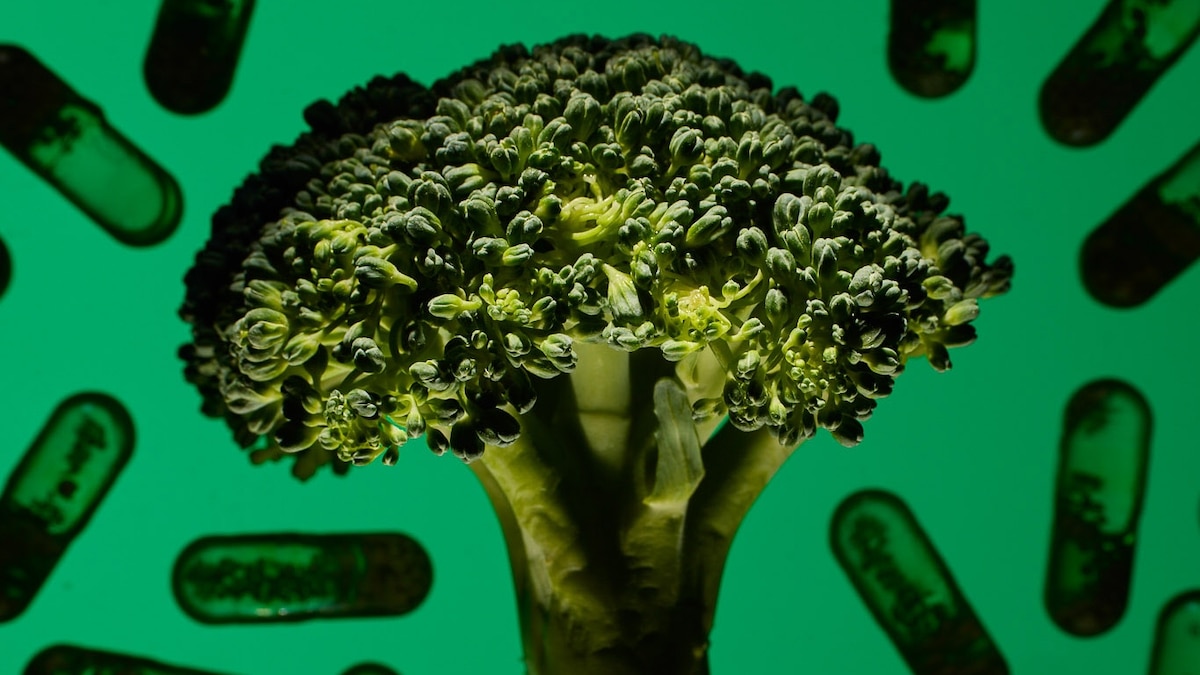
A wellness review of Viome’s Gut Intelligence Test ($279) details an at‑home stool analysis that analyzes 2,500 biomarkers and provides 370 personalized food recommendations. The author is surprised to learn she should avoid cruciferous vegetables due to elevated sulfide gas production and should pair calcium-rich foods with high-oxalate items to improve absorption, with most scores in the green but some red flags. She also starts Viome Precision Supplements (~$169/month) and a Gut Formula probiotic, reporting improved digestion, more energy, and better mood/sleep after a few weeks. The piece concludes the test is worth it for health‑mocused readers willing to change their diet, though it’s not diagnostic and retesting every six months is advised, backed by accessible resources and guidance from Viome.

Lower Protein Intake Could Extend Healthy Aging, Large Review Suggests
health-and-medicine1 month ago

Lower Protein Intake Could Extend Healthy Aging, Large Review Suggests

A review of more than 350 studies finds that eating less protein can improve metabolic function, reduce inflammation and cellular damage, and activate pathways linked to healthier aging and longer life, especially for sedentary adults who may consume more protein than they actually need. While protein supports muscle with exercise, higher intake isn’t universally beneficial, and certain amino acids (like methionine, isoleucine, and valine) may drive aging when consumed in excess. The hormone FGF21 rises when protein is restricted and is thought to aid energy expenditure and glucose regulation. Protein needs vary by age and activity, suggesting personalized guidelines rather than a one-size-fits-all approach. The findings complement existing ideas about calorie restriction and highlight the importance of tailoring protein intake to individual lifestyles.

Meat Intake Tied to Slower Dementia Progress in APOE Risk Carriers
health5 months ago

Meat Intake Tied to Slower Dementia Progress in APOE Risk Carriers

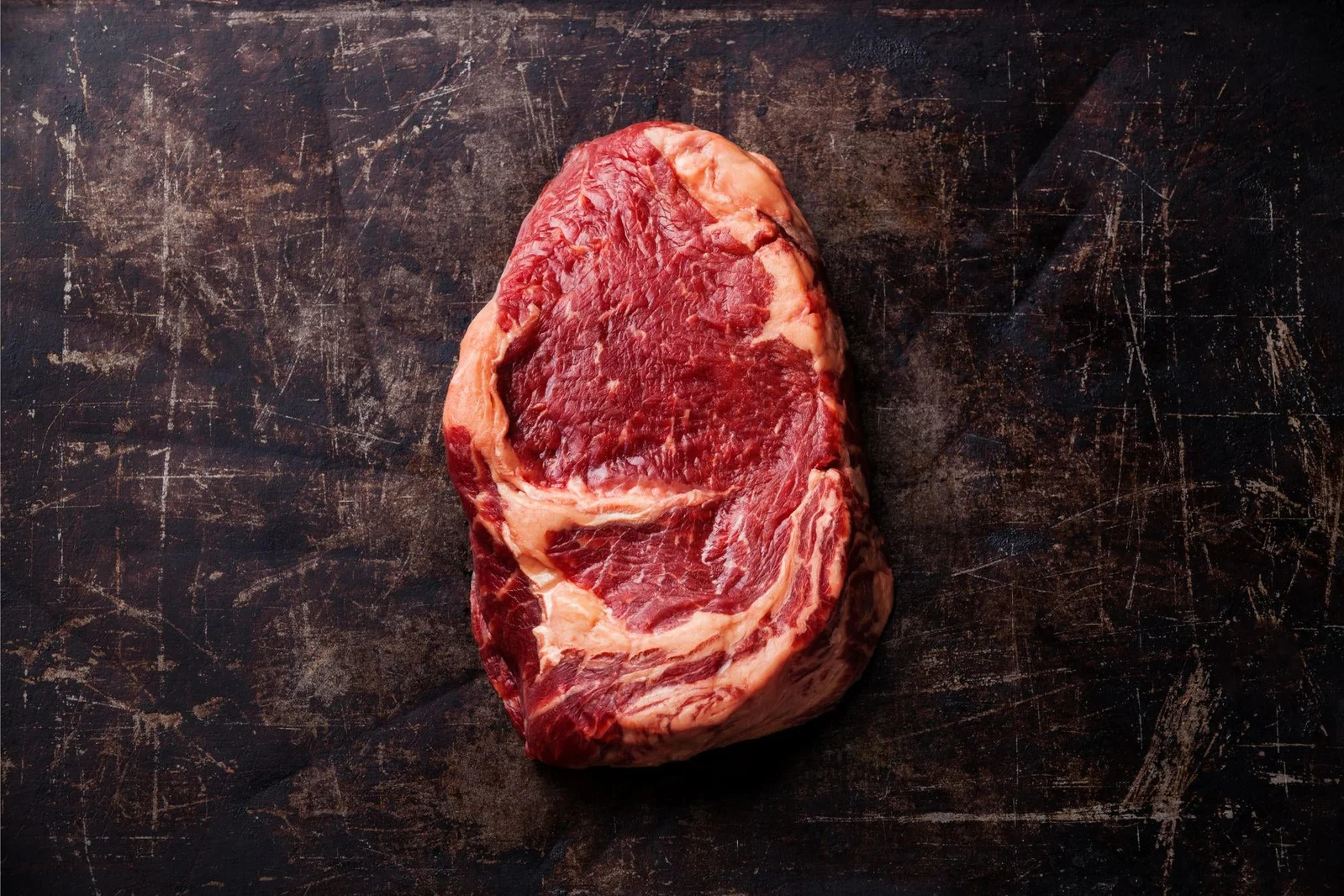
Swedish researchers followed over 2,100 older adults for up to 15 years and found that among APOE 3/4 or 4/4 carriers, higher meat intake was not associated with increased dementia risk and was linked to slower cognitive decline; the strongest signal came from unprocessed meat, with lower processed meat consumption also linked to lower dementia risk. The study is observational, so causality can’t be established, and researchers call for trials to develop genotype-guided dietary recommendations.

Black Gold: The Vitamin-Rich Fruit for Blood Sugar and Pressure Control
health-and-nutrition8 months ago

Black Gold: The Vitamin-Rich Fruit for Blood Sugar and Pressure Control

Aronia berries, also known as black chokeberries, are rich in polyphenols and may support gut health, reduce inflammation, and improve blood sugar and blood pressure, with benefits potentially varying based on individual gut microbiomes. Scientific studies suggest they could be a valuable addition to a healthy diet, especially during dietary stress, though more research is needed to determine optimal consumption.

How Your Gut Microbiome Influences Food Digestion
health1 year ago

How Your Gut Microbiome Influences Food Digestion

A study by the University of Copenhagen reveals that individual differences in gut physiology and environment significantly influence digestion, nutrient absorption, and gut microbiome composition. Using a smart capsule to track gut conditions, researchers found variations in digestion time and pH levels among individuals, highlighting the need for personalized dietary strategies. This research underscores the uniqueness of each person's gut environment and its impact on health outcomes.

Mediterranean Diet Boosts Survival Rates for Cancer Survivors
health2 years ago

Mediterranean Diet Boosts Survival Rates for Cancer Survivors

A study from Italy suggests that adhering to a Mediterranean-style diet may significantly lower the risk of mortality, particularly from cardiovascular diseases, among long-term cancer survivors. The diet, rich in fruits, vegetables, legumes, and healthy fats, appears to benefit heart health and potentially manage cancer. However, experts recommend personalized nutrition advice for the best outcomes, as the study's observational nature and specific population limit its generalizability.

"Genetics Influence Health Outcomes in Vegetarians"
health2 years ago

"Genetics Influence Health Outcomes in Vegetarians"

A study from the University of Georgia, published in PLoS Genetics, reveals that genetic variations significantly influence individual health outcomes on a vegetarian diet. While vegetarians generally have lower cholesterol and reduced risks of heart disease and Type 2 diabetes, they may also experience lower Vitamin D levels and higher triglycerides. The research underscores the importance of personalized nutrition, considering genetic factors to optimize health, and identifies specific gene variants that affect calcium metabolism, hormone levels, and kidney function.

"9 Essential Supplements Recommended by a Human Performance Scientist"
health-and-wellness2 years ago

"9 Essential Supplements Recommended by a Human Performance Scientist"

Human performance scientist Andy Galpin shares the nine supplements he takes daily for gut, brain, and muscle health, emphasizing a personalized approach based on regular blood tests and specific health goals. His regimen includes a multivitamin, fish oil, creatine, collagen, magnesium, Rhodiola Rosea, green tea extract, vitamin D, and L-Glutamine. While he advocates for a food-first approach, Galpin believes supplements can enhance performance and optimize health, though they are not a cure-all. He advises consulting a medical professional before starting any new supplement.

"Customized Microgreens: Tailoring Iodine and Potassium Content in Radishes, Peas, Arugula, and Chard"
science-and-technology2 years ago

"Customized Microgreens: Tailoring Iodine and Potassium Content in Radishes, Peas, Arugula, and Chard"

Researchers in Italy have successfully cultivated microgreens with customized nutritional profiles, focusing on iodine and potassium content, to cater to individual dietary requirements. The study, published in the Journal of the Science of Food and Agriculture, outlines a blueprint for soilless cultivation of nutritionally enriched plants in a commercial greenhouse setting. By tailoring nutrient solutions for plant growth, the team produced microgreens with significantly higher iodine content and a 45% reduction in potassium levels, addressing the needs of individuals with specific dietary requirements, such as those with chronic kidney disease. This development opens new perspectives for the production of healthier and nutritionally biofortified vegetables.

"Reassessing Health and Fitness Tracker Metrics for Accuracy"
health-and-wellness2 years ago

"Reassessing Health and Fitness Tracker Metrics for Accuracy"

Despite the booming fitness tracking industry and the widespread use of health data, the accuracy and relevance of the data are questionable, leading to ineffective outcomes in improving health. The author suggests that a more mindful approach to health data is necessary, emphasizing the need for accurate, relevant, and actionable data. While acknowledging the potential benefits of certain health technologies, the author advocates for a "data diet," where individuals use data as a means to an end rather than a source of validation, and prioritize listening to their bodies and focusing on holistic well-being.

"Taste Buds Uniquely Shape Our Food Preferences: The Influence of 'Tongue Prints'"
health-and-science2 years ago

"Taste Buds Uniquely Shape Our Food Preferences: The Influence of 'Tongue Prints'"

A study analyzing 3D images of human tongues suggests that each person may have a unique "tongue print" similar to fingerprints. The research could provide insights into why people have varied food preferences and help design healthier alternatives to fatty or sugary foods. The study found that a single papilla could predict someone's gender and age with moderate accuracy, and even identify specific individuals with about 48% accuracy. Understanding the distribution of papillae and their correlation with medical conditions could offer new insights, while personalized foods could be designed based on individual tongue features.

"Exploring the Potential of Avocados for Blood Sugar Control in Diabetes"
health2 years ago

"Exploring the Potential of Avocados for Blood Sugar Control in Diabetes"

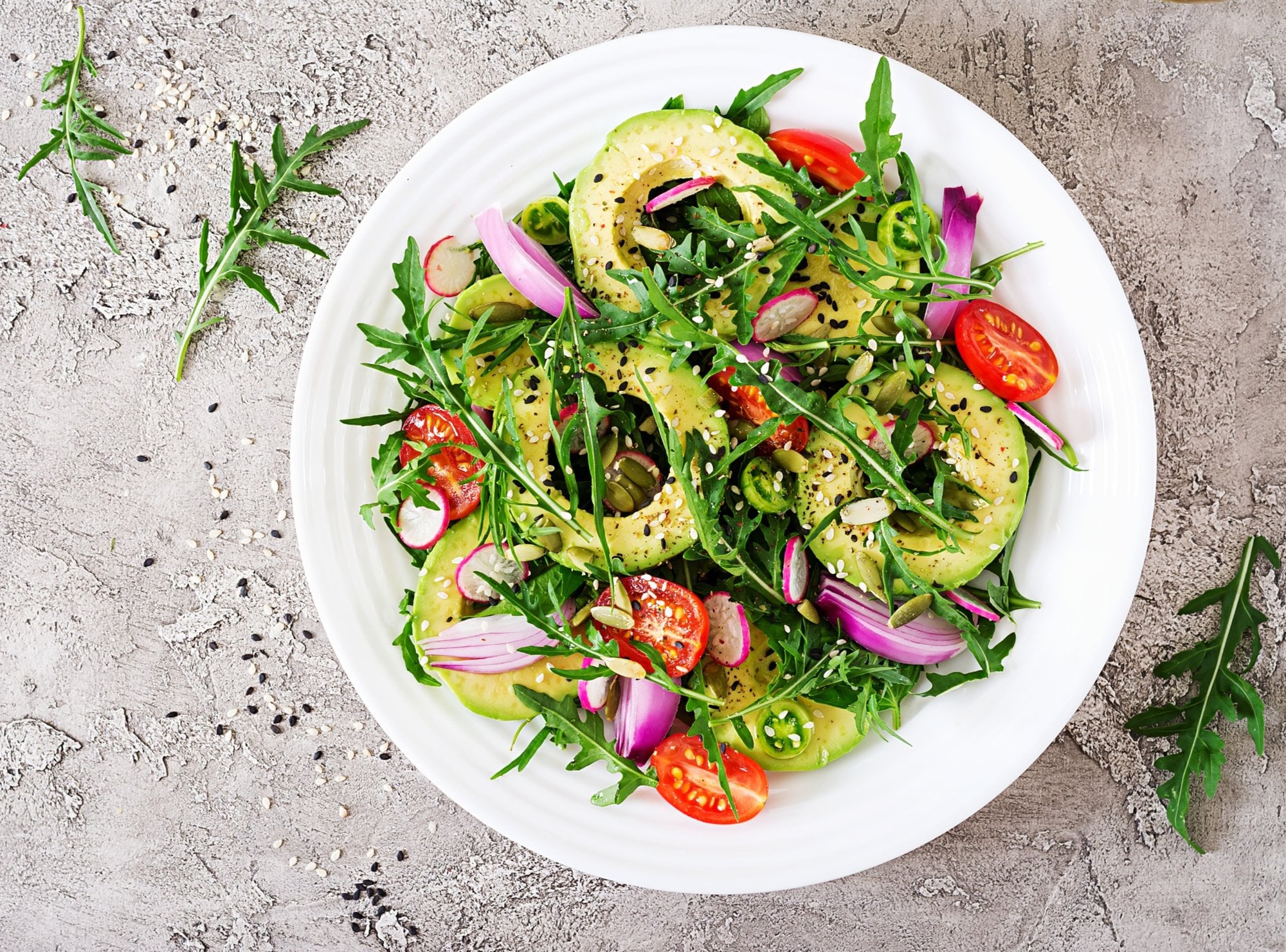
A new study suggests that consuming avocados may improve blood sugar control for some individuals, leading to a lower risk of type 2 diabetes. The study identified a metabolic biomarker associated with avocado intake, which was linked to decreased fasting glucose and insulin levels. However, the correlation between avocado consumption and lower fasting insulin became nonsignificant when body mass index (BMI) was considered. The findings highlight the potential of personalized nutrition and metabolomics in identifying foods that can benefit an individual's health. Avocados are rich in fiber and monounsaturated fatty acids, which can help regulate blood sugar levels.

Unforeseen Health Gains: My Experience with the Carnivore Diet
health2 years ago

Unforeseen Health Gains: My Experience with the Carnivore Diet

Anthony Girouard, a long-time diagnosed diabetic, tried the carnivore diet and experienced unexpected health benefits. He saw improvements in his diabetes management, mental clarity, and lost 30 pounds in weight. While the initial adjustment period was challenging, he found the simplicity and convenience of the diet appealing. Additionally, he noticed improvements in his sleep quality, reduction in inflammation, and was able to stop taking diabetes medication. However, he also developed a sensitivity to other foods, experiencing issues when deviating from the all-meat diet. Girouard emphasizes the importance of personalized nutrition and consulting with a healthcare professional before making any dietary changes.