A new study finds AI is rapidly adopted by scientists, saving nearly 7 hours per week, but shifts bottlenecks toward hypothesis verification. While AI excels at data processing and pattern recognition, its ability to generate novel hypotheses remains debated, with some experts arguing it lacks human-like abductive reasoning.
A new wave of AI tools is transforming physics by automating experimental design and accelerating theoretical calculations, yet significant concerns remain regarding intellectual property, attribution, and the necessity of human oversight. While some researchers embrace AI for optimizing complex setups, others argue that the core skills of physics require human intuition and ethical standards that current models cannot yet uphold.
A new study demonstrates that the fossil record is inherently biased, leading to significant errors in reconstructing evolutionary history. By simulating the fossilization of modern mammals, researchers showed that future scientists would misinterpret current biodiversity and lineage relationships. The study highlights that factors like body size, geographic range, and hard body parts determine which species are preserved, meaning our current understanding of the past may be similarly skewed by these non-random preservation biases.
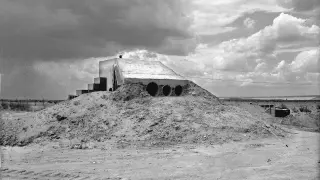
A new book by Emily Seyl details how Manhattan Project scientists meticulously prepared to measure the yield and effects of the first nuclear detonation, prioritizing data collection over the visual spectacle of the explosion.
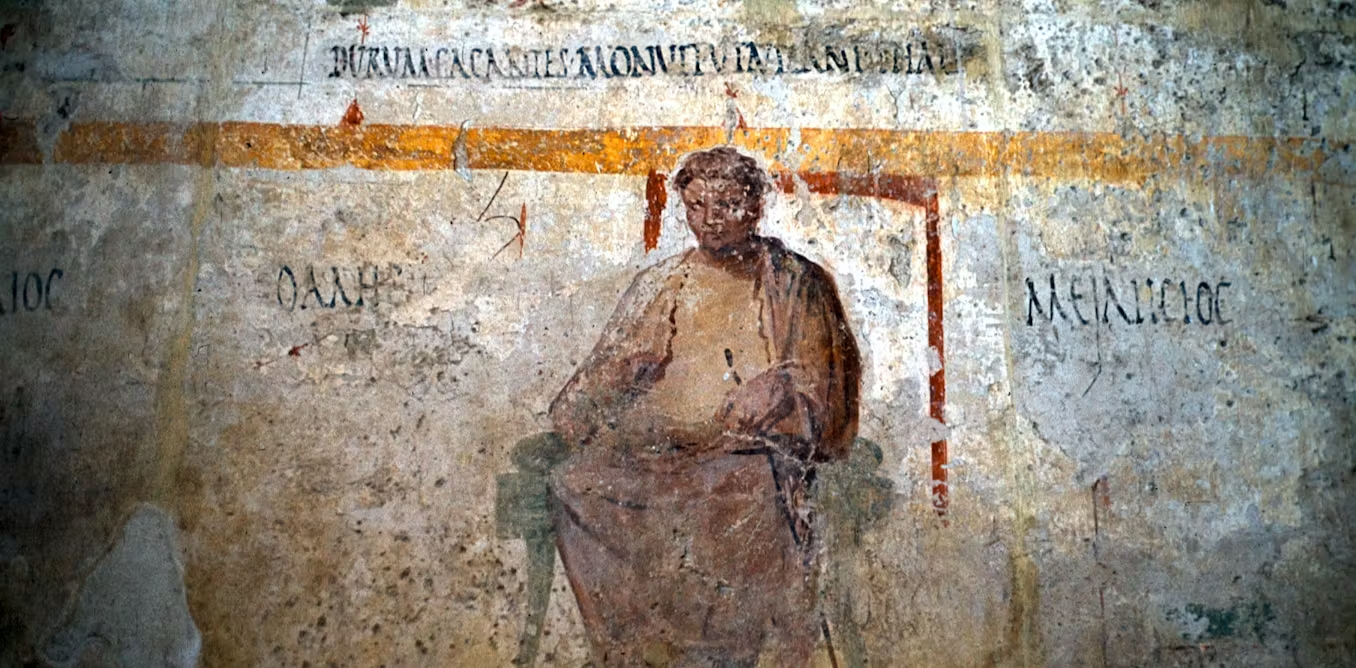
Ancient Greek and Roman scientists faced similar challenges with misinformation as today, emphasizing the importance of observation, critical thinking, acknowledging limits, understanding science as part of culture, and making science accessible to all, lessons that remain relevant in navigating modern misinformation.
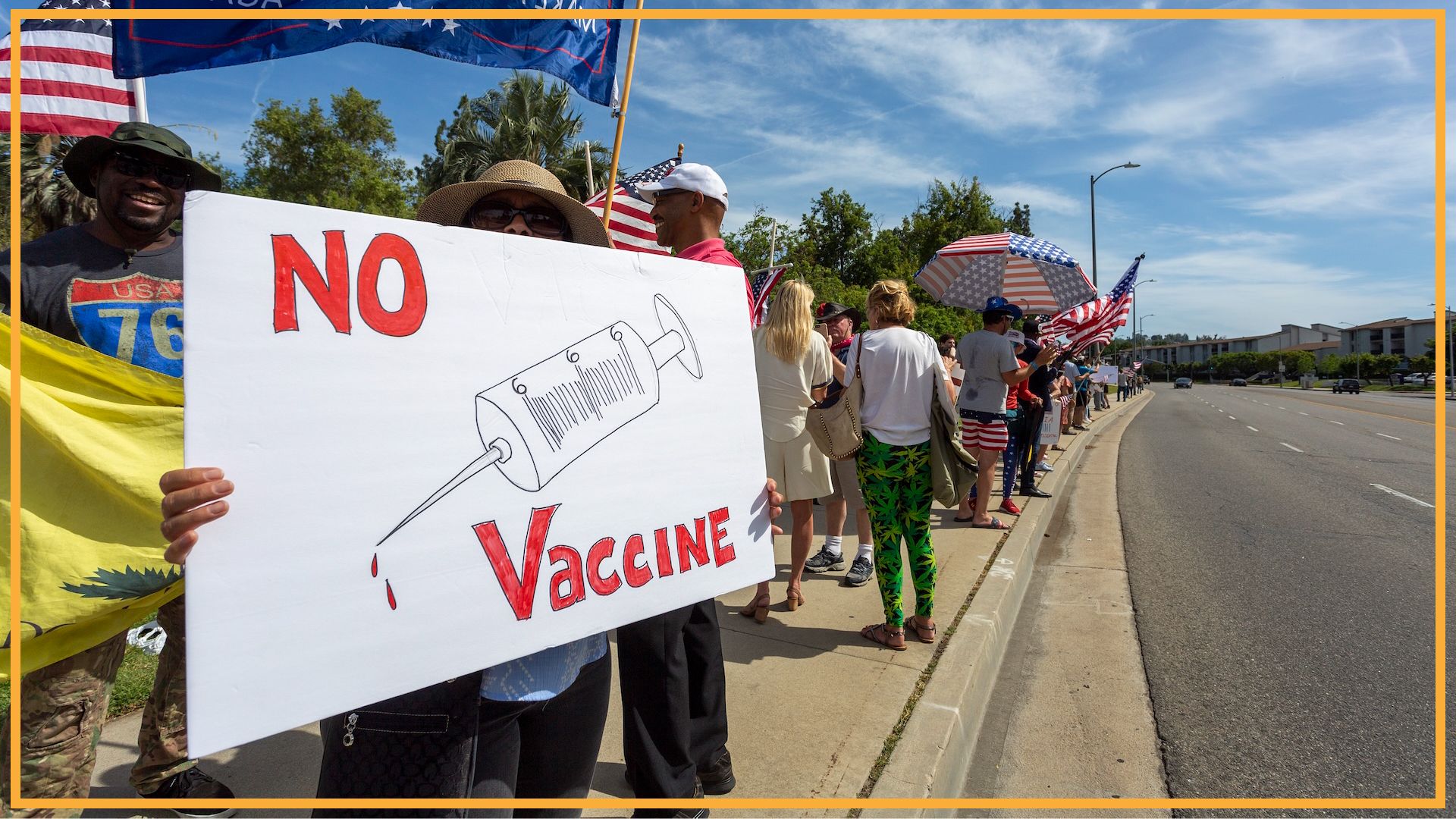
Research led by Dr. Gideon Lack overturned the long-held belief that avoiding peanuts in infancy prevents allergies, showing that early exposure actually reduces the risk of developing peanut allergies, leading to updated guidelines and a decline in allergy rates among children.
The article explains that the phrase 'science is never settled' is often used to dismiss scientific consensus, but in reality, many scientific theories, like evolution and germ theory, are well-established within their domains. It emphasizes that scientific knowledge evolves through evidence and testing, and while uncertainty is inherent, some conclusions are robust enough to be considered settled, contrary to populist claims that seek to undermine scientific truths.
The article discusses the importance of critical thinking, scientific skepticism, and humility in understanding the world, highlighting Carl Sagan's work and the challenges of overcoming cognitive biases and magical thinking in human nature.
Annaka Harris explores the nature of consciousness, arguing it may be fundamental rather than emergent from neural complexity, and discusses how new scientific approaches and experiences could revolutionize our understanding of the mind and perception.
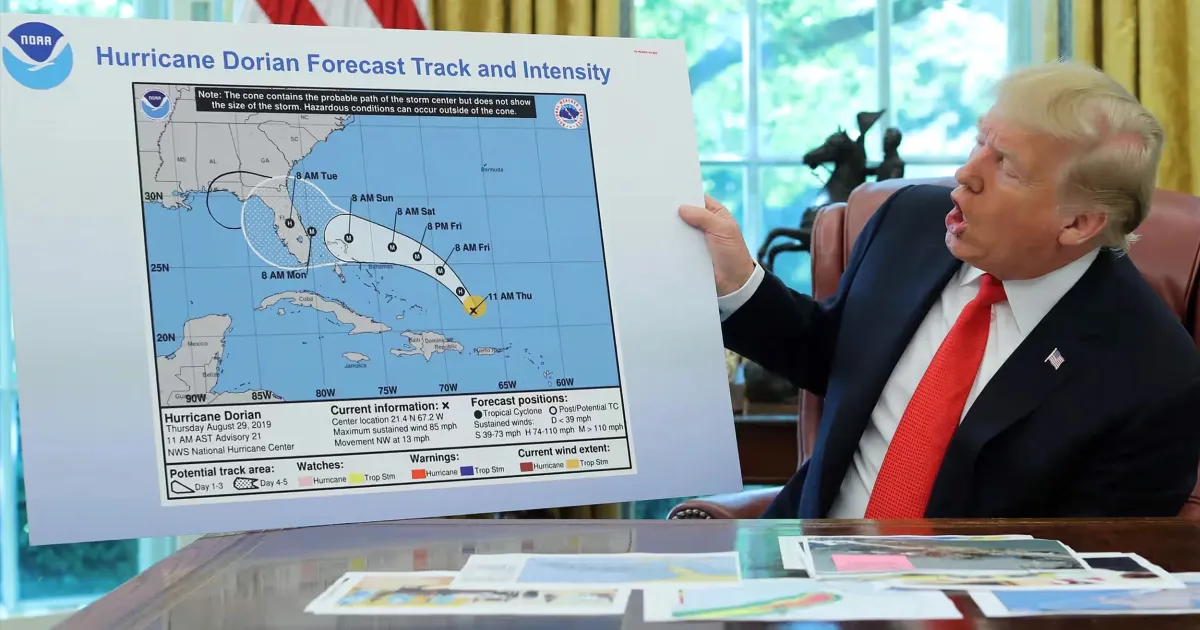
The article clarifies that the often-misattributed quote 'If the facts don’t fit the theory, change the facts' is not from Einstein, who actually emphasized the importance of adhering to facts and evidence. It discusses how modern society, including scientific institutions, sometimes misrepresents or dismisses facts to support preferred narratives, highlighting the importance of critical thinking, evidence-based reasoning, and the scientific method to discern truth from misinformation.
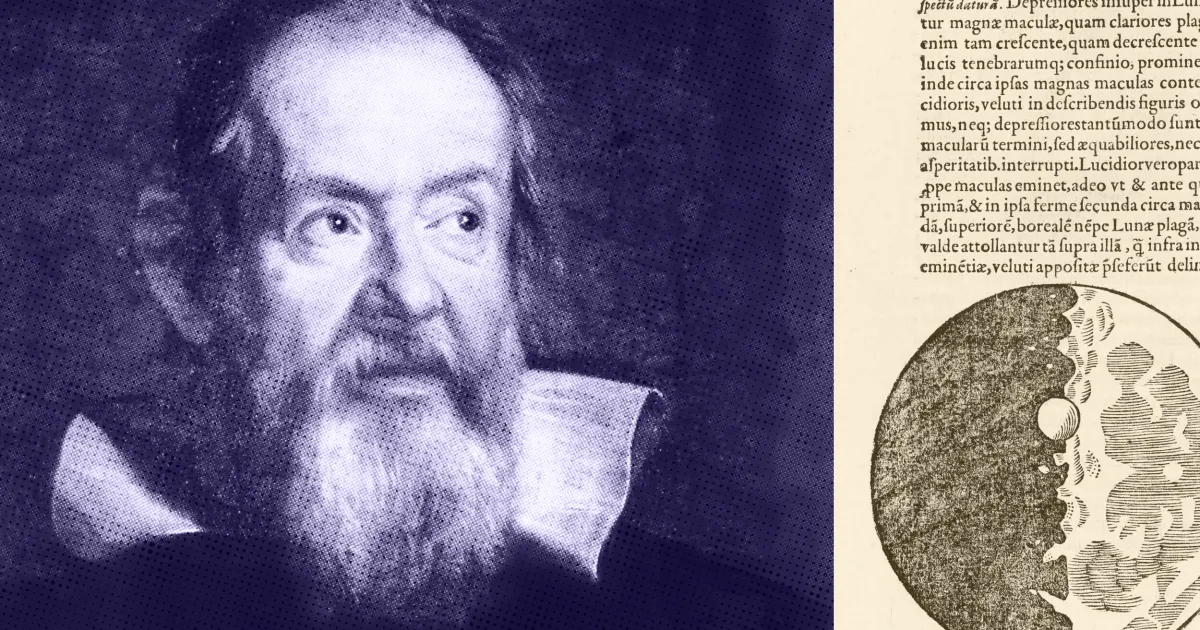
A visit to the Galileo Museum in Florence left the author in awe of the historical significance of Galileo's original experiments, which laid the foundation for modern science. The museum showcases artifacts like the inclined plane and telescopes used by Galileo, highlighting the painstaking efforts that led to groundbreaking discoveries in physics and astronomy. The experience underscored the long, complex journey of scientific progress and its impact on shaping a world free from superstition, while also reminding us of our responsibility to build on this legacy in addressing contemporary challenges like climate change.
At a London forum hosted by Google DeepMind and the Royal Society, scientists emphasized the potential of AI to transform scientific research, from drug discovery to disaster forecasting, as a means to build public trust in the technology. However, they cautioned against the rapid pace of AI development, which may conflict with the thoroughness of the scientific method. Concerns were raised about the reproducibility of AI-driven discoveries and the need to accurately attribute human agency in AI research. Efforts to use AI for practical solutions, like disease curing, were highlighted as ways to enhance trust.
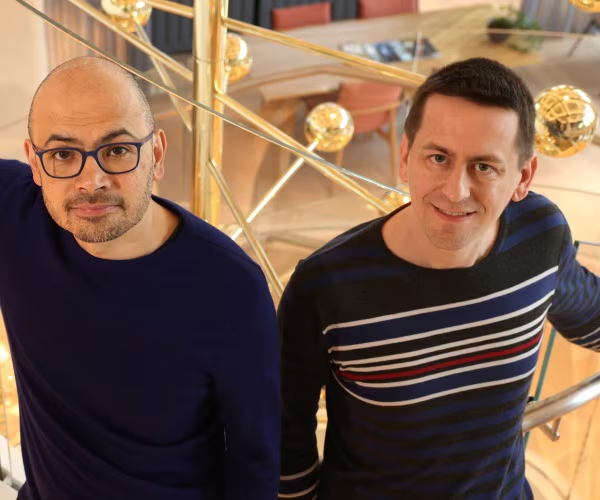
Scientists are advocating for increased trust in AI, highlighting its potential to drive innovation and solve critical issues like disease treatment and disaster prediction. DeepMind CEO Demis Hassabis emphasized AI's role in scientific advancement, citing its transformative power and the importance of the scientific method. Despite the rapid pace of AI development, experts urge caution to ensure responsible adoption.
Throughout history, humanity has used both top-down (a priori) and bottom-up (a posteriori) reasoning to gain knowledge about the world. However, science has shown that no amount of logical reasoning can substitute for empirical knowledge. Three examples illustrate how logic and reasoning alone are insufficient in science: the nature of light, the age of the Earth, and Einstein's cosmological constant. These cases demonstrate that the only way to gain meaningful knowledge of the Universe is by asking quantitative questions that can be answered through experiment and observation.
Machine ethicist Thomas Krendl Gilbert sparked a debate when he referred to today's AI as "alchemy" rather than science, with some agreeing and others disagreeing. Yann LeCun, Meta's chief AI scientist, disagreed with the characterization, arguing that deep learning belongs to engineering science. However, even Ilya Sutskever, co-founder and chief scientist of OpenAI, has referred to deep learning as "alchemy," describing it as a process of refining data into neural networks. Gilbert argues that deep learning is motivated more by metaphors than a clear understanding of intelligence, and that the field is now controlled by builders who have supercharged computational architectures, leading to empirical results that are unmoored from cognitive science. He suggests that the discussion should focus on reimagining intelligence and embracing the mystery rather than strictly framing it as a scientific problem.