Tag

Therapeutics

All articles tagged with #therapeutics

Precision moves in MASH: a new era of tailored therapies
health1 day ago

Precision moves in MASH: a new era of tailored therapies

This Nature review maps the current and future treatment landscape for metabolic dysfunction‑associated steatohepatitis (MASH), noting that recent approvals (resmetirom and semaglutide) mark an inflection point for non‑cirrhotic disease and fibrosis. It highlights MASH heterogeneity with liver‑centric and cardiometabolic subsets, arguing that optimal therapy will need stratified or combinatorial approaches that target metabolic dysfunction, fibrogenesis, inflammation, and the gut–liver axis, alongside lifestyle modification. Advances in disease phenotyping and biomarkers are seen as enabling a shift toward personalized, mechanism‑driven therapy.

Protein Map of Autism Genes Points to Broad Treatment Targets
health2 days ago

Protein Map of Autism Genes Points to Broad Treatment Targets

A UCSF-led study mapped proteins encoded by 100 autism-risk genes to create the largest atlas of autism-related molecular interactions, revealing that disruptions often hit shared protein complexes and suggesting therapies could target these hubs rather than individual genes, potentially benefiting many individuals with autism, including those with rare mutations.

GLP-1 meds: Could their benefits extend far beyond weight loss?
health7 days ago

GLP-1 meds: Could their benefits extend far beyond weight loss?

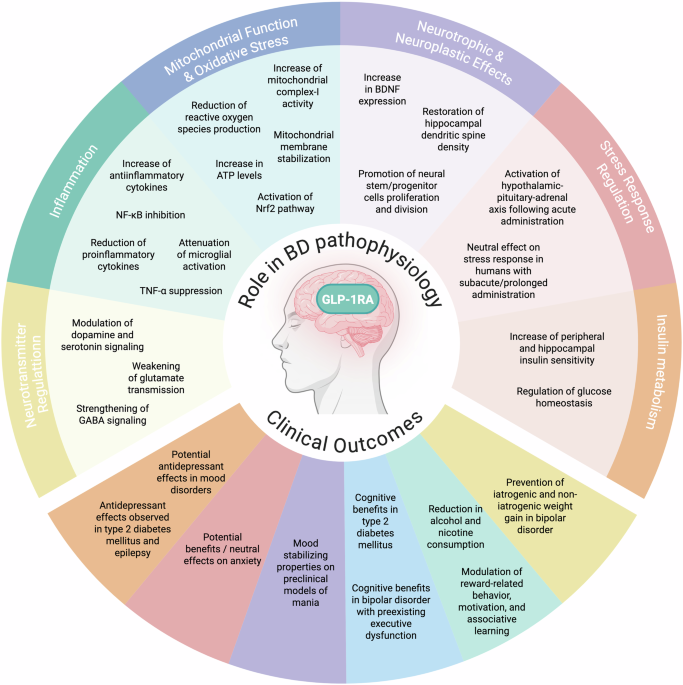
GLP-1 receptor agonists, first developed for type 2 diabetes and now effective for obesity, have earned approvals for cardiovascular disease, chronic kidney disease, sleep apnea, and metabolic liver disease. Researchers are exploring broader uses, from substance use disorders to brain injury, but it's unclear how much of the benefit comes from weight loss versus other biological effects. Trials show cardiovascular risk reduction, yet many do not parse the exact mechanisms, underscoring the need for biomarker-guided, risk-balanced evaluation of GLP-1 therapies’ expanding reach.

Rare FNIP1 mutation acts like a GLP-1 drug, boosting fat burn and lowering disease risk
science1 month ago

Rare FNIP1 mutation acts like a GLP-1 drug, boosting fat burn and lowering disease risk

In a study of over a million people, researchers found a rare loss‑of‑function FNIP1 mutation carried by about 150 individuals (roughly 1 in 7,000) that causes faster energy burning and less fat storage, with carriers exhibiting lower lipids, less liver fat, lower blood sugar, more muscle, and about 60% lower odds of obesity, diabetes and related diseases. Lab work showed silencing FNIP1 in liver cells activates fat‑burning genes, and mice on a fatty diet with FNIP1 pathway inhibition gained less weight and had better insulin sensitivity. The work suggests FNIP1 could be a target for drugs that mimic these effects, but safety concerns remain—especially with two broken copies—and researchers note any therapy would be years away and may require liver‑focused approaches.

Alzheimer’s sleep breakthrough: brain immune cells offer new therapeutic angle
health-and-medicine1 month ago

Alzheimer’s sleep breakthrough: brain immune cells offer new therapeutic angle

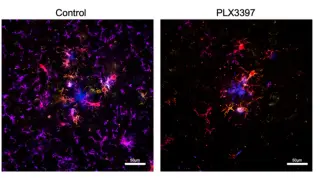
UK researchers report that brain immune cells called microglia drive sleep loss in Alzheimer’s; in a mouse model, turning off microglia restored about two hours of restorative sleep and could help detect early disease and slow progression, signaling a shift from neuron-focused treatments toward targeting microglia with future human trials.

Beyond Serotonin: The Comprehensive Brain Engagement of Psychedelics
science1 year ago

Beyond Serotonin: The Comprehensive Brain Engagement of Psychedelics

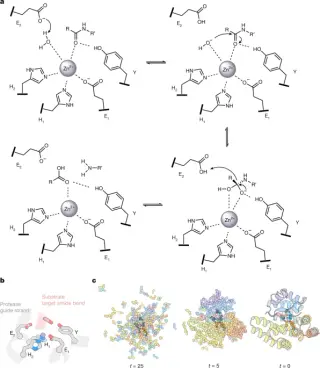
A new study reveals that psychedelics like LSD, psilocybin, and mescaline interact with a wide range of neural receptors beyond just serotonin, engaging multiple pathways that may explain their complex effects and therapeutic potential. These compounds activate numerous serotonin, dopamine, and adrenergic receptors, stimulating diverse intracellular signaling pathways, which could allow for the development of targeted, non-hallucinogenic therapies for mental health conditions. The findings highlight the intricate pharmacology of psychedelics and their potential for precision medicine in neuropsychiatry.

"Genetic and Cellular Insights into Brain Disorders Unveiled"
neuroscience2 years ago

"Genetic and Cellular Insights into Brain Disorders Unveiled"

A UCLA-led study has provided the most detailed view yet of the biological mechanisms underlying autism, linking genetic risk to cellular and genetic activity in the brain. Using single-cell assays to analyze over 800,000 nuclei from post-mortem brain tissue, researchers identified major cortical cell types affected by autism and specific transcription factor networks driving these changes. These findings offer a framework for understanding molecular changes in autism and could lead to new therapeutic approaches.

"Breakthrough Discovery: Memory B Cells Unveiled as Key to Tackling Allergies"
health2 years ago

"Breakthrough Discovery: Memory B Cells Unveiled as Key to Tackling Allergies"

Researchers from McMaster University and ALK-Abello A/S have identified a new type of memory B cell, MBC2, that specifically remembers allergies, providing a potential target for treating allergies and developing new therapeutics. The discovery, published in Science Translational Medicine, sheds light on how the immune system remembers allergens and produces antibodies that cause allergic reactions. This breakthrough could lead to new approaches for treating allergies, such as targeting and eliminating MBC2 cells or modifying their function to prevent harmful allergic responses.

"Unlocking the Secrets of Longevity: From Cold Showers to Healthspan Restoration"
health-and-science2 years ago

"Unlocking the Secrets of Longevity: From Cold Showers to Healthspan Restoration"

Life Biosciences is focused on targeting the underlying biology of ageing to restore and prolong healthspan, defined as the number of healthy years lived. By addressing biological mechanisms of ageing, such as epigenetic modifications, the company aims to develop therapeutics that can reverse ageing and treat age-related diseases. Their lead program utilizes partial epigenetic reprogramming to treat age-related optic neuropathies, with plans to initiate human clinical trials in 2025. Additionally, they are exploring the potential of cellular rejuvenation in treating neurodegenerative diseases and other age-related conditions.

"Breakthrough Treatment for COVID-19 Brain Fog Unveiled by Queensland Scientists"
health2 years ago

"Breakthrough Treatment for COVID-19 Brain Fog Unveiled by Queensland Scientists"

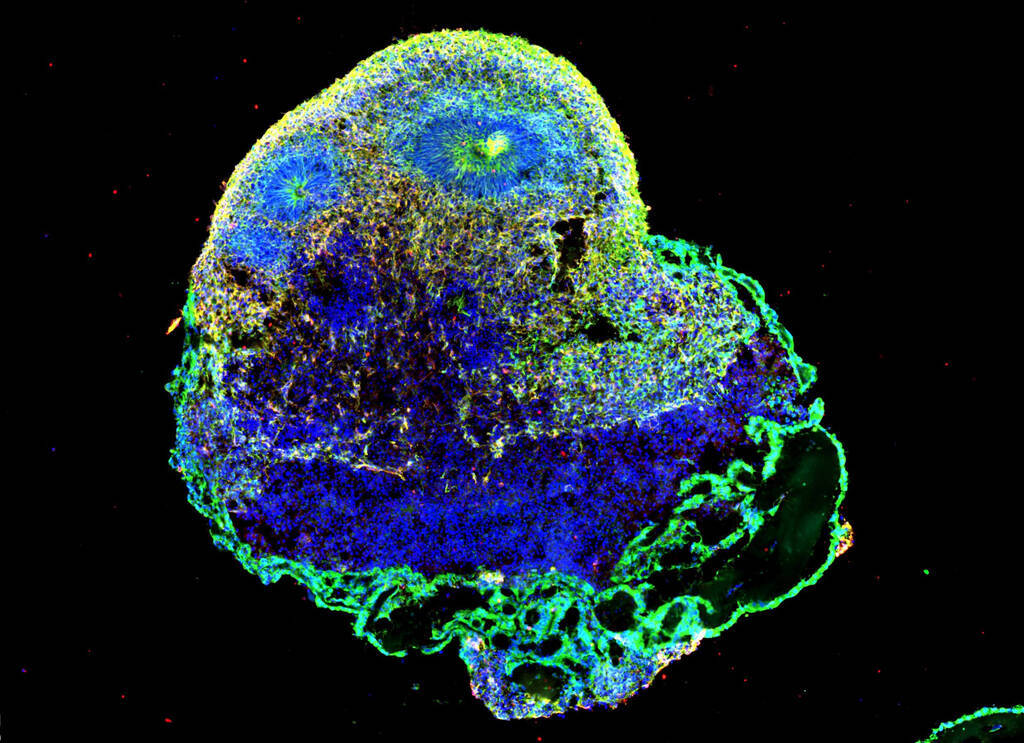
Researchers at the University of Queensland have discovered that COVID-19 accelerates the accumulation of senescent cells in the brain, which contribute to premature aging and cognitive impairments. Using synthetic brain organoid models, they identified four drugs that selectively eliminate these cells caused by COVID-19, rejuvenating the brain and reducing neurodegenerative symptoms. The study provides insights into the relationship between viral infections, aging, and neurological well-being, and could lead to the development of treatments for post-acute infection syndromes and neurodegenerative diseases.

health2 years ago

"Latest Living Guideline for COVID-19 Therapeutics Released"

The World Health Organization (WHO) has released its updated living guideline on therapeutics for the treatment of COVID-19, providing the most current recommendations based on emerging evidence. The guideline is available in PDF format and through an online platform, with separate documents for drugs to prevent COVID-19 and clinical management of COVID-19 patients. The latest version, published on 10 November 2023, includes important updates to recommendations.