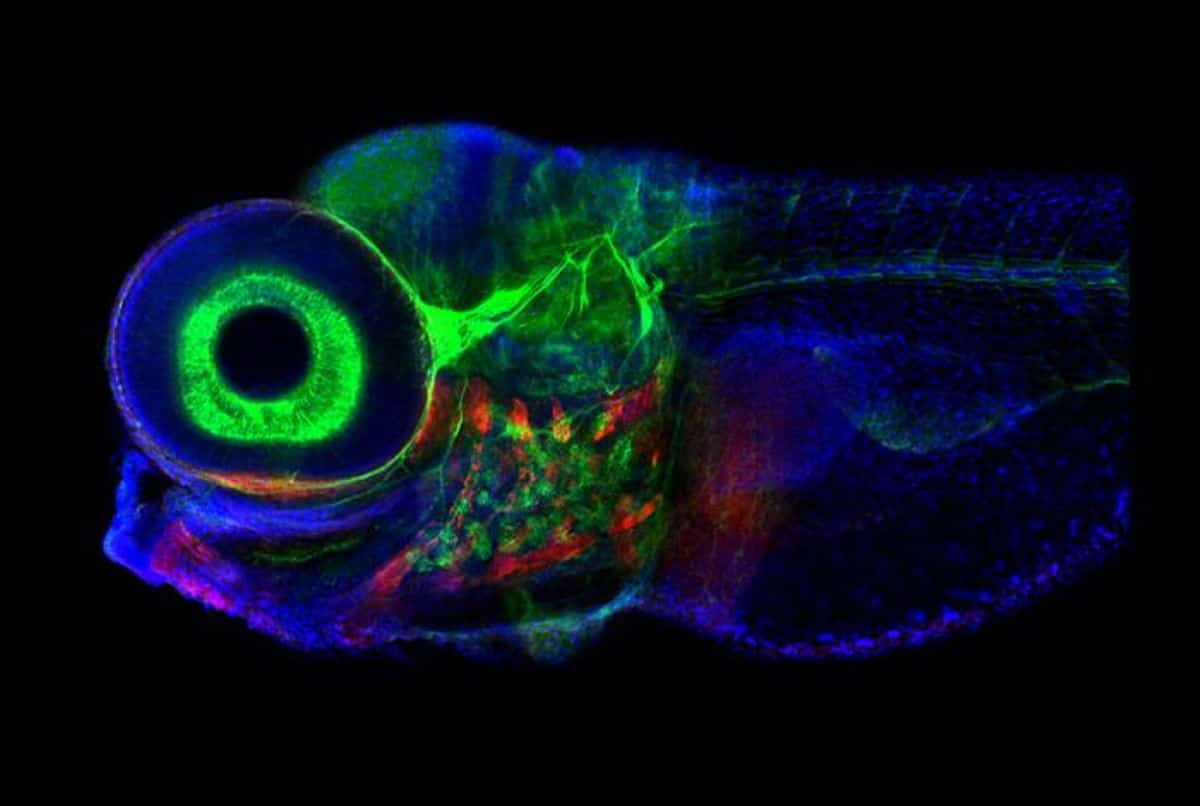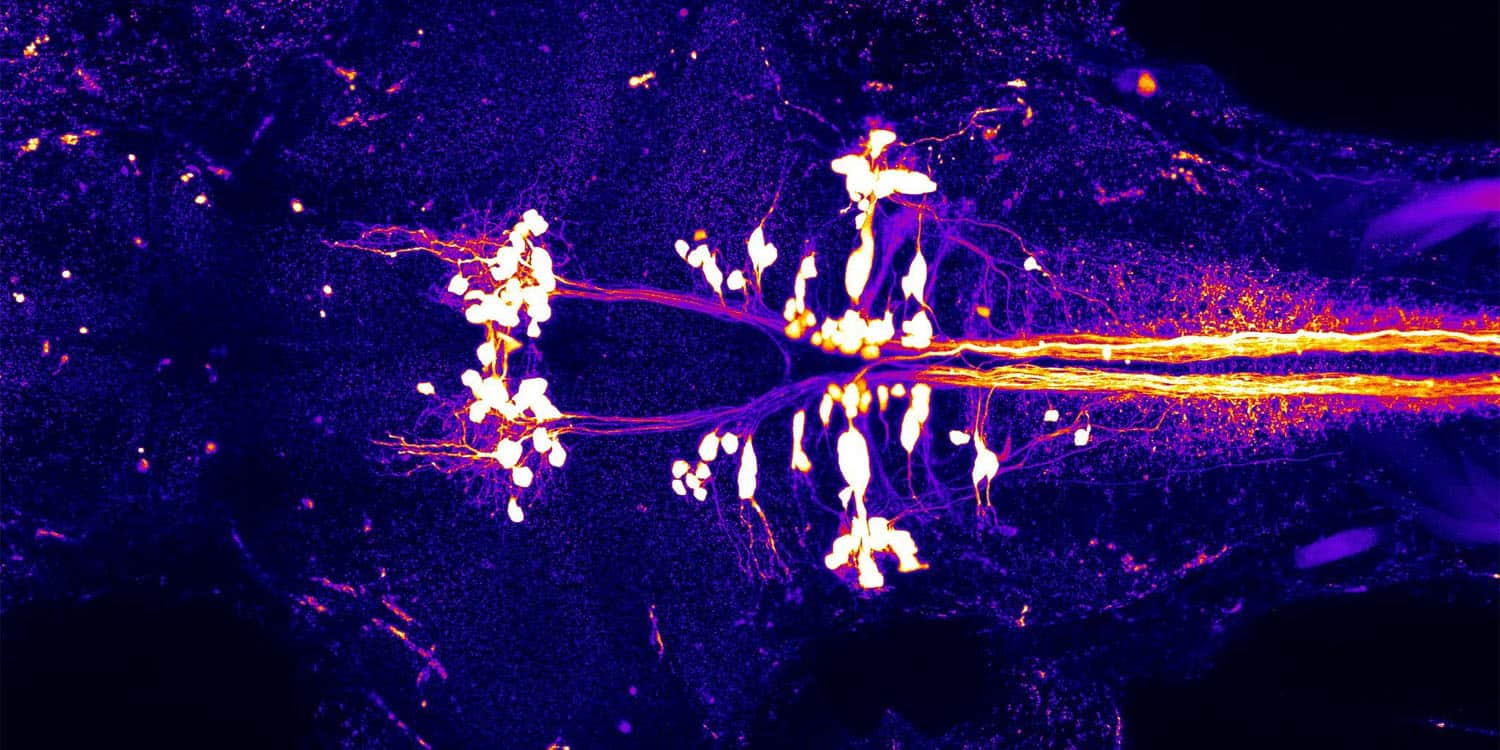
New WHOLISTIC Imaging Reveals Body-Wide Cellular Circuits in Transparent Vertebrates
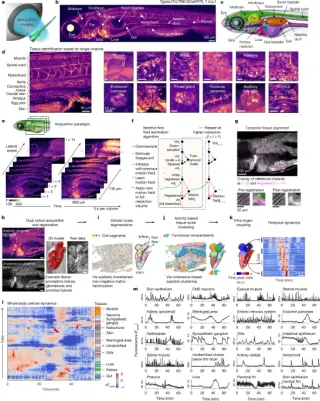
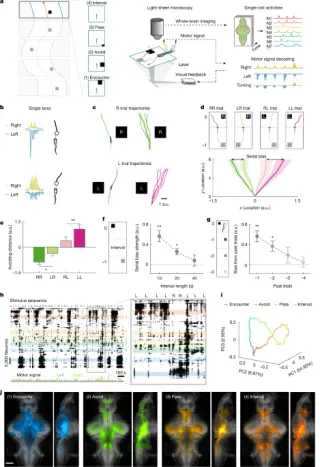
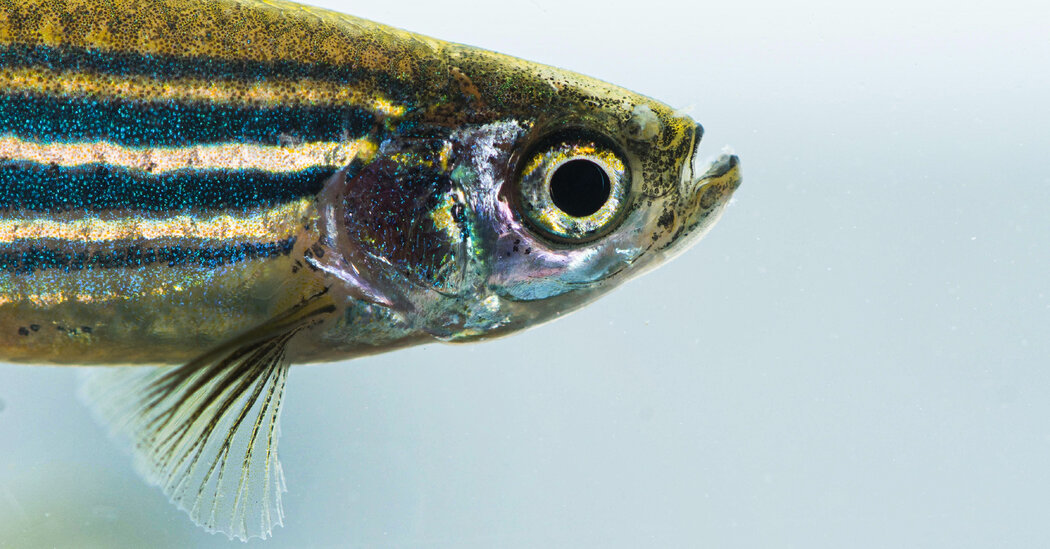
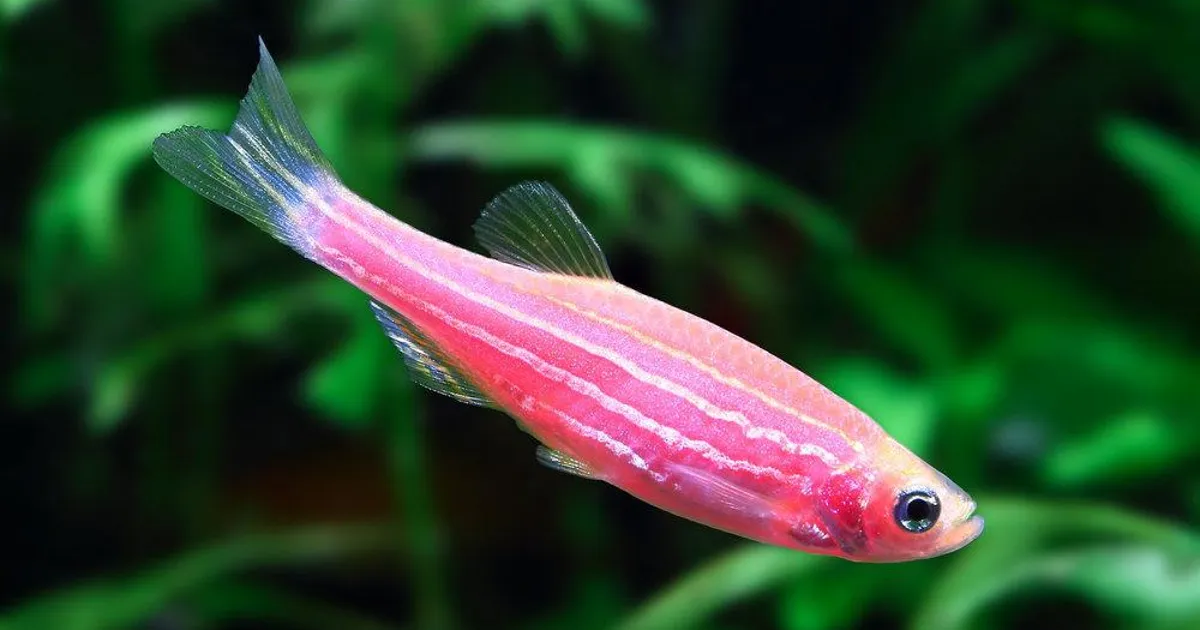
Researchers have developed a new imaging technique called WHOLISTIC that allows scientists to observe cellular communication across an entire living vertebrate body simultaneously. By using genetically engineered transparent fish, the method captures real-time calcium activity in nearly every cell, revealing previously unknown interactions between organs, muscles, and the brain.