Tag

Randomized Trial

All articles tagged with #randomized trial

One Psilocybin Dose May Deliver Months of Depression Relief
health2 days ago

One Psilocybin Dose May Deliver Months of Depression Relief

In a small randomized trial of 35 participants with recurring depression, a single dose of psilocybin plus psychological support reduced depressive symptoms within days and provided benefits for just over three months versus placebo, where over half the psilocybin group no longer met depression criteria by six weeks, compared with limited improvement in the placebo group. After a year, the gap narrowed as placebo participants improved, highlighting the influence of expectations and the challenges of blinding. The study suggests psilocybin could help broader forms of depression but requires cautious interpretation and further research.

Four-Week Diet Shift Shows Early Signs of Reversing Biological Aging
science12 days ago

Four-Week Diet Shift Shows Early Signs of Reversing Biological Aging

A four-week randomized trial in adults aged 65–75 tested four diets with different protein sources and fat–carbohydrate mixes. The omnivorous high-fat diet (OHF) had little impact on aging biomarkers, while three other diets—omnivorous high-carb (OHC) and two semi-vegetarian regimens (VHF, VHC)—reduced estimated biological age as measured by the Klemera-Doubal Method across 20 biomarkers (e.g., blood pressure, insulin, cholesterol, CRP). Findings are preliminary, with not all changes statistically significant, and longer-term studies are needed to determine durability and potential effects on age-related disease risk.

Aldosterone-Blocking Pill Shows Dual Benefit for CKD Patients with Hypertension
health17 days ago

Aldosterone-Blocking Pill Shows Dual Benefit for CKD Patients with Hypertension

An experimental aldosterone synthase inhibitor, baxdrostat, lowered systolic BP by 8.1 mm Hg more than placebo and cut urine albumin by 55% after 26 weeks in 192 CKD patients with uncontrolled hypertension on standard therapy, hinting at kidney and cardiovascular protection; however, hyperkalemia was more common (41% vs 5%), and serious adverse events were higher (9% vs 3%). Baxdrostat is not FDA-approved, and Phase 3 trials (including BaxHTN and Bax24) are under way, with exploring combinations like baxdrostat plus dapagliflozin.

A Decade Later, Knee Arthroscopy Finds No Benefit for Degenerative Meniscal Tears
health25 days ago

A Decade Later, Knee Arthroscopy Finds No Benefit for Degenerative Meniscal Tears

Ten-year follow-up of the FIDELITY randomized trial shows arthroscopic partial meniscectomy offers no functional or pain benefit versus sham for degenerative meniscal tears and may accelerate osteoarthritis progression; more patients in the surgical group required knee replacement or high tibial osteotomy. The findings, aligning with prior 1- and 5-year data, argue against using APM in this patient population except in specific acute or mechanical cases.

Joy-Focused Therapy Shows Stronger Results in Depression Treatment
health1 month ago

Joy-Focused Therapy Shows Stronger Results in Depression Treatment

A new study argues that treating depression by boosting positive emotions—rather than just removing negative ones—may be more effective. Positive Affect Treatment (PAT) is a 15-session therapy designed to rebuild the brain’s capacity for joy, motivation, and reward through savoring, gratitude, and loving-kindness. In a randomized trial with 98 adults, PAT yielded greater overall clinical improvement and reduced suicidality and relapse risk compared with conventional therapies that target negative affect, with improvements linked to modulation of reward and threat processing.

Year-Long Cardio Recalibrates Stress Hormones and Brain Aging
health1 month ago

Year-Long Cardio Recalibrates Stress Hormones and Brain Aging

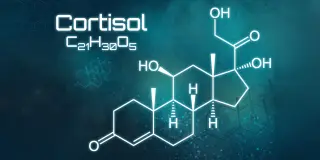
A year-long randomized trial found that adults who achieve 150 minutes per week of moderate-to-vigorous aerobic exercise experience a significant drop in long-term cortisol, indicating a lowered baseline stress level; in addition to reduced stress hormone, the exercise group showed slower brain aging and improved biological resilience against depression, anxiety, and heart disease, providing causal evidence that regular cardio benefits stress biology beyond immediate mood effects.

Hydration Alone Falls Short in Stopping Kidney Stone Recurrence
health2 months ago

Hydration Alone Falls Short in Stopping Kidney Stone Recurrence

A large Lancet-published trial found that a behavioral hydration program—using Bluetooth water bottles, personalized fluid goals, financial incentives, reminders, and health coaching—increased fluid intake and urine output but did not reduce symptomatic kidney stone recurrence over two years. Enrolling 1,658 participants across six U.S. centers, the study highlights the challenge of maintaining very high hydration and suggests that prevention will require more personalized hydration targets, strategies to overcome real‑world barriers, and possibly additional therapies to keep minerals dissolved in urine.

Vitamin D Fails to Ease COVID, but May Lower Long COVID Risk in Adherent Users
health-and-medicine2 months ago

Vitamin D Fails to Ease COVID, but May Lower Long COVID Risk in Adherent Users

In the VIVID randomized trial, Mass General Brigham researchers found that high-dose vitamin D3 did not reduce COVID-19 severity, hospitalizations, or transmission. However, among participants who consistently followed the supplementation regimen, there was a borderline-significant hint that long COVID symptoms eight weeks after infection were less common (21% vs 25% in the placebo group), meriting further study. The trial enrolled 1,747 COVID-positive adults and 277 household contacts across the U.S. and Mongolia, using a regimen of 9,600 IU/day for two days then 3,200 IU/day for four weeks, starting about three days after a positive test. The study, published in The Journal of Nutrition, emphasizes no clear acute benefits but suggests a potential long-COVID effect in adherent users.

Vitamin D High Doses Do Not Cut Acute COVID Risk, But May Hint at Long COVID Benefit
health2 months ago

Vitamin D High Doses Do Not Cut Acute COVID Risk, But May Hint at Long COVID Benefit

A large randomized trial (VIVID) found that high-dose vitamin D3 did not reduce short-term COVID-19 severity, hospitalizations, or transmission. However, among participants who consistently took the supplement, there was a borderline-significant reduction in long COVID symptoms at eight weeks (21% vs 25%), suggesting a possible benefit that warrants further study.

Daily Multivitamin Slows Biological Aging Clock by Four Months in Seniors
health2 months ago

Daily Multivitamin Slows Biological Aging Clock by Four Months in Seniors

A large two-year randomized trial found that older adults taking a daily multivitamin slowed their biological aging clocks (GrimAge and PhenoAge) by about four months vs. placebo. The effect is small and its health implications are not yet clear, suggesting nutrients may help those with dietary gaps, but more research is needed before altering supplement habits.

Small DMT Trial Signals Potential Depression Treatment
health3 months ago

Small DMT Trial Signals Potential Depression Treatment

A small UK Phase IIa randomized, placebo-controlled trial found that a single dose of DMT with psychotherapy significantly reduced depressive symptoms for up to three months (some participants up to six); 47% reached remission at three months. DMT appeared safe and well tolerated, but the study's small size means larger, longer trials are needed before it could become a standard depression treatment.

Speed Training May Cut Dementia Risk by 25%, Study Says—But Caution Emphasized
health3 months ago

Speed Training May Cut Dementia Risk by 25%, Study Says—But Caution Emphasized

A large randomized trial of over 2,800 seniors found that a speed-based brain-training program, delivered in under 24 hours total, was associated with a 25% lower risk of developing dementia over 20 years based on Medicare records, while two other training types showed no significant effect; researchers call it a gold-standard study but note wide margins of error and several limitations that limit generalizability, signaling the need for further research.

High-Dose Oats Over 2 Days Cut LDL by 10%, Study Finds
health3 months ago

High-Dose Oats Over 2 Days Cut LDL by 10%, Study Finds

Two parallel randomized trials found that a two-day oatmeal-only diet lowered LDL and total cholesterol by about 10% with effects lasting six weeks, while six weeks of replacing one daily meal with oats did not change cholesterol. The benefit is linked to rapid gut microbiome shifts and oat phenolics from a high-dose oat exposure, suggesting short, intensive oat interventions may aid cholesterol management but are not a substitute for an overall heart-healthy diet.