Tag

Single Cell Rna Sequencing

All articles tagged with #single cell rna sequencing

Malva: a Google-like RNA search across millions of cells in seconds
health5 days ago

Malva: a Google-like RNA search across millions of cells in seconds

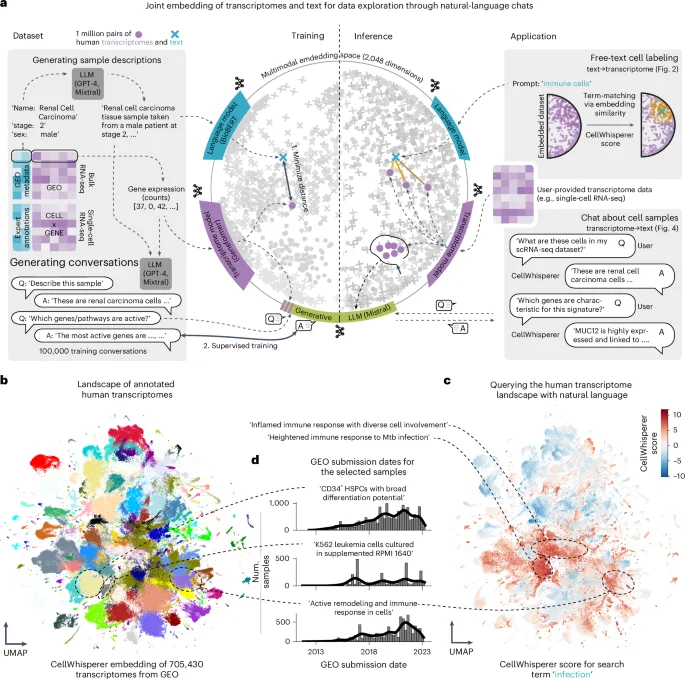
Malva is a Google‑like RNA search engine that indexes over 140 TB of public single‑cell and spatial transcriptomics data, enabling rapid, sequence‑based queries across millions of cells without downloading raw data or using a reference genome; it can reveal mutations, RNA isoforms, pathogens and more in seconds to minutes, potentially accelerating cancer and infection research, though it currently requires exact 24‑nucleotide matches and ongoing validation.

Microenvironment steers human kidney cell fate: insights from spatial single-cell mapping
science1 month ago

Microenvironment steers human kidney cell fate: insights from spatial single-cell mapping

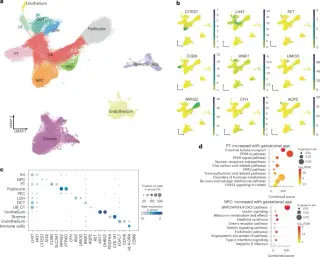
A spatially resolved atlas combining single-cell RNA sequencing and spatial transcriptomics across fetal human kidneys (over 700k cells) shows that local microenvironments guide nephron cell fate, with an early but plastic decision between renal corpuscle and tubular lineages and evidence that some proximal-tubule–like cells can convert to PECs. The study links tissue location and signaling to fate decisions, identifying IGF2 as a locally acting cue promoting NPC renewal and early nephron differentiation, validated by mouse explant experiments and human organoid assays, and proposes a microenvironment-aware revision of nephrogenesis.

Single-cell atlas maps Crohn’s disease drivers in ileal tissue
science2 months ago

Single-cell atlas maps Crohn’s disease drivers in ileal tissue

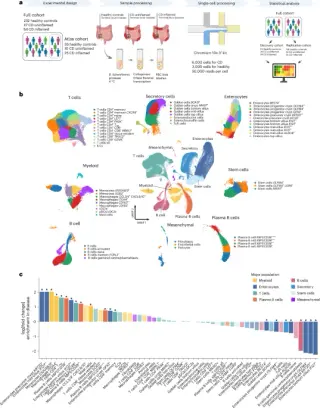
Researchers generated IBDverse, a 1.1‑million‑cell scRNA‑seq atlas of terminal ileal biopsies from 111 Crohn’s disease patients and 232 controls, using discovery and replication cohorts to identify robust cell-type signatures. They map 57 cell clusters across epithelial, immune and mesenchymal compartments, find IFN‑driven MHC‑I upregulation in epithelial cells (persisting in progenitors after inflammation resolves), and identify ITGA4+ macrophages as key inflammatory drivers with enriched JAK–STAT signaling and IL‑6/IL‑12/IL‑23 production. Heritability analyses link inflammatory monocytes and macrophages to CD risk, outlining a cellular–molecular framework with therapeutic implications; data and code are publicly available.

Genetic Maps Reveal Why Two MS Models Aren’t Interchangeable
science3 months ago

Genetic Maps Reveal Why Two MS Models Aren’t Interchangeable

A Notre Dame team directly compares the CPZ and LPC MS demyelination models using single-cell RNA sequencing and human tissue, showing distinct genetic and cellular footprints and revealing that CPZ better models oligodendrocyte stress/repair while LPC captures immune responses; by matching model lesions to human MS data, the study provides a roadmap for choosing the right preclinical model to pursue remyelination therapies rather than only immune suppression.

Brain Cysts Reveal Hidden Diversity in Toxoplasma’s Life Cycle
science7 months ago

Brain Cysts Reveal Hidden Diversity in Toxoplasma’s Life Cycle

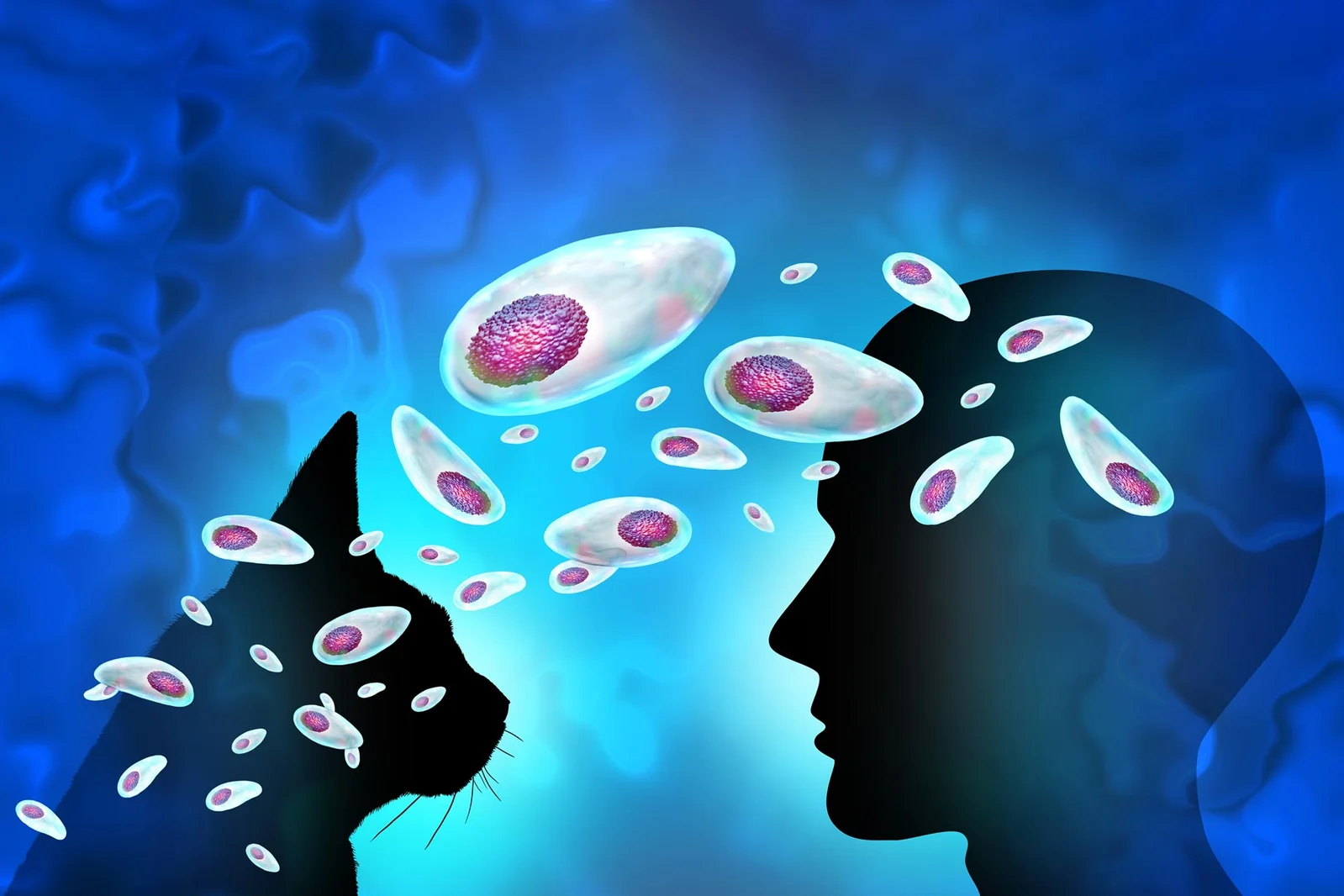
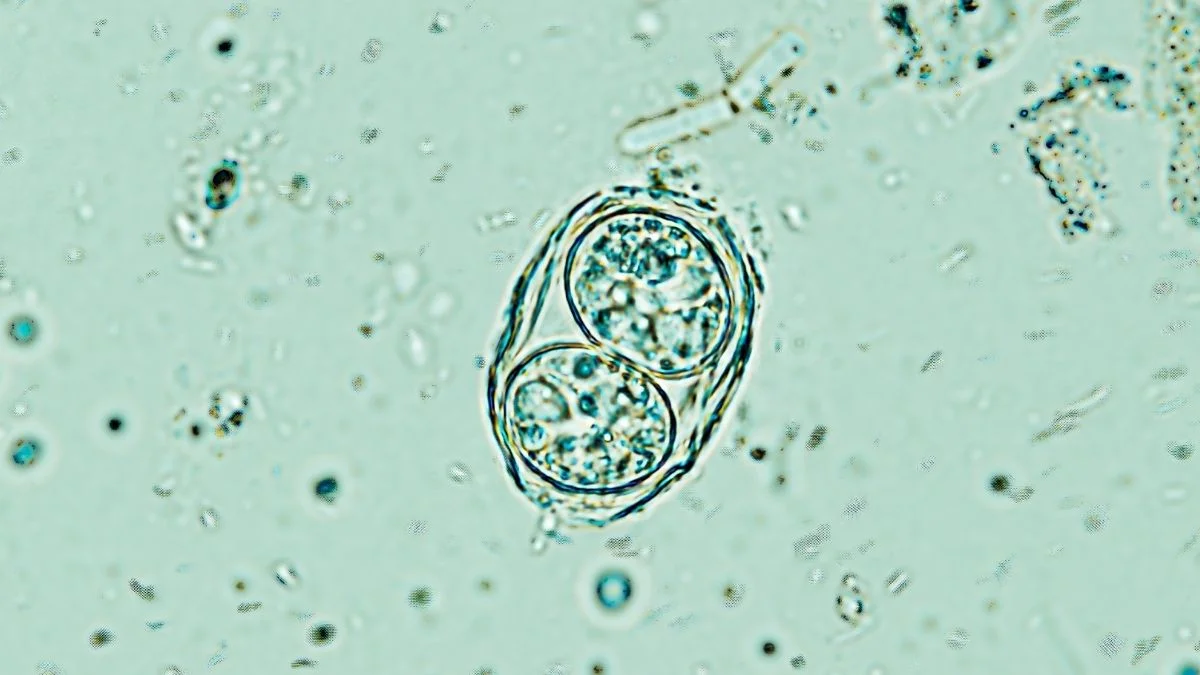
Using single-cell RNA sequencing on cysts from mice, researchers found that brain cysts of Toxoplasma gondii contain multiple bradyzoite subtypes rather than a single dormant form. These subtypes support survival, spread, or reactivation, explaining why current drugs can’t eradicate cysts and suggesting new therapy targets; the finding reshapes the parasite’s life cycle and underscores congenital toxoplasmosis risk worldwide.

Daily Kimchi Powder May Fine-Tune Immunity, Study Finds
health7 months ago

Daily Kimchi Powder May Fine-Tune Immunity, Study Finds

A 12-week trial led by Dr. Wooje Lee at the World Institute of Kimchi found that daily kimchi powder can subtly tune the immune system, boosting antigen presentation and regulated CD4+ T-cell activation without causing broad immune stimulation. Effects were observed in overweight adults using single-cell RNA sequencing, with fermentation method (traditional vs. starter-culture Leuconostoc mesenteroides) influencing strength of signals. B cells and cytotoxic T cells were largely unchanged, and illness outcomes were not measured. Further international research is planned.

Neutrophil Compartment Structure
biology9 months ago

Neutrophil Compartment Structure

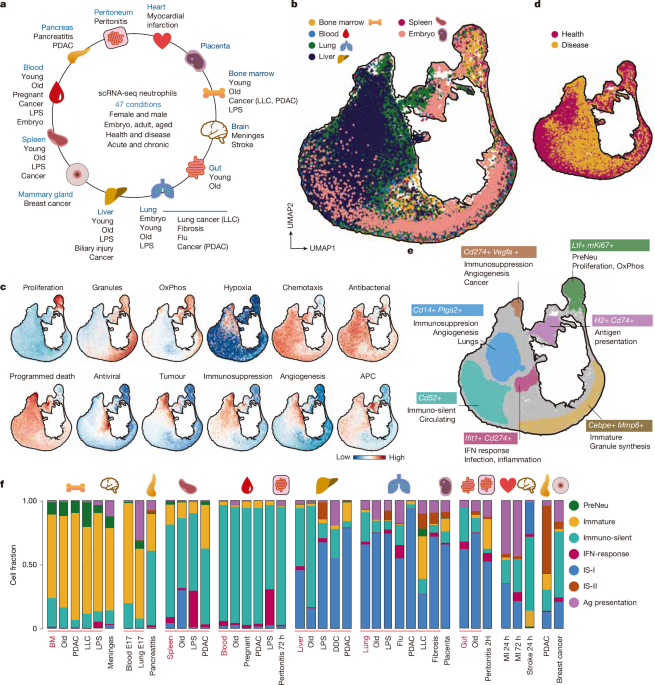
The article presents NeuMap, a comprehensive transcriptional map of neutrophil diversity across tissues, developmental stages, and disease conditions in mice and humans, revealing a limited set of conserved functional states or hubs that are dynamically regulated by signals and transcription factors, with implications for understanding neutrophil roles in health and disease.

"AI Tool Predicts Personalized Cancer Therapy Outcomes from Single-Cell Data"
healthtech2 years ago

"AI Tool Predicts Personalized Cancer Therapy Outcomes from Single-Cell Data"

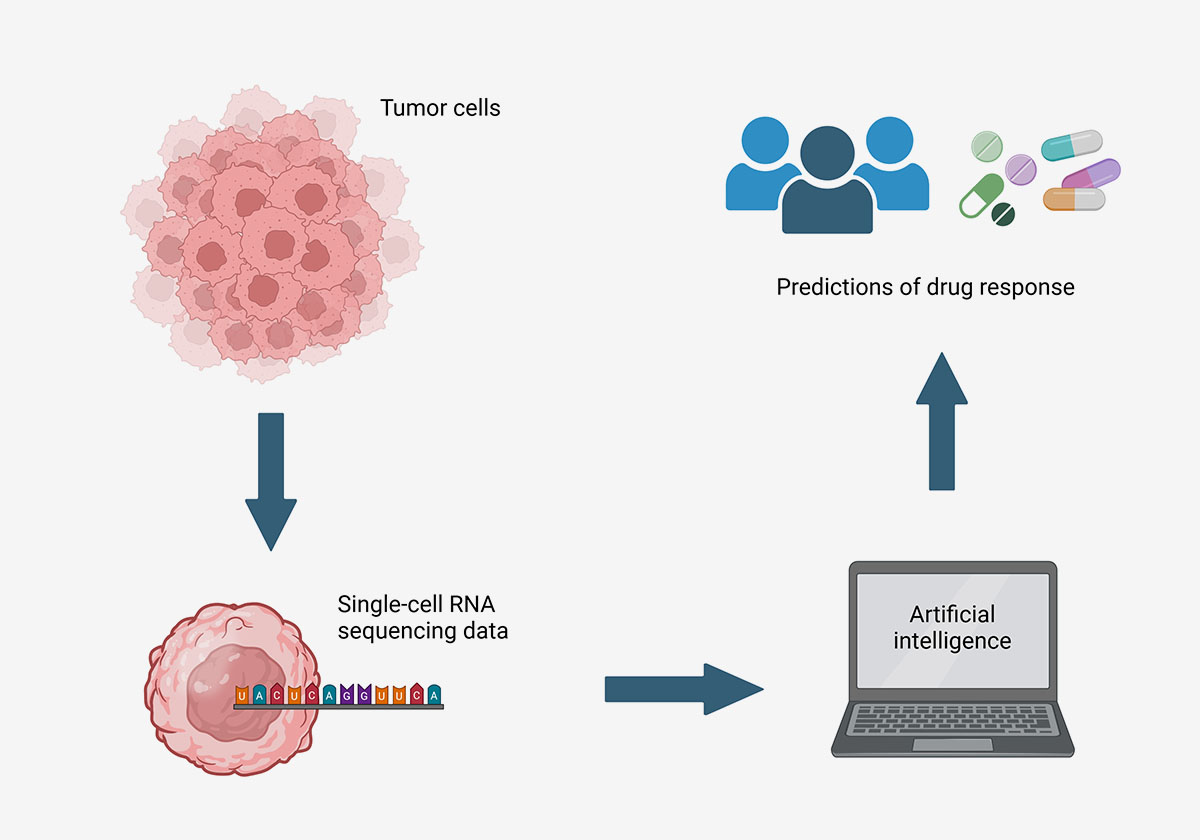
Researchers at the National Institutes of Health (NIH) have developed an AI tool that uses single-cell RNA sequencing data to predict whether a person’s cancer will respond to a specific drug, potentially leading to more precise matching of cancer patients with effective drugs. The tool, called Personalized Single-Cell Expression-based Planning for Treatments In Oncology (PERCEPTION), was able to accurately predict drug responses at the individual cell level and identify resistance to certain drugs in cancer patients. The researchers believe that this approach could lead to more lasting drug responses, but caution that its accuracy will improve as single-cell RNA sequencing data become more widely available.

"Mapping Lung Adenocarcinoma Cell States and Plasticity"
medical-research2 years ago

"Mapping Lung Adenocarcinoma Cell States and Plasticity"

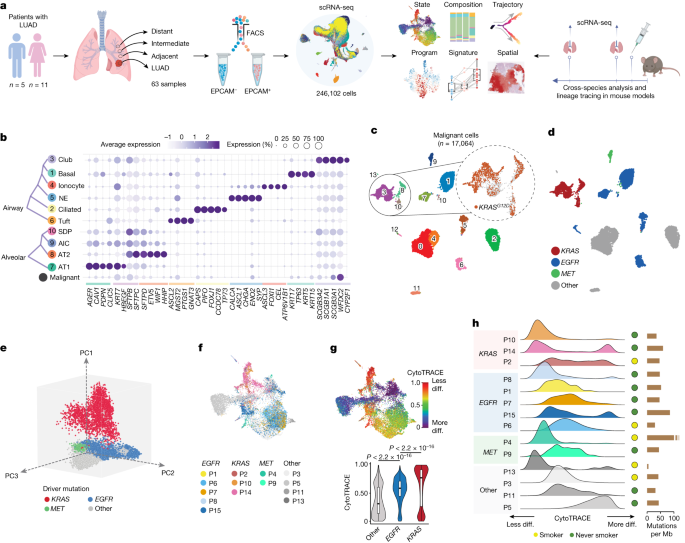
A study on lung adenocarcinoma (LUAD) reveals the transcriptional landscape of epithelial and malignant cells, identifying distinct cell subsets and their roles in LUAD development. The research shows that KRAS mutant LUADs exhibit unique transcriptional programs and extensive heterogeneity, while a subset of alveolar intermediate cells (AICs) transition to malignant cells, particularly KRAS mutant cells. These AICs, termed KRT8-high alveolar cells (KACs), are enriched in tumour-adjacent normal regions and display features of reactive epithelial cells. The study provides insights into the cellular and transcriptional phenotypes of LUAD, potentially identifying actionable targets for early treatment strategies.