UK researchers report that flavors from a mother's diet during pregnancy can create lasting taste memory in children, reducing negative reactions to the exposed vegetables (e.g., carrot vs kale) by age three, suggesting prenatal flavor exposure may influence later vegetable acceptance, though the study is small and exploratory and not yet conclusive.
A USC study of 187 lung cancer patients under 50, most non-smokers, found those with higher intake of fruits, vegetables and whole grains had higher HEI scores and a surprising association with early-onset lung cancer. Researchers suspect long-term pesticide exposure from produce may contribute, but more research is needed. Produce remains healthful, and steps to reduce pesticide residues include washing, peeling or trimming produce, though the study did not measure pesticide levels directly.
Reddit users argue that 11 common vegetables—cucumbers, tomatoes, mushrooms, lettuce, onions, carrots, asparagus, Brussels sprouts, potatoes, avocados, and celery—are best bought fresh because freezing often dulls texture and flavor for raw uses. The piece notes freezing caveats and occasional workarounds: cucumbers can be sugar-brined to retain some crispness, tomatoes freeze best for sauces, mushrooms become watery, lettuce freezes poorly, onions can become mushy, asparagus loses snap, Brussels sprouts may turn mushy when frozen, potatoes should be cooked or blanched before freezing, avocados don’t freeze well unless diced with lemon juice for guac or smoothies, and celery loses its crunch though it can be used in frozen mirepoix or prepped in blocks. Overall, freezing is useful mainly for cooked-down dishes or prepped bases, while fresh is preferred for peak flavor and texture.
A USC Norris Comprehensive Cancer Center study of Americans under 50 who don’t smoke found higher lung cancer rates among those with a diet rich in fruits and vegetables, with pesticide exposure suspected as a possible factor; researchers caution that further confirmation is needed.
A large study of tens of thousands finds that adding about five minutes of sleep, two minutes of exercise, and roughly half a serving of vegetables to daily routines could add a year or more to lifespan.
A UK study of more than 53,000 middle-aged adults shows that tiny lifestyle changes - adding 4.5 minutes of brisk walking, 11 extra minutes of sleep per night, and an extra quarter cup of vegetables - can substantially lower cardiovascular events; when combined, these changes reduce the risk of heart attack and stroke by about 57% over eight years, with eight to nine hours of sleep, at least 42 minutes daily of moderate-to-vigorous activity, and a healthy diet forming the optimal mix.
A Danish–Australian study followed about 55,000 adults for nearly 27 years and found higher nitrate intake from tap water and processed meats is associated with increased dementia risk, while nitrate from vegetables is linked to a ~10% lower risk. Antioxidants in vegetables may boost beneficial nitric oxide formation and block harmful N-nitrosamines, explaining the opposite effects. The research highlights a first-ever link between drinking-water nitrates and dementia, notes EU groundwater limits of 50 mg/L, and cites UK dementia figures around 900,000 and rising toward 1.4 million by 2040.
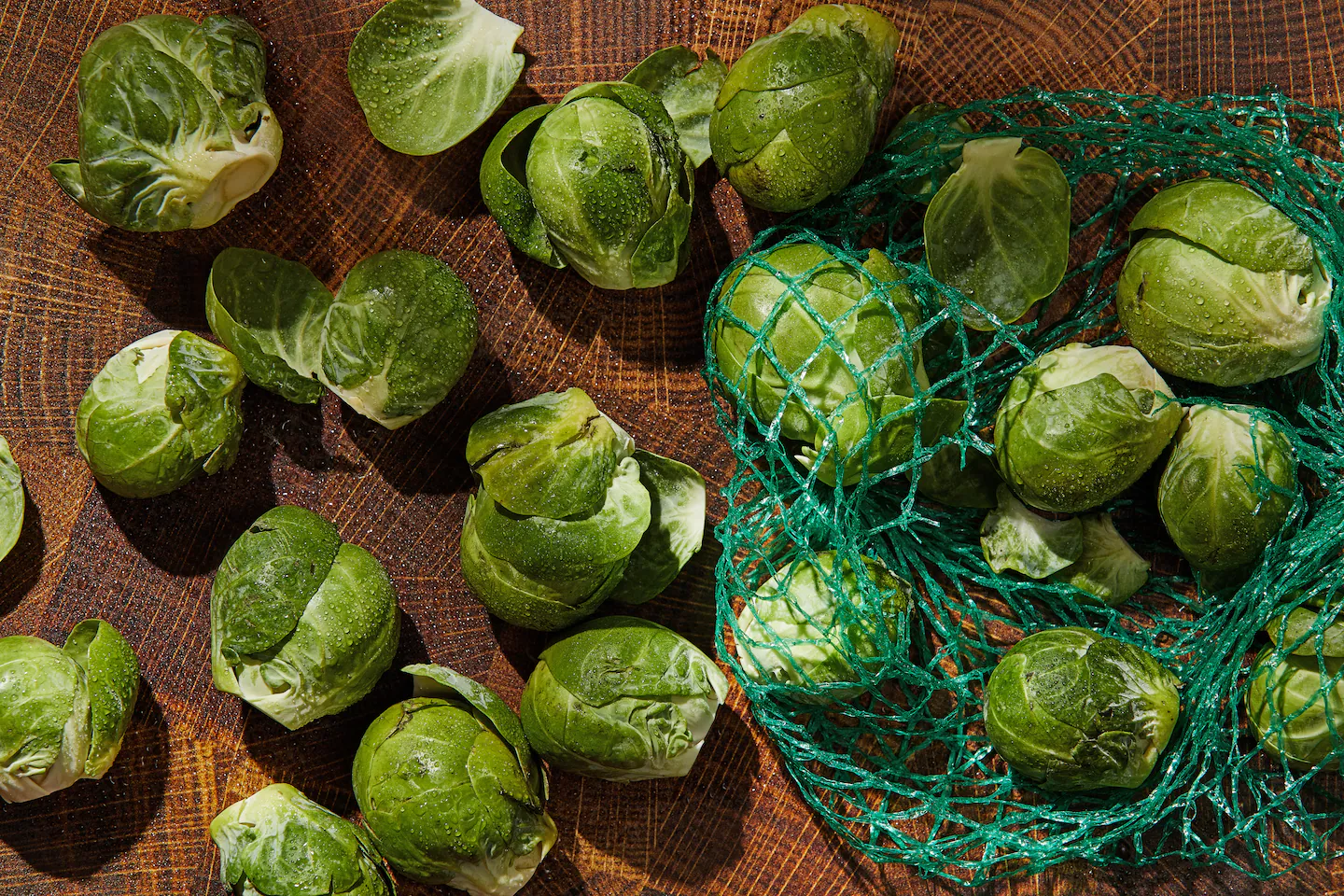
Brussels sprouts, once considered unappealing when overcooked, have become popular due to breeding efforts that reduced bitterness, making them a versatile and widely enjoyed vegetable today.
The article highlights the health benefits of the Mediterranean diet, emphasizing recipes like rosemary shrimp over polenta, lemon baked cod with pistachios, roasted Brussels sprouts, Mediterranean cornbread, and asparagus frittata, which promote longevity, mental health, and disease prevention through simple, flavorful, and nutritious ingredients.
The article offers five practical tips for starting the new year healthily, including eating more colorful vegetables, incorporating plant-based proteins like tofu, reducing sugar and saturated fats, increasing fiber intake, and staying hydrated, with easy recipes to help implement these habits.
Incorporating vegetables like spinach, broccoli, bell peppers, green beans, and cauliflower into your diet can help manage blood sugar levels and support diabetes control due to their high fiber content, low glycemic index, and rich nutrient profile.
Eating certain vegetables, staying hydrated, exercising, and avoiding high-purine foods can help lower uric acid levels over a month when combined with proper medication and lifestyle changes.
Chef Roy Choi shares three culinary tricks—prepping vegetables in advance, making homemade sauces, and using MSG—to encourage eating more veggies and enhance flavor in healthy meals, along with recipes for three flavorful sauces.
A UC Irvine study highlights five vegetables—onions, garlic, artichokes, dandelion roots, and asparagus—that are rich in inulin fiber, which protects the body from sugar damage by promoting beneficial gut bacteria that metabolize fructose early, potentially reversing fatty liver and improving metabolic health.
Poor gut habits such as consuming processed foods, excessive sugar, insufficient vegetables, late-night snacking, and overusing antibiotics can significantly harm gut health, leading to inflammation, digestive issues, and broader health problems. Improving diet by eating whole foods, fiber-rich vegetables, and using antibiotics responsibly can help maintain a healthy gut microbiome.