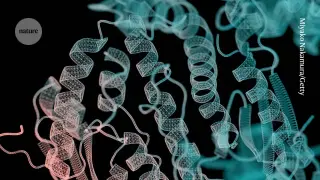
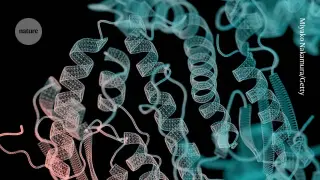
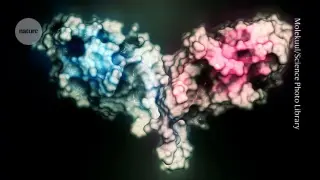
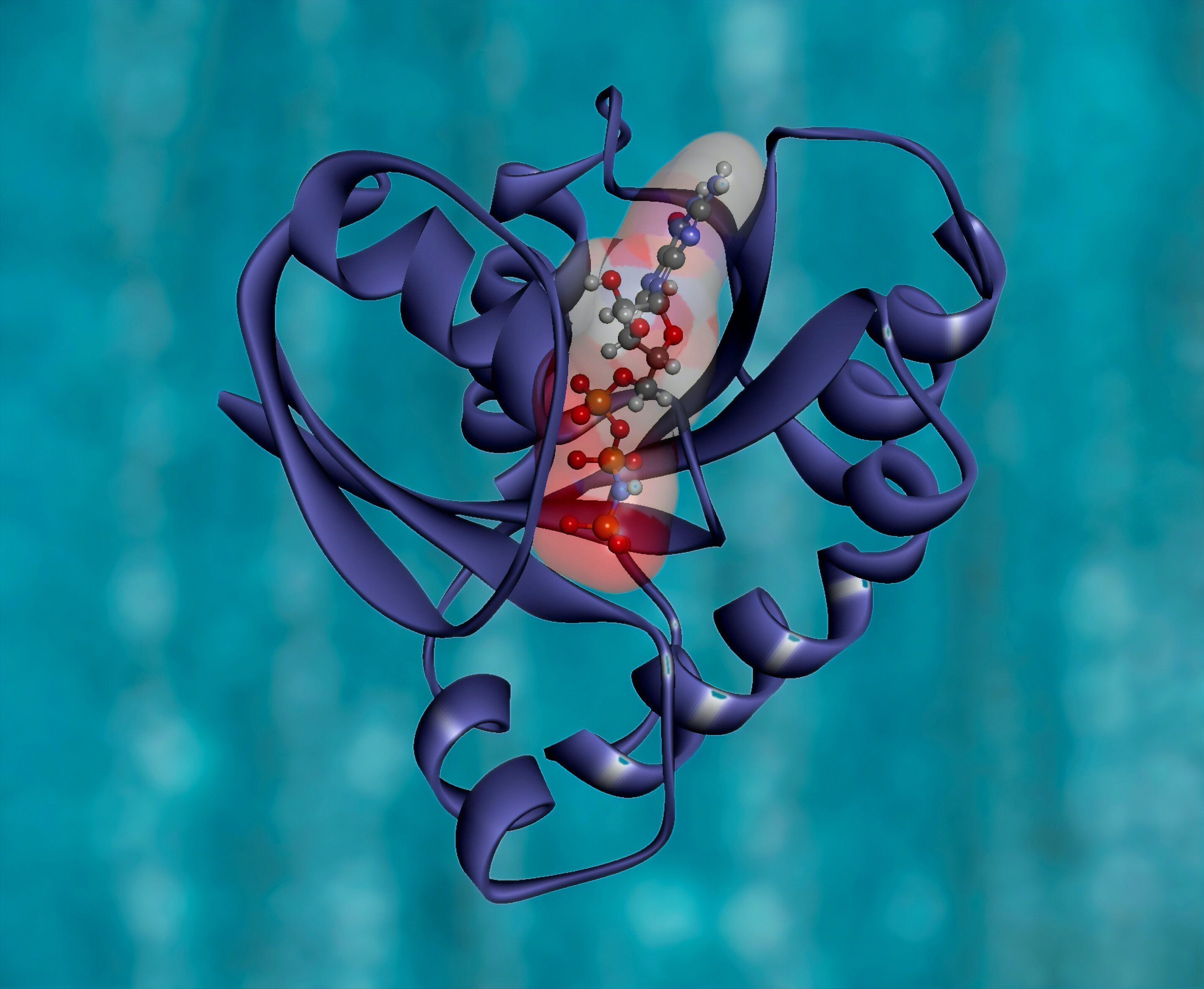
A consortium of pharmaceutical companies has demonstrated that training AI models on proprietary protein data significantly outperforms models relying solely on public databases. The study, which used the open-source OpenFold3 system, highlights the value of shared private data for drug discovery.
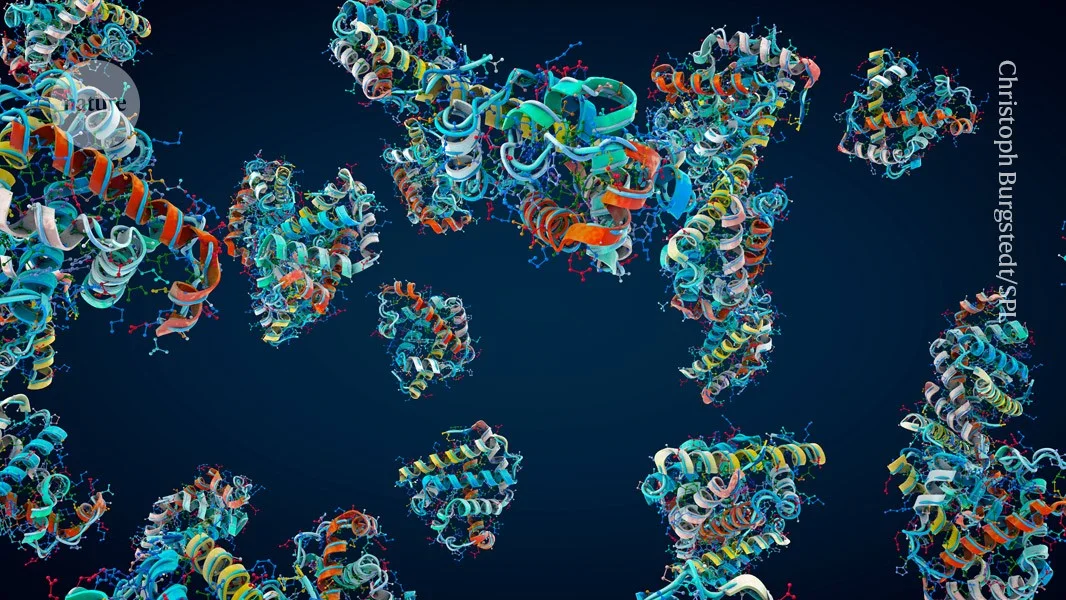
A consortium of pharmaceutical companies demonstrated that training AI models on proprietary protein data significantly outperforms models using only public datasets. By fine-tuning an open-source version of AlphaFold 3 on over 20,000 private structures, the group achieved higher accuracy in predicting protein-drug interactions. While the results are promising, the model remains private and unpeer-reviewed, highlighting the gap between public data limitations and private industry capabilities.
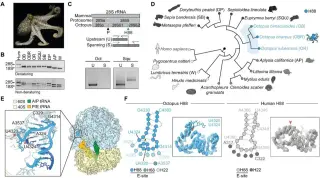
Researchers propose that octopuses may have boosted their nervous system complexity through a unique H88 break in ribosomal RNA that increases the accuracy of protein synthesis, reducing misfolded proteins in long-lived neurons; experiments even implementing a similar ribosomal change in E. coli support the idea that this tweak enhances protein folding, highlighting a convergent evolutionary path to smarter brains driven by challenging environments.
An open-access atlas called the ESM Atlas, generated with the ESMFold2 AI model, predicts about 1.1 billion protein structures and 6.8 billion sequences, outperforming AlphaFold in scale and openness and enabling new biology discoveries through a freely available resource.
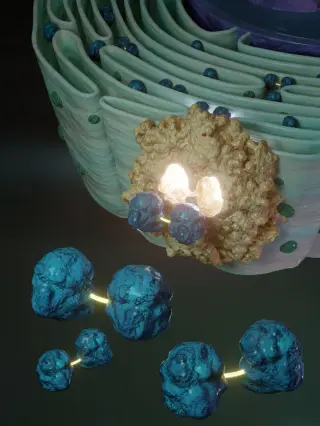
Rockefeller University researchers identify SLC33A1 as the transporter that exports oxidized glutathione (GSSG) into the endoplasmic reticulum to sustain an oxidized environment essential for correct protein folding; disruptions can cause protein misfolding linked to neurodegeneration and cancer, and inhibiting SLC33A1 could offer new therapeutic avenues.
Scientists directly measured the transition-path time—the brief moment a protein begins folding—for eight ordinary proteins by boosting single-molecule fluorescence with dye-labeled ends and nanoscale wells. The results show folding can occur in under a microsecond, with no clear link between a protein’s sequence or size and folding speed, suggesting proteins fold more efficiently than DNA.
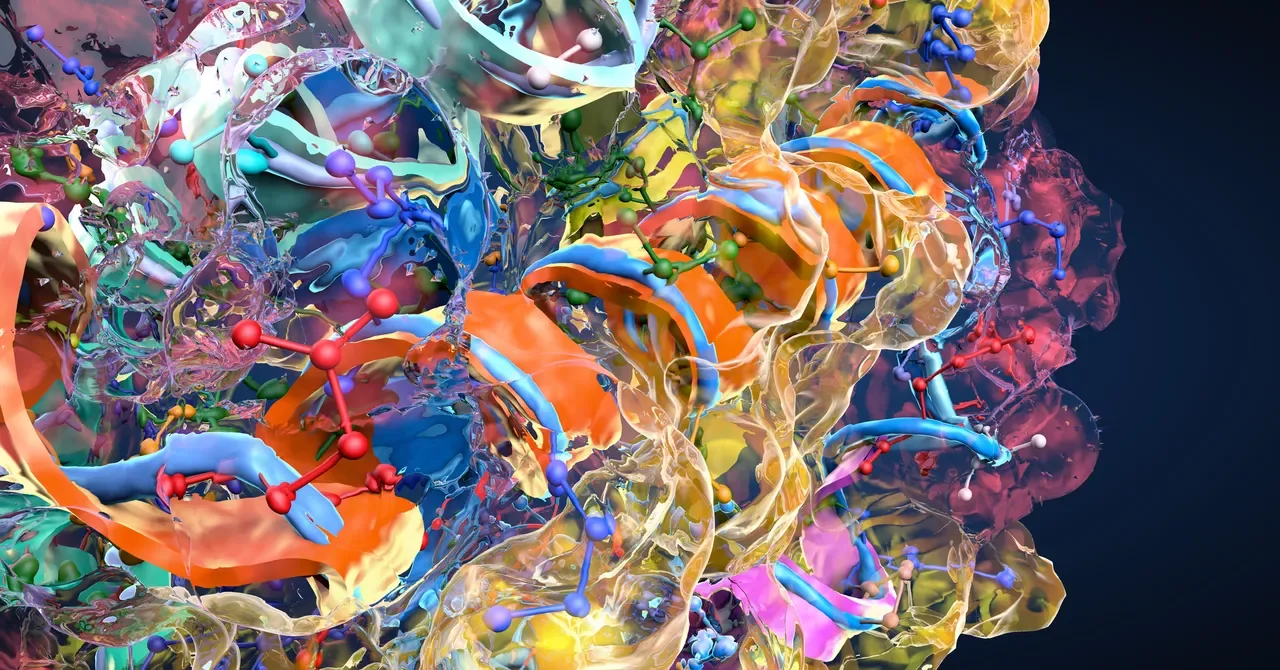
AlphaFold, developed by DeepMind, has revolutionized biology by accurately predicting protein structures, earning a Nobel Prize and expanding into DNA, RNA, and drug interactions, with ongoing advancements aimed at understanding cellular systems and improving medicine.
Scientists at King's College London have created the world's hottest microengine, operating at temperatures hotter than the sun's core, which could revolutionize our understanding of thermodynamics and aid in developing treatments for diseases by improving knowledge of protein folding.
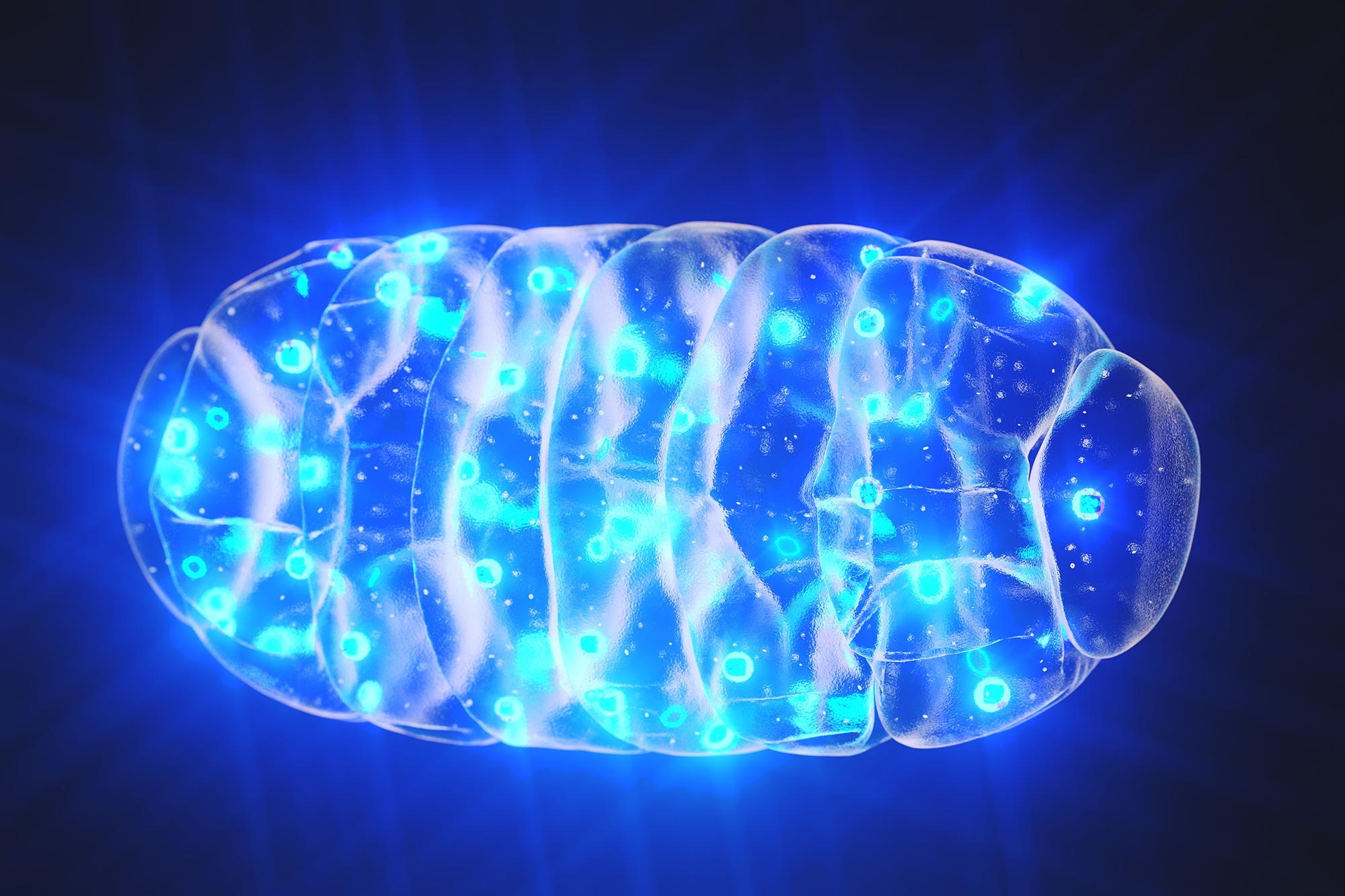
Caltech researchers have discovered that nearly 20% of mitochondrial proteins are imported during their synthesis, guided by folding patterns and structural signals, overturning the traditional model that proteins are imported only after translation is complete.
AI is significantly advancing scientific research by enabling breakthroughs in protein structure prediction, brain mapping, materials science, climate forecasting, and fundamental physics, while also paving the way for autonomous laboratories and AI-driven hypothesis generation, despite some challenges in interpretability and understanding.
Researchers used a 36-qubit trapped-ion quantum computer with a specialized algorithm to solve complex protein folding problems involving up to 12 amino acids, marking a significant milestone in quantum biology and optimization, and demonstrating the platform's potential for tackling computationally hard problems beyond classical capabilities.
Demis Hassabis and James Manyika discuss the transformative potential of AI in advancing scientific discovery, highlighting DeepMind's achievements like AlphaFold, which solved the protein folding problem and accelerated research across various fields. They emphasize the importance of responsible AI development, collaboration with diverse stakeholders, and the potential for AI to unlock new scientific insights and address global challenges.
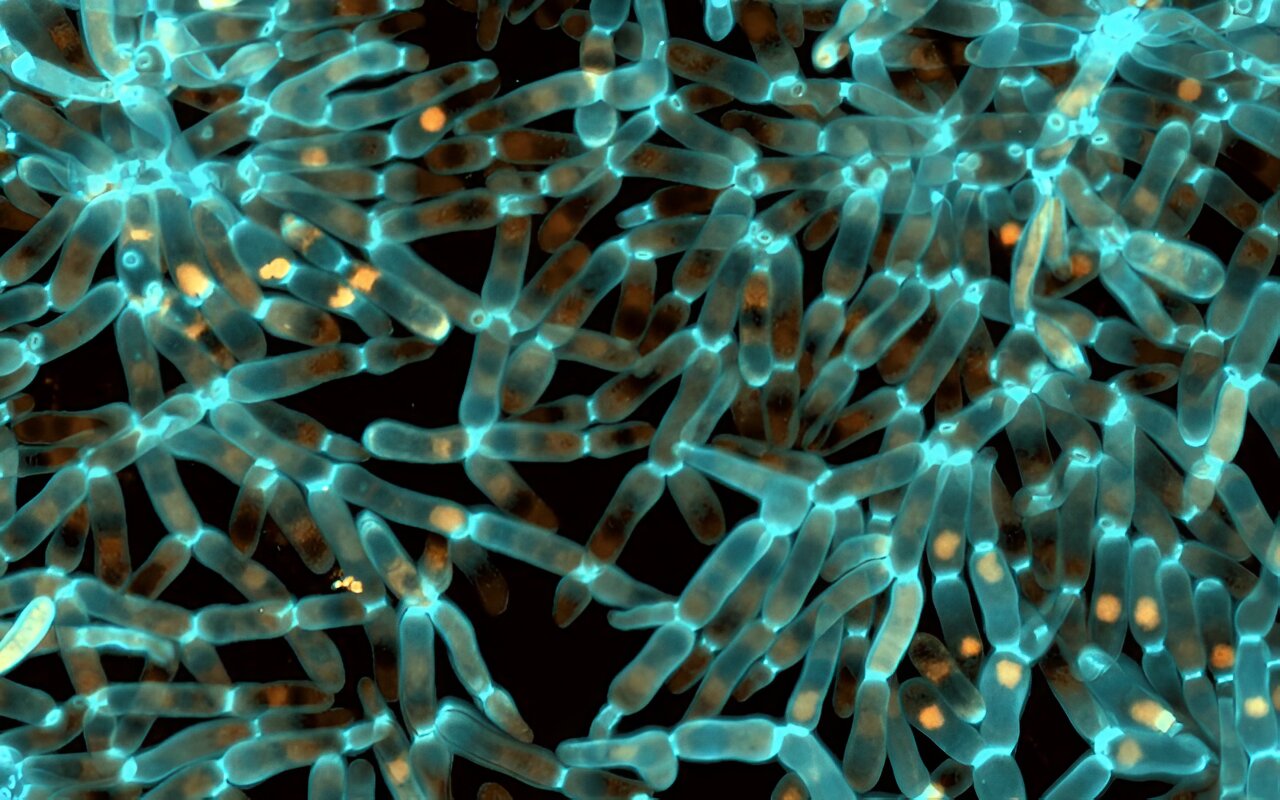
A new study led by researchers from the University of Helsinki and the Georgia Institute of Technology has discovered a mechanism driving the evolution of multicellular life, highlighting the role of altered protein folding. Through experimental evolution with laboratory yeast, the study found that changes in protein folding, particularly the expression of the chaperone protein Hsp90, played a crucial role in the evolution of novel multicellular traits, such as the development of robust bodies in snowflake yeast. This research emphasizes the significance of non-genetic mechanisms in driving rapid evolutionary change and provides insights into the complex nature of evolutionary adaptations.
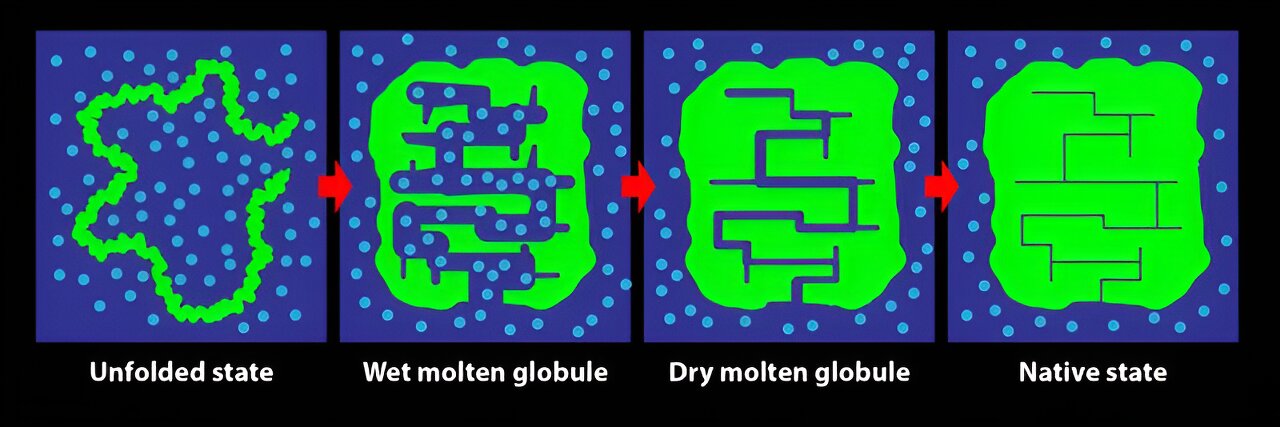
Scientists have discovered a new, intermediate state in the process of protein folding, showing that folding can occur in two stages, one fast and the next much slower. This newly observed dry molten globule state, occurring over a period of 3–10 milliseconds, was found to be a crucial step in the protein folding process. The discovery provides insight into the structural evolution of proteins and may have implications for understanding diseases related to protein misfolding.
Researchers from the University of Massachusetts Amherst have uncovered the carbohydrate-based code that governs the folding of certain proteins, offering potential therapeutic avenues for diseases caused by protein misfolding. Using innovative techniques such as glycoproteomics, the team investigated the role of carbohydrates attached to proteins called serpins in ensuring correct folding. Understanding this glyco-code could lead to targeted drug therapies for diseases like emphysema, cystic fibrosis, and Alzheimer's. The discovery of the carbohydrate-based chaperone system in the endoplasmic reticulum (ER) sheds light on how chaperones identify correctly folded proteins. The enzyme UGGT tags misfolded proteins with specific sugars, allowing chaperones to recognize and correct folding errors. This research opens doors for understanding and treating diseases resulting from misfolded proteins.